
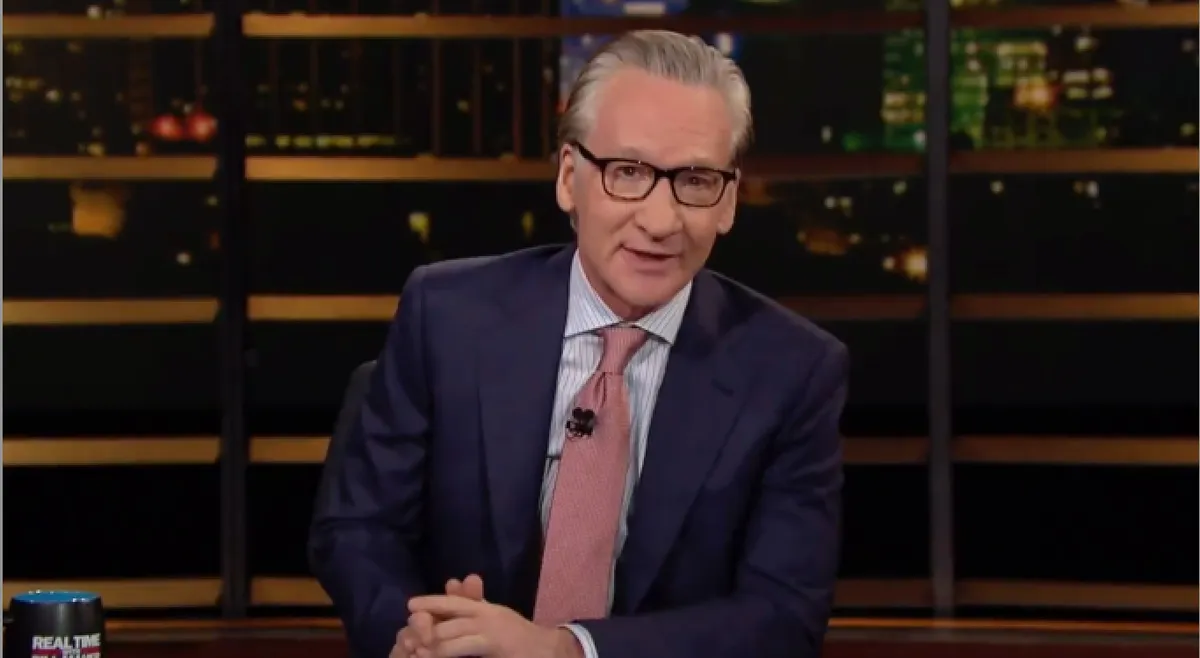
In a recent flare-up of their ongoing rivalry, Donald Trump has labeled Bill Maher a ‘MORON’ following Maher’s interview with Gavin Newsom. This confrontation comes as part of Trump’s broader media criticism, particularly targeting Fox News for showcasing Maher after the contentious discussion.
This feud isn’t new; it stretches back several years. Their tension intensified during a dinner at the White House in April 2025, where personal dynamics added fuel to their public disagreements. Trump has often criticized Maher, labeling him as ‘defenseless’ and ‘totally deficient’ in various contexts.
Trump didn’t hold back in his recent remarks. He specifically mentioned that Fox News should stop giving Maher airtime: “I hate seeing Fox, and other Conservative Outlets, constantly making Low Rated Bill Maher ‘relevant’ as it pertains to the Republican Party, and beyond,” he stated. Such comments reveal Trump’s ongoing disdain for Maher and his platform.
During the interview, Maher pressed Newsom on pressing issues facing California, including the state’s challenges that have led to significant population shifts. Trump seized on this moment to criticize both men. He referred to Newsom as ‘Newscum,’ emphasizing his belief that California is experiencing its worst year ever.
Observers note that Trump’s criticisms resonate within the context of the upcoming 2026 election. His focus on figures like Maher reflects broader strategies aimed at consolidating support among conservative voters who may be wary of mainstream media figures.
As for Bill Maher, he continues to be a prominent voice on HBO’s Real Time with Bill Maher. His ability to engage with political leaders like Newsom showcases his relevance in current political discourse—despite Trump’s claims to the contrary. Moreover, he’s set to receive the Mark Twain Prize from the Kennedy Center in June 2026.
This latest chapter in their feud illustrates how personal rivalries can influence public perceptions and media narratives. It’s not just about individual personalities; it’s about how these interactions shape larger conversations around politics and media.