
A recent hantavirus outbreak on the MV Hondius in the Atlantic Ocean has resulted in three deaths, with at least one other passenger currently in intensive care in South Africa. The World Health Organization confirmed these fatalities along with one verified case of hantavirus.
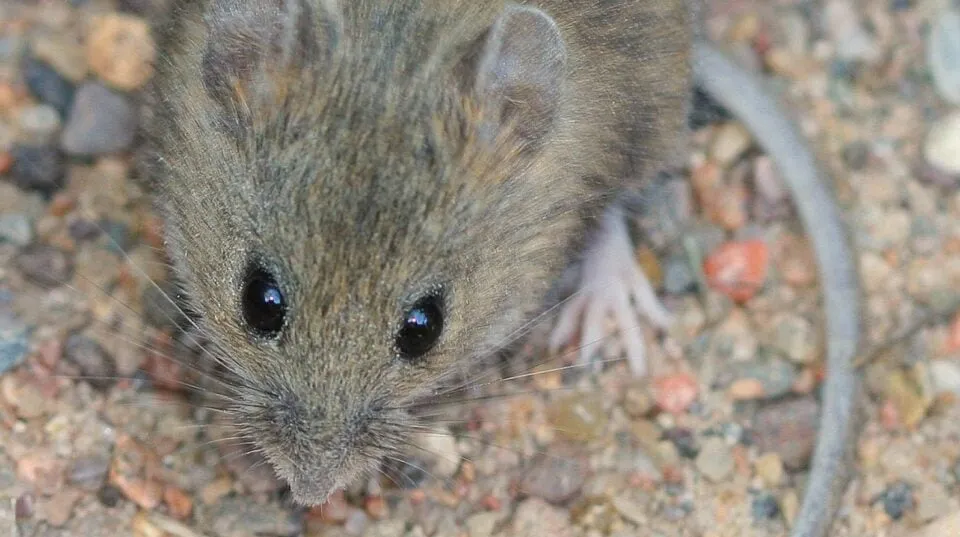
This situation is alarming for several reasons. Hantavirus is primarily transmitted through rodents, specifically via their urine and droppings. While it rarely spreads between humans, some isolated cases have been documented. This outbreak highlights a significant public health risk, particularly as there are an estimated 150,000 to 200,000 cases of hantavirus globally each year.
Key facts about hantavirus:
- Three individuals have died from the outbreak.
- One confirmed case has been reported.
- There are an estimated 150,000 to 200,000 global cases annually.
- The mortality rate for hantavirus pulmonary syndrome is approximately 38%.
The symptoms of hantavirus include fatigue, fever, muscle aches, and respiratory issues—signs that can easily be misdiagnosed as other infections. Dr. Yomani Sarathkumara noted that these infections are typically rare in humans and often misidentified in tropical regions.
As investigations unfold, the World Health Organization stated: “Detailed investigations are ongoing, including further laboratory testing and epidemiological investigations.” This indicates that officials are actively working to understand how the outbreak occurred and how to prevent further spread.
New world hantaviruses can lead to rapidly progressive pulmonary syndrome and respiratory failure. With no specific treatment available for hantavirus infections, prevention remains crucial. Understanding rodent transmission routes is key to mitigating risks associated with this disease.