
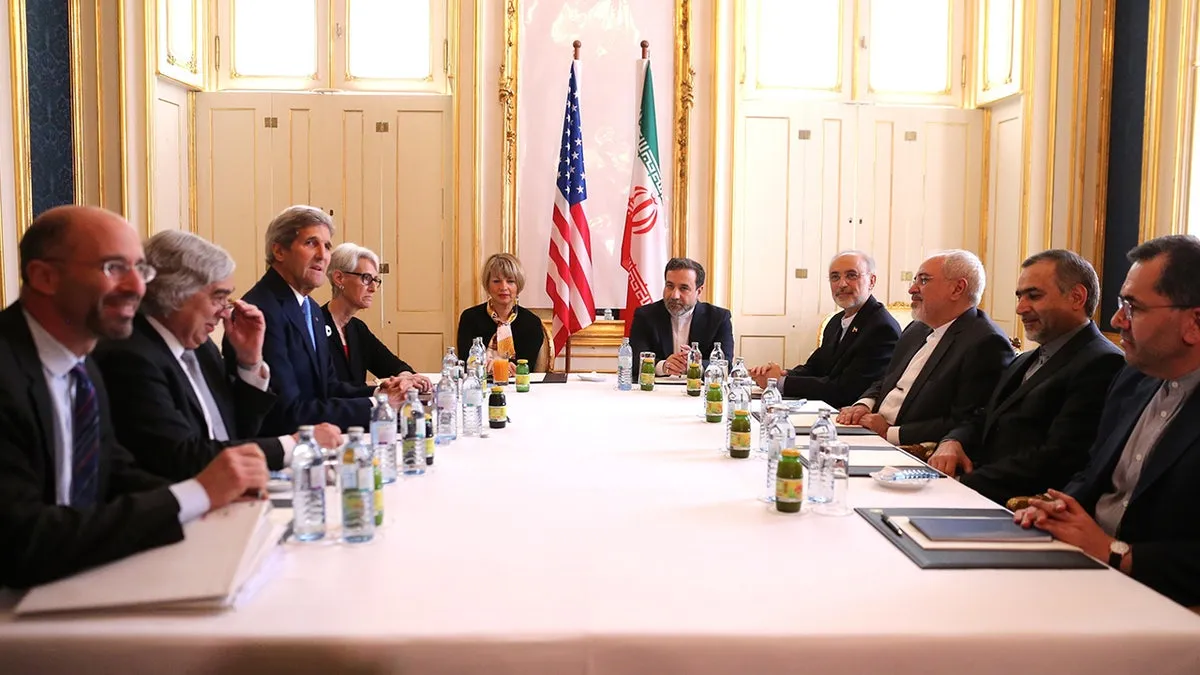
“I will soon be reviewing the plan that Iran has just sent to us, but can’t imagine that it would be acceptable in that they have not yet paid a big enough price for what they have done to Humanity, and the World, over the last 47 years,” said Donald Trump. This statement underscores the complexities surrounding Iran’s recent peace proposal.
Iran presented a 14-point peace proposal aimed at easing tensions with the United States. The proposal suggests a phased approach, offering a 30-day period to transition from a ceasefire into a complete end to hostilities. It also calls for lifting sanctions, ending blockades, and withdrawing U.S. military forces from the region. However, it notably excludes any commitments regarding Iran’s nuclear program.
That context matters because the backdrop of U.S.-Iran relations has been fraught with tension for decades. The U.S. has long demanded that Iran dismantle its nuclear infrastructure, which includes a stockpile of over 400 kg of highly enriched uranium. In response, Iranian officials have maintained that their proposal does not touch on nuclear issues; as Esmaeil Baghaei stated, “Iran’s proposal did not include any clause related to the nuclear issue.” This raises questions about whether both sides can find common ground.
The proposed framework aims to create a new control mechanism for the Strait of Hormuz, through which approximately 20 percent of the world’s oil and gas supplies flow. This is crucial for Middle East security and could potentially stabilize regional dynamics if successful.
However, Trump’s reservations highlight significant hurdles ahead. He believes that without substantial consequences for Iran’s past actions—actions that have contributed to ongoing instability—any agreement would be inadequate. The recent history of conflict between these nations complicates prospects for peace.
This situation is further complicated by Iran’s continued military activities in the Gulf region, where it has effectively blocked shipping routes for over two months now. The U.S., along with its allies like Israel, remain vigilant about these developments.
The next steps are uncertain. Although Iranian officials are optimistic about negotiations moving forward—suggesting that discussions around nuclear issues might be delayed to foster a more conducive atmosphere—no definitive timeline has been shared regarding U.S. responses or actions.
The geopolitical stakes are high; not only does this involve U.S.-Iran relations but also impacts broader Middle Eastern stability and global energy markets. As negotiations unfold, all eyes will be on how both parties navigate this intricate landscape.