
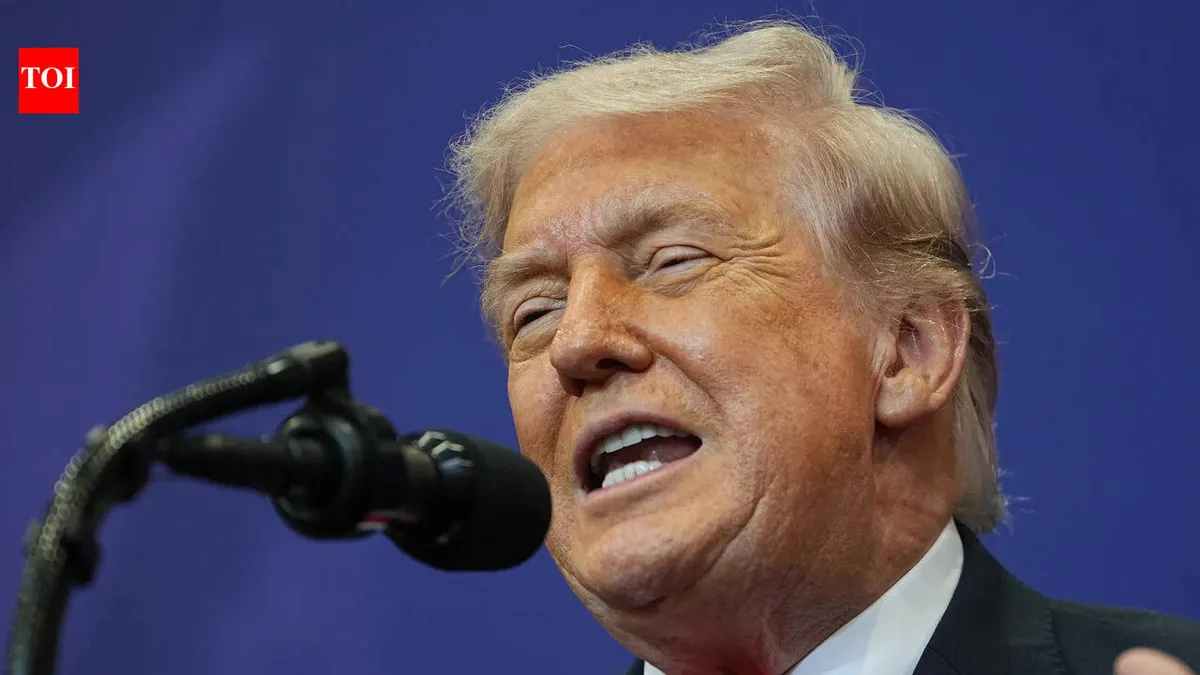
Amid escalating tensions in the Middle East, Donald Trump has unveiled ‘Project Freedom’, an initiative designed to assist commercial vessels navigating the strategically vital Strait of Hormuz. This move comes as multiple countries have requested U.S. support for their ships stranded due to increasing conflict in the region.
That context matters because the Strait of Hormuz is a critical shipping route, with about 20% of the world’s oil passing through it. Trump’s initiative aims to provide humanitarian assistance, as he described it, to those affected by these tensions. He stated, “For the good of Iran, the Middle East, and the United States, we have told these Countries that we will guide their Ships safely out of these restricted Waterways.” The process is set to commence on Monday morning, according to local time.
In an unexpected twist to this serious narrative, Senator Marco Rubio was recently seen DJing at a wedding—a moment that quickly went viral on social media. Critics have raised eyebrows at this light-hearted appearance amidst ongoing global tensions, questioning whether it’s appropriate for a public figure during such a critical time.
Rubio’s profile within MAGA circles has been on the rise, and his DJ gig might be seen as an attempt to connect with younger voters or simply showcase a more relatable side. His playful persona contrasts sharply with the gravity of international affairs currently unfolding.
As for Iran’s response, their Foreign Ministry spokesperson confirmed receipt of Washington’s response to its proposal for a ceasefire. Notably, Iran has suggested a shorter 30-day ceasefire compared to America’s two-month proposal. This exchange highlights the delicate balance of diplomacy and military readiness in a region fraught with conflict.
Trump’s ‘Project Freedom’ reflects broader U.S. interests in maintaining open shipping routes while also addressing humanitarian concerns—a dual approach that could influence future negotiations. Yet uncertainties linger; how effective this initiative will be in de-escalating tensions remains an open question.
As both diplomatic maneuvers and unexpected political appearances unfold, it’s clear that the situation is fluid. The next steps will be closely watched by international observers and stakeholders invested in Middle Eastern stability.