
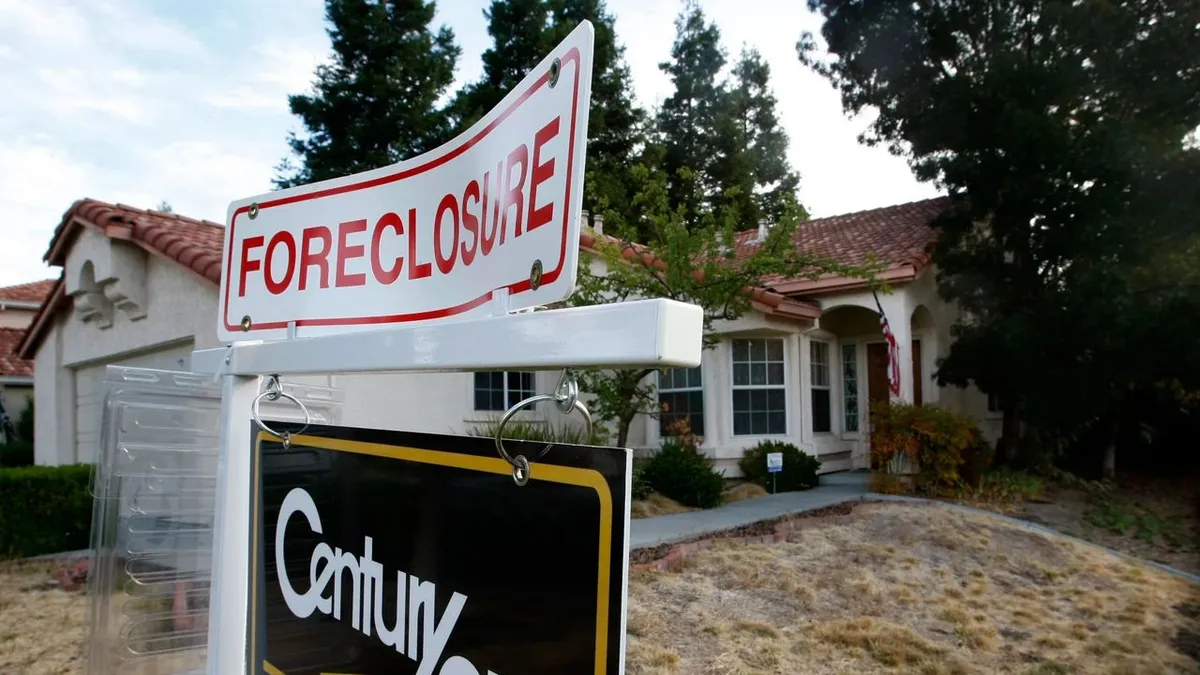
In South Carolina, foreclosure rates are rising, indicating a trend that experts believe warrants attention despite being below pre-pandemic levels. Currently, one in 743 houses in South Carolina has a foreclosure filing, making it the second-highest state for foreclosures in the U.S.
Understanding this situation requires a look back at the broader context of the housing market. Foreclosure rates remain significantly lower than during the 2008 housing crisis, but the increases are concerning. In Columbia, South Carolina, the situation is even more pronounced with one filing for every 440 housing units. This suggests a growing strain on homeowners who may be struggling to keep up with mortgage payments.
That context matters because it highlights how rising costs contribute to housing affordability issues. Experts like Adam Pretorius have noted that many typically consider regions like Iowa as stable for real estate. Yet Iowa’s foreclosure rate ranked 14th in the country, with one foreclosure for every 3,456 homes. This indicates that even traditionally stable markets are feeling pressure.
The counties in Iowa experiencing the highest rates of foreclosure include Van Buren, Palo Alto, and Fayette. These areas have seen an uptick over the last two years. Tracy Hightshoe emphasizes, “Every community needs housing at every level so that all your residents have a safe, affordable place to live.” This statement underscores the urgency of addressing these rising rates.
Additionally, insurance costs in Iowa rose by 78 percent from 2012 to 2024, further complicating financial stability for homeowners. The interplay between rising insurance costs and increasing foreclosures paints a stark picture of challenges facing many families across different states.
As we analyze these trends, it becomes clear that observers are concerned about what happens next. While current foreclosure rates are still manageable compared to previous crises, signs indicate potential trouble ahead if affordability issues continue to escalate. Officials have not disclosed specific measures to mitigate these risks yet.
The situation remains fluid as experts continue to monitor these developments closely. With rising mortgage payments and increased financial strain on households, communities must prepare for possible longer-term impacts on their local housing markets.