
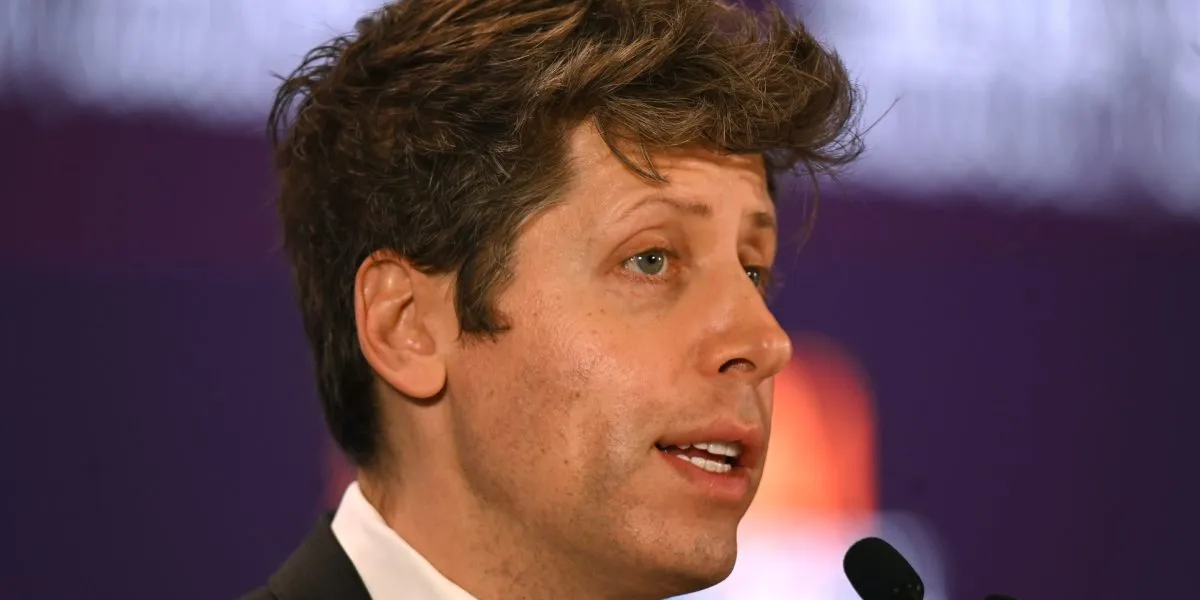
OpenAI CEO Sam Altman recently warned that some companies are engaging in a phenomenon known as “AI washing” by falsely attributing layoffs to artificial intelligence. This trend raises questions about accountability and transparency in the tech industry.
The immediate circumstances are striking. A study by the National Bureau of Economic Research revealed that nearly 90% of surveyed executives claimed AI had no impact on workplace employment over the past three years. Yet, companies like Snap have announced significant layoffs—about 1,000 employees, or 16% of their workforce—citing AI as a primary reason.
That context matters because it highlights a growing disconnect between corporate narratives and reality. Around 40% of employers expect to follow Snap’s lead in reducing staff due to AI, according to the 2025 World Economic Forum Future of Jobs Report. Meanwhile, Martha Gimbel from the Yale Budget Lab stated that there are currently no significant macroeconomic effects from AI on labor.
AI washing is defined as false, misleading, or exaggerated claims about AI adoption and its impact. Companies may market their capabilities as AI-driven when they primarily rely on conventional analytics or rules-based automation—essentially dressing up old technologies with trendy labels. Sid Yenamandra points out that this practice can mislead investors and consumers alike.
The implications extend beyond mere marketing hype. The SEC, DOJ, and FTC have initiated enforcement actions targeting firms that overstate their AI capabilities. The number of securities class action lawsuits related to AI disclosures has been trending upwards, with 16 cases filed in 2025 alone.
As the landscape evolves, market credibility hangs in the balance. By 2025, an estimated 92% of S&P 500 market value will comprise intangible assets—including AI systems—making these claims even more critical for stakeholders. Companies must navigate this terrain carefully; failure could result in significant legal repercussions.
In light of these developments, Altman’s remarks resonate strongly: “I don’t know what the exact percentage is, but there’s some AI washing where people are blaming AI for layoffs that they would otherwise do.” As businesses grapple with technological advancements and their repercussions, the conversation around AI governance will only intensify.