
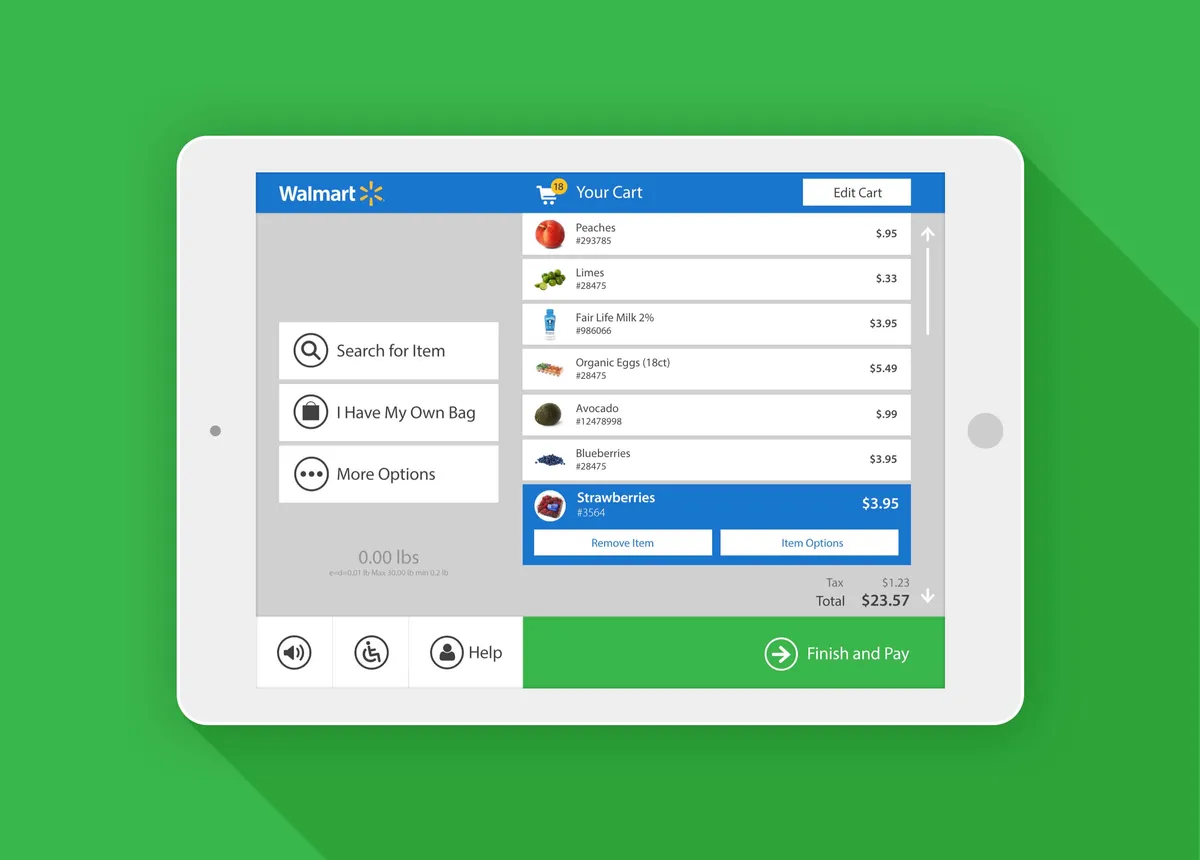
Walmart’s decision to remove self-checkout lanes in select locations, including its store in South Philadelphia, stems from growing concerns about theft and customer satisfaction. As retailers face rising retail theft, many are reevaluating their checkout systems.
In recent months, Walmart has begun replacing self-checkout kiosks with staffed registers. This shift aligns with a broader trend among retailers, including Dollar General and Target, who are also reconsidering their automated checkout options. In fact, Dollar General removed self-checkouts from 12,000 stores nationwide in 2024.
Statistics reveal that self-checkout systems present significant vulnerabilities. A December 2025 survey indicated that 69% of users believe these kiosks make it easier to steal. Moreover, 27% of users admitted to intentionally taking items without scanning them. These numbers underscore the challenges retailers face as they balance automation with security.
That context matters because it reflects changing shopping patterns and customer expectations. Shoppers often express frustration over long lines, whether at self-checkouts or traditional lanes. One Walmart customer noted, “I just want one or two items for my lunch and I get to the checkout and it’s a massive line no matter if you want self checkout or human checkout.”
This feedback has prompted Walmart to emphasize improved customer service through manned checkouts. A spokesperson stated, “These changes are guided by feedback from associates and customers, local shopping patterns, and the needs of the business in each community.” Retail experts suggest that forcing customers to use staffed registers can also save retailers money by reducing losses from theft.
However, the move towards more manned checkouts raises questions about efficiency and convenience. Amanda Farías pointed out the downside of reduced automation: “We’ve seen the consequences of removing workers from these spaces: increased retail theft, less oversight, fewer protections for both workers and customers and generally decreased safety.”
The legislative landscape is also evolving as some states push for regulations on self-checkout systems. As retailers navigate this complex environment, they must weigh the benefits of automation against the risks posed by theft.
Ultimately, Walmart’s shift away from self-checkouts illustrates a significant change in retail strategy aimed at enhancing the overall checkout experience while addressing pressing security concerns.