
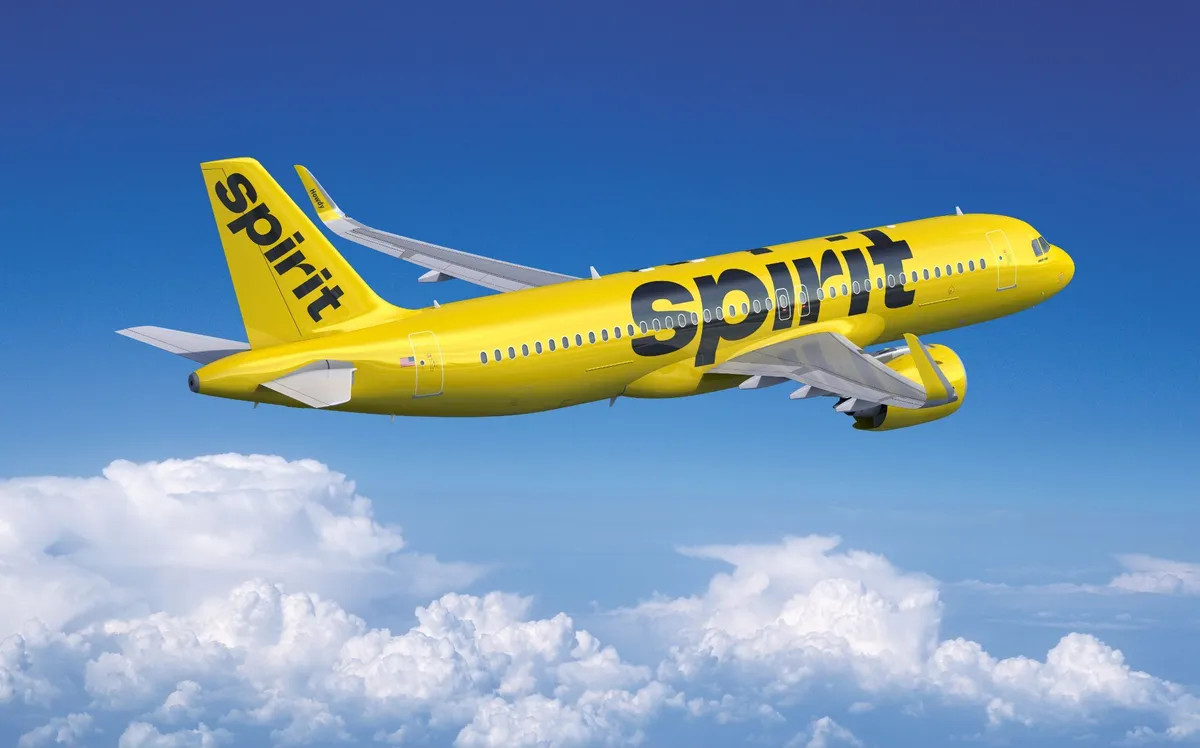
Delta Airlines has stepped in to assist Spirit Airlines passengers with discounted fares and support for Spirit’s workforce following the airline’s abrupt shutdown. This unexpected closure, which occurred at 3 a.m. on May 2, 2026, has left many travelers scrambling for alternatives.
The situation is dire for those affected. Spirit Airlines officially announced its closure after 34 years of operation, resulting in significant flight cancellations and uncertainty for passengers. Many now face the daunting task of securing last-minute travel arrangements or seeking refunds for their tickets.
That context matters because Delta’s response reflects broader trends within the airline industry. In a show of solidarity, Delta has launched reduced nonrefundable fares available across all domestic markets where Spirit operated. These discounted fares will be accessible for five days from May 2, 2026. Additionally, Delta is offering standby travel for Spirit pilots and flight attendants for ten days—an effort to support those suddenly out of work.
Other airlines are also stepping up in this crisis. United Airlines is capping fares at $199 for Spirit passengers on nonstop flights over the next two weeks, while JetBlue is providing one-way fares at $99 for travelers who can show proof of a canceled Spirit itinerary. The U.S. Department of Transportation is actively collaborating with airlines to ensure passenger assistance during this disruption.
However, not everything is straightforward. Passengers seeking refunds for their Spirit tickets can request them or file a bankruptcy claim if necessary—an indication of the financial turmoil facing the airline. Moreover, Delta’s CEO Ed Bastian mentioned that higher prices are likely to remain even after fuel costs settle down, raising questions about future air travel affordability.
In light of these developments, it’s clear that the impact of Spirit’s closure extends beyond immediate inconveniences; it poses significant challenges for its passengers and employees alike. As travelers navigate this sudden change, they must also consider how these shifts might affect the broader landscape of air travel.
The airline industry is no stranger to turbulence, but this incident highlights the interconnectedness among carriers. As Delta takes steps to assist those affected by Spirit’s sudden exit from the market, it sets a precedent that may influence how airlines respond in future crises.