
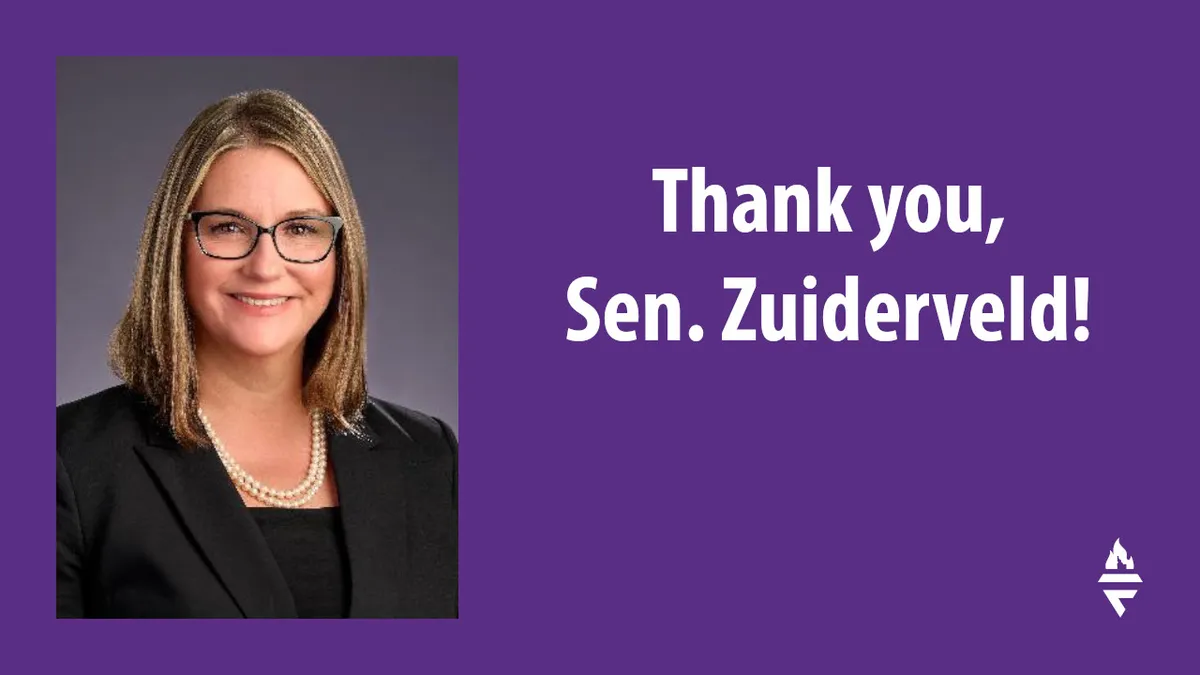
The financial fallout from a political boycott highlights the deepening rift within Idaho’s Republican Party over immigration policy. Tom Zuiderveld, a businessman, lost approximately $125,000 in annual commissions after four major dairies severed ties with him.
This situation unfolded as his wife, Glenneda Zuiderveld, a Republican lawmaker, took a hardline stance on immigration. The dairies that cut ties accounted for roughly 80 percent of his earnings. This conflict underscores the growing divide within the party regarding immigration issues.
Idaho’s dairy sector relies heavily on immigrant labor, with around 90 percent of its workforce being immigrants, many without legal work permits. Yet, Glenneda Zuiderveld co-sponsored bills requiring E-Verify checks for employers, which complicates the labor landscape for dairy farmers.
As Tom Zuiderveld actively supports his wife’s political efforts—serving as her campaign treasurer—the repercussions of their political choices have become personal and financial. “They did exactly what they wanted to do: send a message,” he remarked about the dairies’ decision.
This incident reflects broader tensions within the Idaho Republican Party. Rick Naerebout noted, “This will be a potential tipping point for Idaho: Do we continue to shift further to the right, or do we moderate some?” The implications of this rift could influence future Republican primaries.
Brent Reinke posed an essential question: “What’s the impact next week, next month and next year?” As these dynamics evolve, they could reshape not only individual businesses but also the agricultural labor framework in Idaho.
The dairy industry in Idaho is significant—it stands as the third-largest in the United States and employs roughly 4,500 people. The reliance on immigrant labor complicates any changes in immigration policy that could arise from internal party conflicts.
This scenario illustrates how political decisions can ripple through personal and professional lives, affecting livelihoods and community structures. The outcome of this situation remains uncertain as stakeholders navigate these complex waters.