
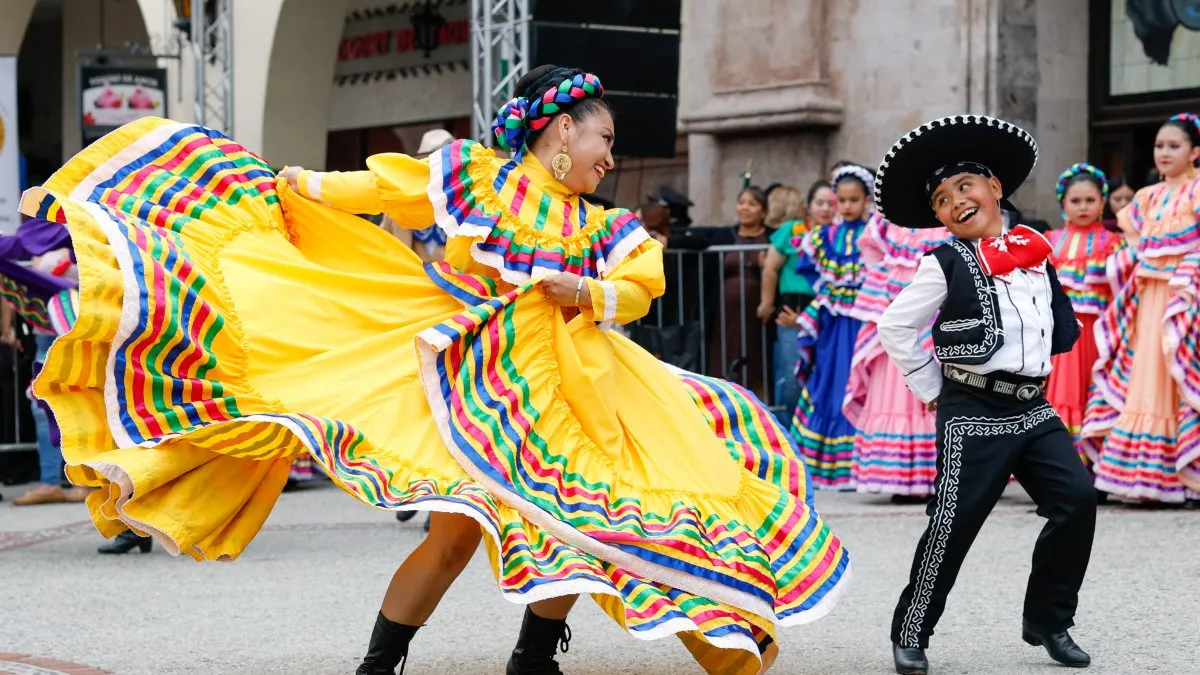
Cinco de Mayo, celebrated on May 5, is often mistaken as Mexico’s Independence Day. In reality, it commemorates Mexico’s victory over French forces at the Battle of Puebla in 1862. While it holds significant cultural meaning for many Mexican Americans, it is relatively minor in Mexico itself.
The holiday gained traction in the United States during the 1970s and 1980s. This surge was largely due to marketing efforts by beer companies aiming to tap into the growing Mexican-American demographic. Today, Cinco de Mayo celebrations frequently involve vibrant parades, traditional music, and delicious food—like mole poblano, which is especially popular in Puebla.
Interestingly, Cinco de Mayo is not to be confused with Día de la Independencia, which Mexico celebrates on September 16. As Fernando Paloma points out, “In Mexico, it is the contrary; Mexico celebrates more the 15th and the 16th of September, which was ‘El Grito’ of the Independence of Mexico.” This distinction highlights how cultural narratives can shift based on geography.
The roots of Cinco de Mayo can be traced back to a time when foreign powers sought to dominate Mexico. The Battle of Puebla symbolized not just a military triumph but also a stand against colonialism during the Franco-Mexico War. This context matters because it illustrates why this day resonates so deeply with Mexican Americans today.
Rick Stepp aptly notes that “Cinco de Mayo is probably the most misunderstood holiday in North America.” Many celebrate it without knowing its historical significance. For those engaged in Chicano studies, this holiday represents more than just festivities; it embodies a struggle for identity and recognition within American society.
As we look forward to this year’s celebrations on May 5, 2026, observers expect an even greater emphasis on cultural pride among Mexican Americans. With ongoing discussions about immigration and identity in the U.S., Cinco de Mayo serves as a reminder of resilience and heritage.
Despite its commercialization and misunderstanding, Cinco de Mayo continues to serve as a bridge between cultures—inviting everyone to partake in its rich traditions while honoring its historical roots.