
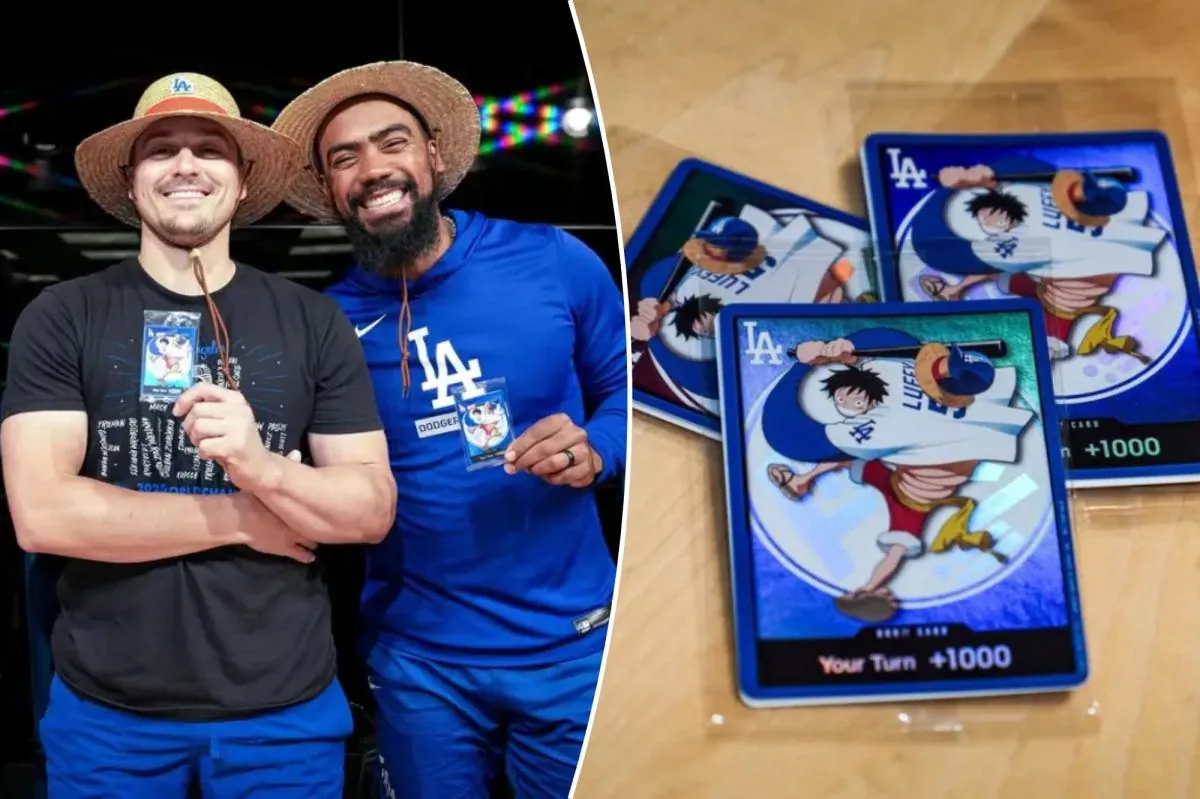
Los Angeles experienced significant activity at Dodger Stadium during a recent game between the Los Angeles Dodgers and the San Diego Padres, largely driven by a special One Piece Night promotion. The event featured the giveaway of an exclusive trading card depicting the protagonist Monkey D. Luffy in a batting stance, alongside co-branded straw hats, to the first 52,000 ticketed fans.
The promotion led to extensive lines and traffic congestion around the ballpark, with some ticket holders arriving as early as 7 a.m. Security was increased, and stadium officials noted that the enthusiasm surrounding this promotion surpassed that of popular bobblehead and Hello Kitty giveaways from previous years. The demand for tickets to the game was high, with a spokesperson for StubHub stating it was the most in-demand Dodgers home game of the year, excluding Opening Day. Roughly half of all tickets for the game were sold in the days following the announcement of One Piece Night’s return in late May, with the trading card reveal further sustaining this elevated demand.
High Resale Value and Fan Response
The promotional card quickly became a highly sought-after item. Even before the gates opened, listings for the card appeared on online marketplaces. Initial offers for the card at the stadium ranged from $100 to $150, with some buyers later offering upward of $600. One fan, Amy Valle, reported selling her card at the game for $600. On Mercari Japan, a secondary market, the cards were selling for more than $1,000, and the accompanying commemorative straw hats for more than $100.
The high resale value of these promotional items is part of a broader trend. Products from the One Piece card game have seen a surge in value over the last two years, following a similar pattern to Pokémon cards. This increased popularity has reshaped perceptions of promotional freebies, which were once considered less desirable due to being printed in large quantities. Last year’s Dodgers promotional card, in peak condition, reportedly sold for as much as $19,000.
The excitement around One Piece promotional cards has also been observed elsewhere. Earlier this past season, similar giveaways at college basketball games across the country overwhelmed schools, leading one institution to cancel its final promotional night due to reported security concerns. Additionally, a collaboration in Paris involving a One Piece card giveaway had to be suspended because of surging crowds, with cards from that event selling for around $900 on eBay.
Community Impact and Cultural Ties
The event at Dodger Stadium drew a diverse crowd, including fans who traveled long distances specifically for the promotion. Ozzy Baldwin drove from Arkansas for the event, citing his interest in One Piece and the collectible cards. Another fan traveled from Vancouver, British Columbia, with friends, to participate. The atmosphere at the stadium was described as a frenzy, with some attendees focused on acquiring the cards for their potential financial value.
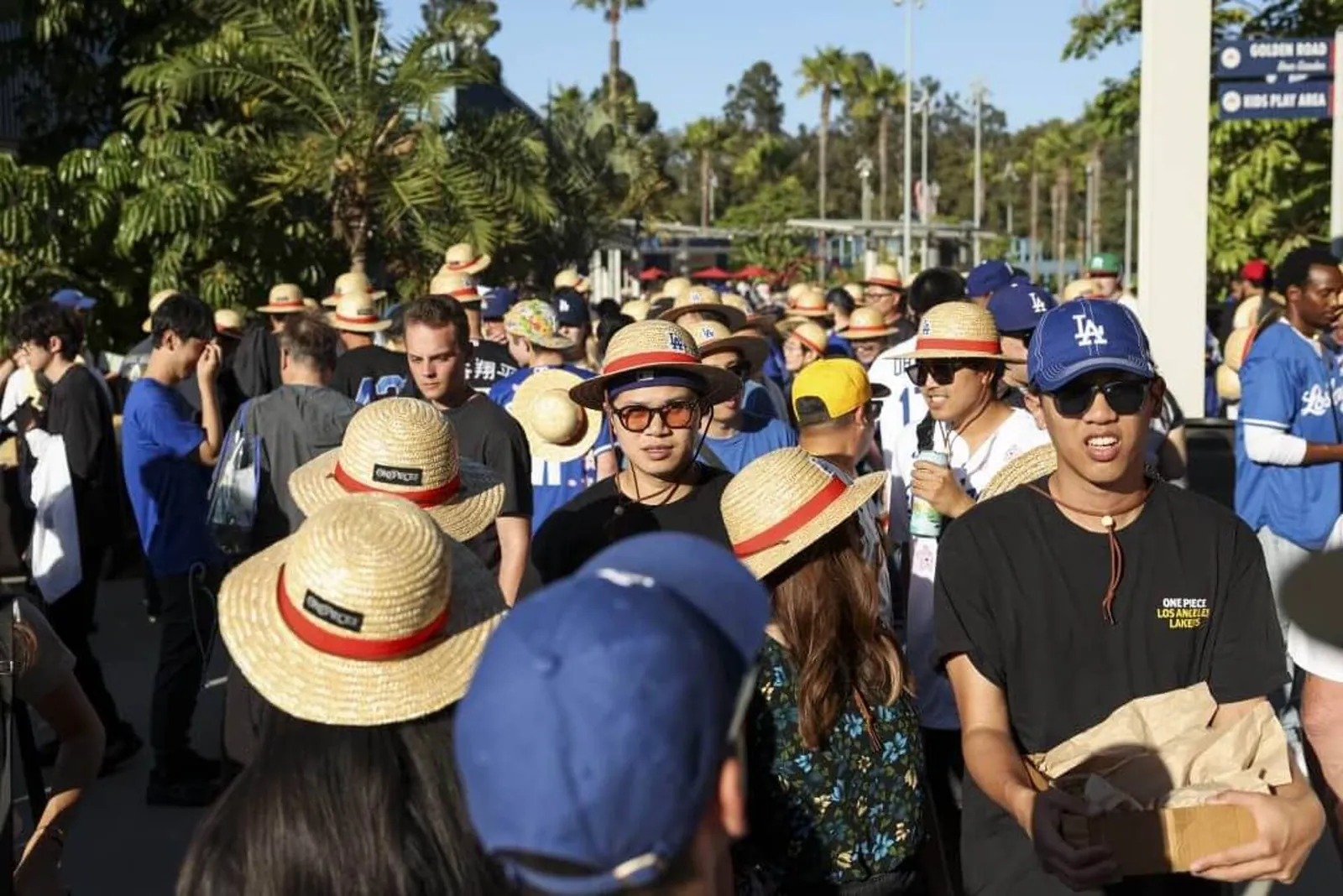
This collaboration highlights the Dodgers’ growing connections to Japanese pop culture. The team first partnered with One Piece for a promotional night in 2025. One Piece, created by Eiichiro Oda, debuted as a manga in July 1997 and later as an anime in 1999, becoming a significant entertainment property in Japan. The Dodgers have also secured numerous Japanese corporate sponsorships, contributing to the club’s annual sponsorship revenue exceeding $200 million.
During the event, some individuals were observed attempting to sell cards immediately after receiving them, leading to attempts by law enforcement to manage the impromptu secondary market. Despite the large quantity of cards available, the promise of 52,000 giveaways did not deter the formation of long pregame lines.
Source: nytimes.com