
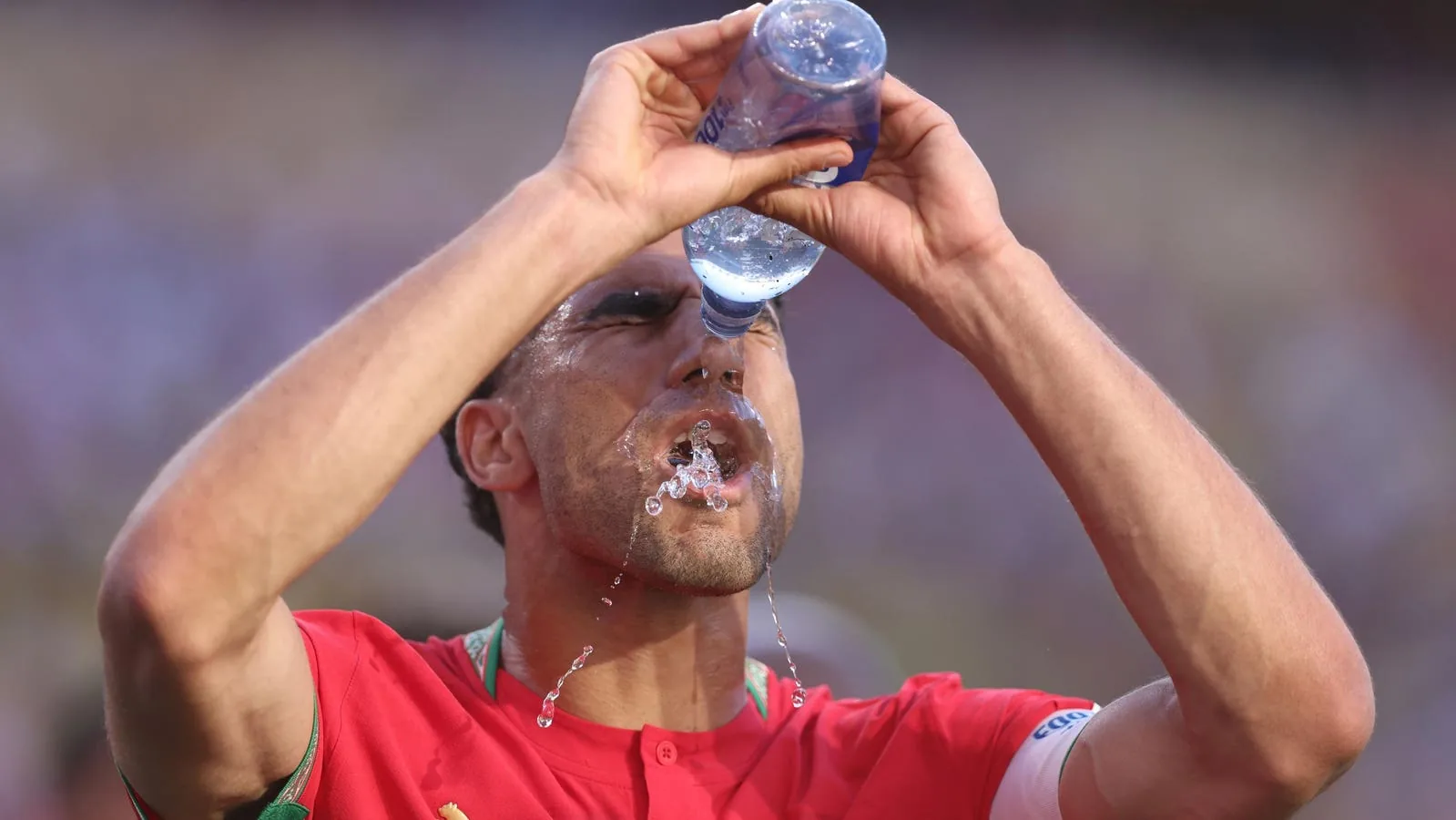
Extreme Heat Conditions Expected
A significant heatwave is anticipated to persist across the eastern and central United States through the end of the week, with peak heat indexes, which combine air temperature and humidity, projected to be between 100 F to 115 F (37.78 C to 46.11 C). This weather pattern could lead to record-breaking temperatures, offering little relief even during nighttime hours. The humid conditions, also affecting parts of Canada, are considered to be virtually impossible without the influence of climate change, according to scientists from the World Weather Attribution.
One of the upcoming matches, the knockout round game between France and Paraguay in Philadelphia on Saturday afternoon, is expected to be among the hottest of the World Cup tournament. Temperatures in Philadelphia could reach or exceed 100 F (37.78 C) with a 44% humidity level. This combination could result in a “feels-like factor” or heat index approaching 110 F (43.33 C). The scheduled 5 p.m. ET kickoff time for this match coincides with what is typically the hottest part of the day.
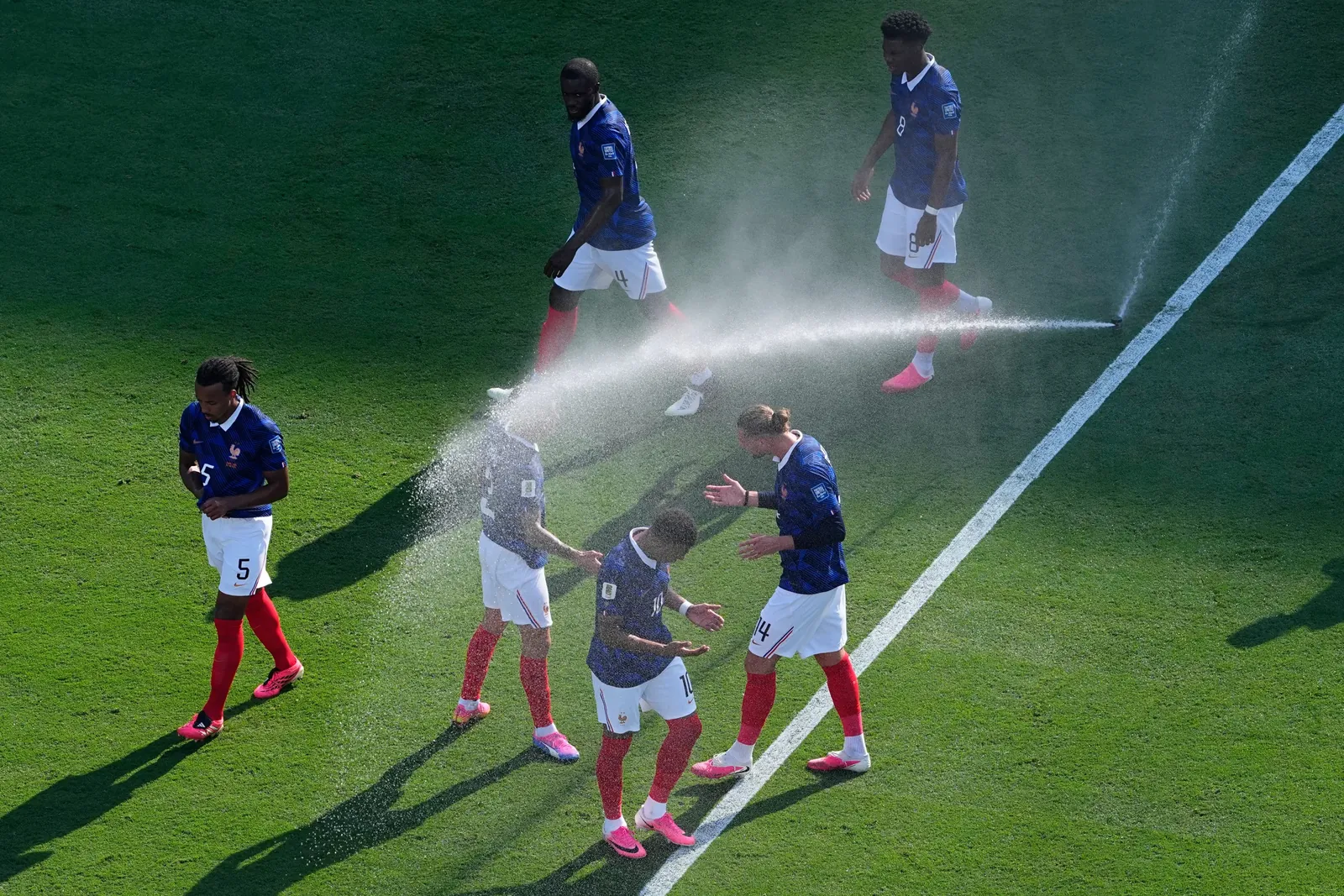
Earlier in the week, French players utilized field sprinklers to cool down during their match against Sweden in New Jersey, where temperatures reached 90 F (32.22 C).
Player and Fan Safety Concerns
Concerns regarding extreme heat during the tournament, which spans the U.S., Canada, and Mexico, have been increasing for several months. Some scientists have described FIFA’s heat safety guidelines as “inadequate” and “impossible to justify,” even for players who are acclimatized to heat. For spectators, the intense heat could lead to slower and less intense games.
Heat poses a significant risk to athletes, as bodies warm during exercise, making it more difficult to cool down in hot and humid conditions. This increases the likelihood of heat-related illness or even death. Symptoms of exertional heat illness can include extreme fatigue, impaired performance, headaches, irritability, nausea, dizziness, cramping, and dehydration. Exertional heat stroke, which requires immediate medical attention, is a leading cause of death in athletes.
When the wet bulb globe temperature, which considers temperature, humidity, cloud cover, and wind, surpasses approximately 95 F (35 C), individuals may lose their ability to cool down quickly, leading to physiological breakdowns. Heat-induced confusion could also impact a player’s decision-making during a match.
Fans are also at risk, especially those consuming alcohol. Cities and stadiums have implemented measures such as increased access to shade, cooling areas, water, and medical personnel stationed at FIFA Fan Festivals and around stadiums to mitigate these risks.
FIFA’s Heat Safety Measures and Potential Adjustments
FIFA’s current heat safety protocols include mandatory three-minute hydration breaks midway through each half to protect players and referees. However, these breaks have drawn criticism; some argue they disrupt the game’s flow, while others suggest they should be longer to allow for meaningful cooling and rehydration during extreme heat.
The guidelines also state that a match could be postponed if the wet bulb globe temperature reaches 89.60 F (32 C). However, this threshold is considered by some experts to be very high, noting that military training facilities in America cancel all training at 32 C (89.60 F).
Matches scheduled during peak heat hours outdoors have been limited, and those expected in warmer periods are prioritized for covered stadiums. Despite these measures, some reports suggest that the player’s union FIFPRO, along with the American College of Sports Medicine, has advocated for matches to be delayed for safety reasons.
Delaying the kickoff of the France vs. Paraguay match until the evening could significantly improve conditions. Even if temperatures remain warm, the absence of direct sun radiation would reduce the body’s effort to stay cool, and real temperatures would begin to drop. By 9 p.m. ET, temperatures that were above 100 F (37.78 C) could fall into the mid-90s F (32.22 C to 35 C), making play more manageable.
This approach has been adopted by Major League Soccer in recent seasons, with most summer matches kicking off after 7:30 p.m. ET local time. While delaying matches might affect prime-time viewing in Europe, it could enhance the quality of play and make the stadium environment more comfortable for attendees. The tournament is scheduled to continue the following afternoon in East Rutherford, N.J., where temperatures for the Brazil vs. Norway match are predicted to be in the mid-80s F (26.67 C to 31.11 C).
The 2022 World Cup in Qatar was moved from summer to winter due to extreme heat threats, and the Club World Cup experienced soaring temperatures last year. The global union for soccer players has warned that extreme heat is likely to be a greater issue in current and future World Cups. One of the hottest World Cup games on record occurred in 1994 in Orlando, Florida, when temperatures reached 110 F (43.33 C).
Guilherme Passos, a sport scientist with the Brazilian Football Federation, prepares the Brazil national team for extreme heat. The team has acclimated to the U.S. heat through methods such as using saunas or hot baths during training. During the 2014 World Cup in Brazil, players reportedly covered less distance and reduced high-speed running, focusing instead on technical and tactical precision. The upcoming France vs. Paraguay match on Saturday is expected to be particularly challenging due to the forecasted high temperatures.
Source: apnews.com