
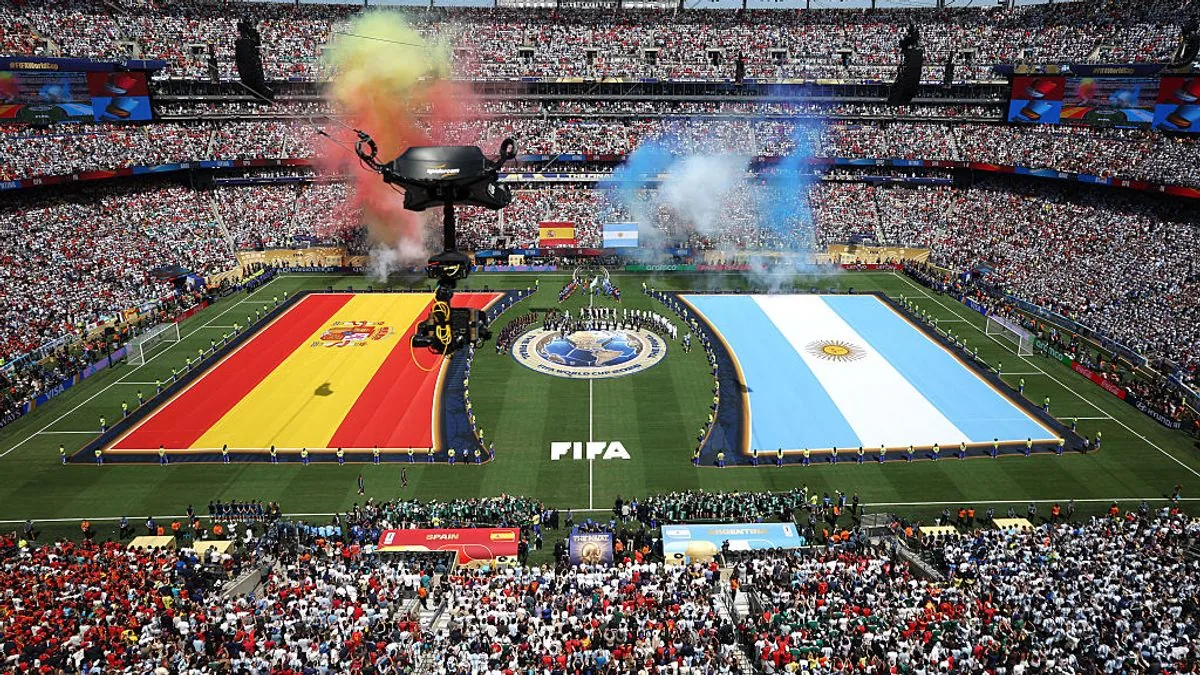
The 2026 FIFA World Cup, hosted across the United States, Mexico, and Canada, concluded with significant attendance figures and economic benefits for host cities. The tournament saw more than 6.5 million fans attending matches, nearly doubling previous attendance records. Stadiums in the United States, which included 11 host cities, reported a 99.7% capacity rate. Additionally, FIFA Fan Festivals attracted another 7.7 million visitors, with fans from over 150 countries experiencing the event.
The event generated more than 20 billion video views globally. Economic impacts were notable in various locations, such as Seattle’s Pioneer Square, where local businesses experienced sales increases of up to 10 times their average. Philadelphia saw a projected economic impact of $770 million.
Security Measures and Incidents
Security was a key focus for the tournament organizers. Federal coordination teams were deployed, and local law enforcement received $625 million in funding. An additional $500 million was invested in counter-drone technology. These measures aimed to ensure a safe and seamless experience for attendees.
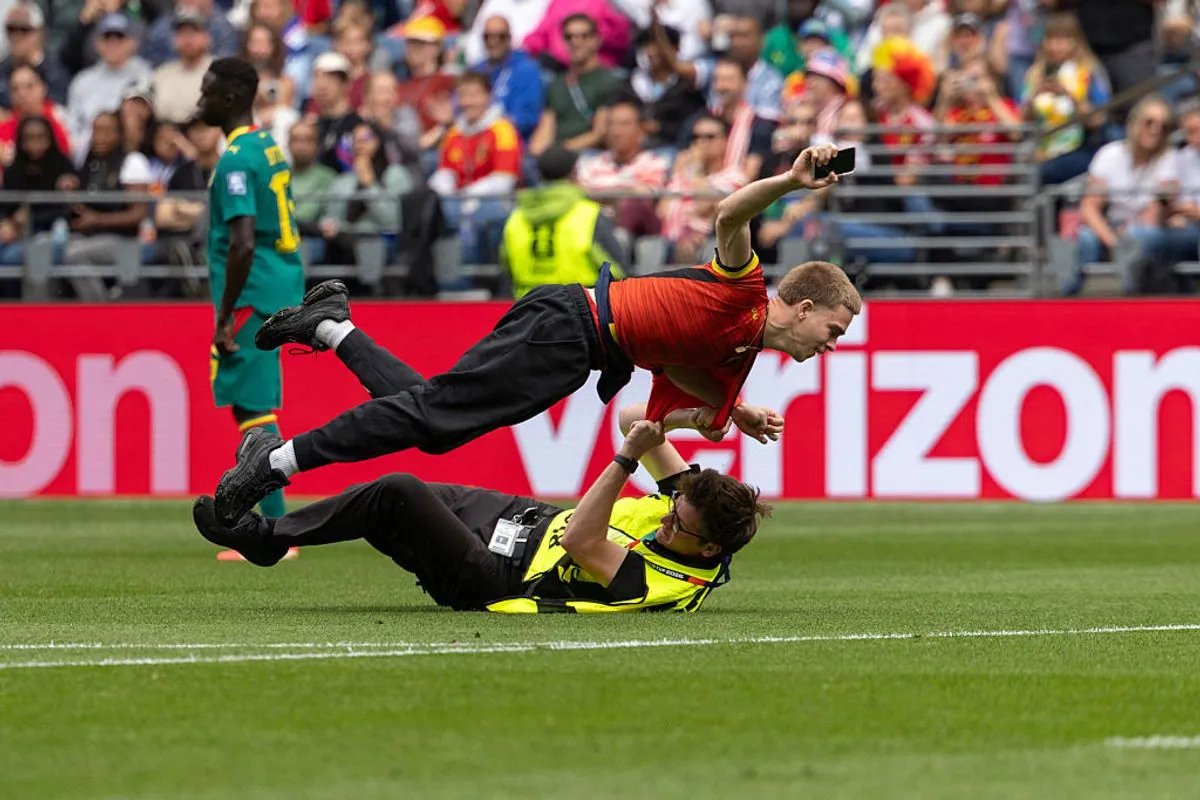
Despite these efforts, some pitch invasion attempts occurred during the tournament. In a Belgium versus Senegal Round of 32 match in Seattle on July 1, multiple intruders entered the field, some promoting gambling brands or personal messages. One individual, wearing a Belgian jersey, was tackled quickly, while another ran across the field for approximately 40 seconds before being apprehended.
Two days later, during a Portugal versus Croatia Round of 32 match in Toronto, a young fan wearing a Cristiano Ronaldo jersey attempted to reach the player. The fan made it close to the Portuguese bench before being tackled. Another fan attempted to invade the pitch during the USMNT’s opening game against Paraguay in Los Angeles but was swiftly stopped by security.
In contrast to previous tournaments, the 2026 World Cup Final at New York/New Jersey Stadium did not experience any pitch invaders. This final saw Spain defeat Argentina 1-0, securing Spain’s second Jules Rimet Trophy.
Tournament Highlights and Legacy
The final match between Spain and Argentina was a defensive affair. Ferran Torres scored the winning goal for Spain in the 106th minute. Argentina faced a disadvantage after an Enzo Fernández red card late in regular time. Lionel Messi, who played in the final, received a second-place medal, marking what is likely the end of his international career with Argentina.
The tournament’s legacy is described as building stronger technology, better training, and deeper partnerships both domestically and internationally. The collaboration between the United States, Canada, Mexico, and FIFA aimed to deliver a continental spectacle, demonstrating the region’s capability to host large-scale events. The lessons learned from this World Cup are expected to inform future major events hosted in the United States.
The White House Task Force on the 2026 FIFA World Cup was established early in the second term of the presidency to ensure a comprehensive government effort. The goal was to deliver a tournament that was not only the largest and safest but also the most welcoming and memorable for fans, athletes, and communities across America. The event concluded without major security incidents.
The 2026 World Cup is seen as a testament to the nation’s ability to host ambitious events, with the final match taking place after 120 minutes without any major disruptions.
Source: aol.com