
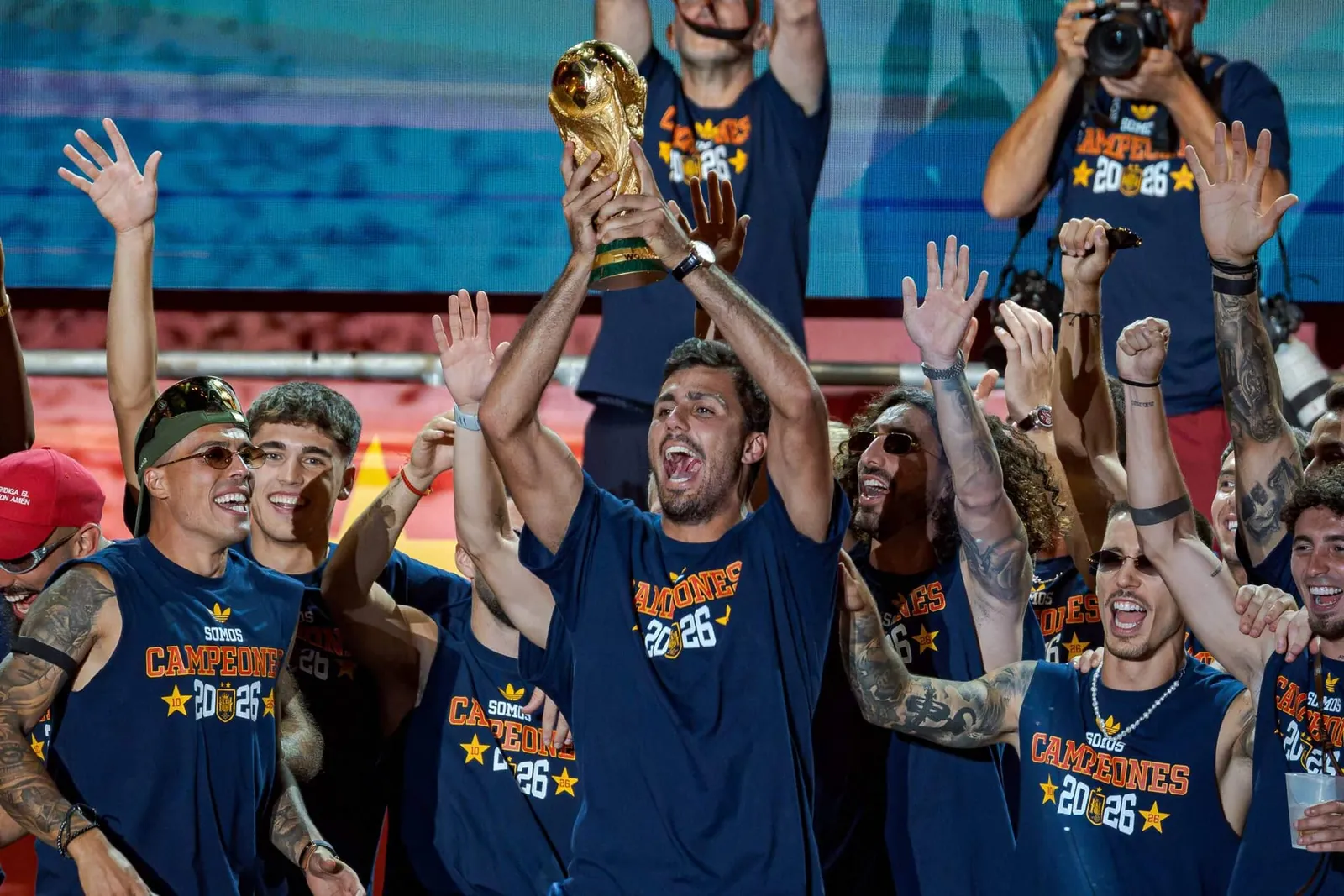
Spain has secured its second World Cup title, 16 years after its initial victory in South Africa. The team’s triumph was celebrated with an official reception at Zarzuela Palace, the residence of the Spanish royals, located outside Madrid. King Felipe VI and the royal family welcomed the victorious squad after their return from New Jersey, where they had watched the final match.
Following the palace reception, the team was scheduled to proceed to Moncloa Palace for a governmental reception hosted by Prime Minister Pedro Sánchez. The celebrations were planned to culminate with an open-top bus parade through Madrid, concluding at the Plaza de Cibeles.
Team Unity and Resilience
The journey to the World Cup title was marked by strong team cohesion and resilience under coach Luis de la Fuente. Many players have a long history together, having played in youth ranks and under De la Fuente in various age-group tournaments. This included winning the Under-19 Euros in 2015 with players like Rodri and Mikel Merino, and the Under-21 Euros in 2019 with Dani Olmo, Mikel Oyarzabal, and Unai Simon. The team also secured a silver medal at the Covid-delayed 2021 Tokyo Olympic Games.
The squad’s unity was evident throughout the tournament, particularly after a goalless draw against Cape Verde in their opening match in Atlanta. Despite dominating possession, Spain failed to score, leading to critical reactions from some media outlets. However, sources close to the team indicated that the internal message remained one of calm and confidence, with De la Fuente making four changes for the subsequent game against Saudi Arabia.
In that second match, Spain was 3-0 ahead by the first hydration break, with Mikel Oyarzabal scoring twice and assisting a goal for Lamine Yamal on his first World Cup start. De la Fuente emphasized the importance of courage in responding to criticism, stating that doubting the team was ill-advised. The team’s togetherness was further reinforced during a group stage match against Uruguay, where Alex Baena scored the only goal.
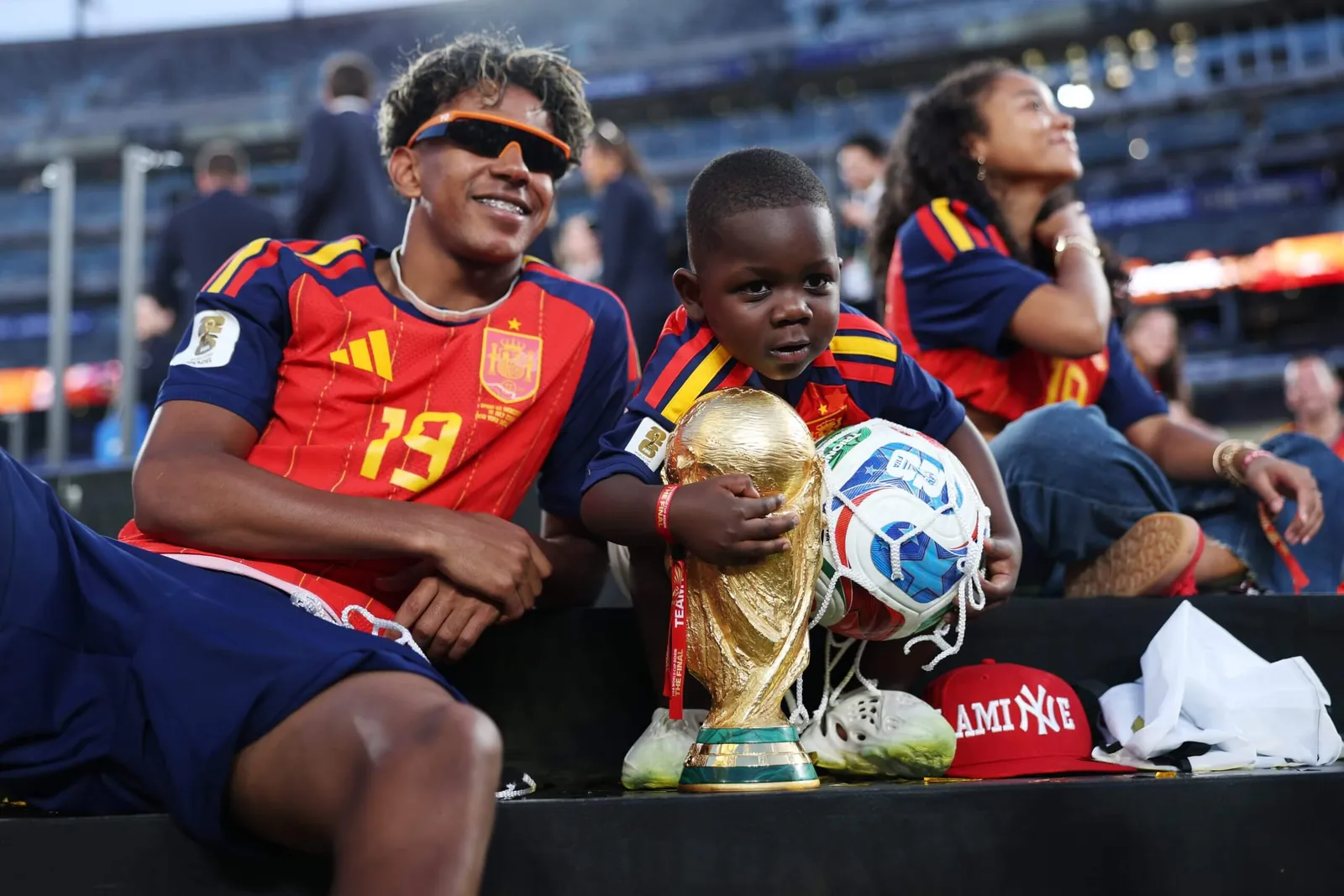
The importance of family also played a significant role in the team’s atmosphere. Players’ partners, parents, and children spent time together at the team hotel. This family connection was highlighted by goal celebrations, such as Oyarzabal’s gesture to his pregnant wife after scoring against Austria in the round of 32, and Fabian Ruiz’s similar celebration against Belgium in the quarter-finals.
Tottenham Hotspur full-back Pedro Porro dedicated his first goal for Spain against Austria to his 10-month-old son, Pedro Jr. Oyarzabal also underscored the importance of his family and the healthy atmosphere in the dressing room over individual comparisons to other prominent players.
Final Match and Reactions
In the final match, captain Rodri was visibly emotional after the victory, falling to his knees in tears. The midfielder had delivered a strong performance, controlling the game against Argentina. Following the final whistle, tensions briefly escalated between players from both teams, with Nahuel Molina confronting Rodri and Leandro Paredes grabbing Eric Garcia.
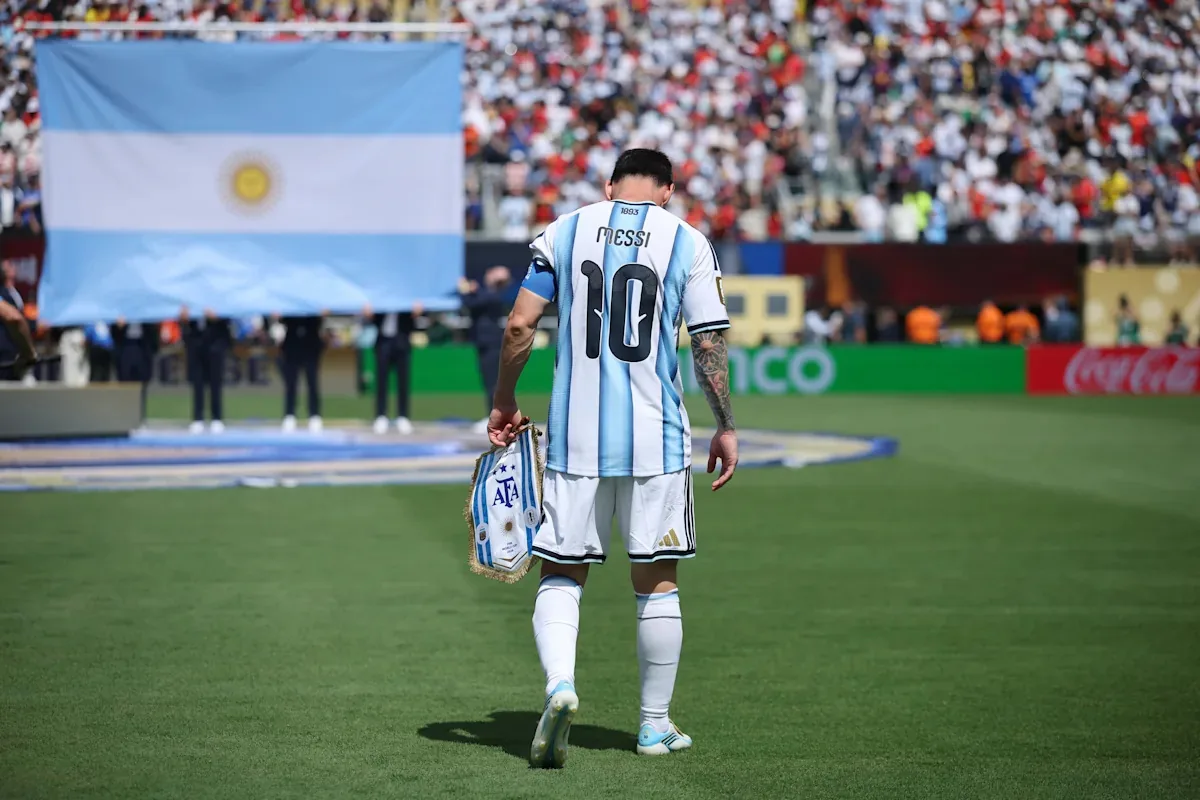
Lionel Messi, reflecting on Argentina’s loss, expressed his pain in a statement posted on his Instagram page. He acknowledged the immense hurt and the time it would take for the wound to heal, while also thanking his fans and teammates and congratulating Spain. Messi’s statement highlighted the team’s achievement in reaching two consecutive World Cup finals and the unity of Argentina as a country.
The final match potentially marked Messi’s last appearance in a World Cup. Despite his age, Messi demonstrated strong form during the tournament, with his efforts being crucial to Argentina’s progression. However, his performance was not enough to secure a second consecutive World Cup victory for Argentina.
The Spanish Football Federation (RFEF) adopted an open approach with journalists during the tournament, aiming to foster a positive environment around the squad. This included providing access and hosting small gatherings, which reportedly had a positive impact on the team’s mood. The team’s journey included a tight round-of-16 game against Portugal, decided by a 91st-minute winner from Merino, who had recovered from a foot operation in January.
The Spanish royal family’s social media conveyed their pride, stating that the title was a reward for a demanding path traveled with effort, sacrifice, perseverance, and commitment. The message concluded by celebrating the title and noting that it would be remembered as a legend.
The World Cup final was the first time the family of four attended a Spanish men’s national football team match together.
U.S. President Donald Trump and FIFA counterpart Gianni Infantino presented the trophy to Rodri.
Source: nytimes.com