
Layoffs Impact Familiar Faces
Recent layoffs at ESPN have affected several prominent on-air personalities and behind-the-scenes staff. Among those departing are Karl Ravech, Ryan Clark, and Tom Pelissero. Additionally, David Lloyd, Stephania Bell, and Charles Davis, along with numerous NFL Network production personnel, were also impacted. These changes reflect a shift in the network’s identity, moving away from its previous reputation as the “Worldwide Leader in Sports.” Many employees, including Ravech, were reportedly unaware that their recent broadcasts would be their last.
Karl Ravech, who joined ESPN in May 1993, had been a recognizable voice in baseball broadcasting for over three decades, anchoring “Baseball Tonight” and serving as the lead MLB play-by-play caller since 2022. His final assignment was a nationally televised game between the Philadelphia Phillies and Los Angeles Dodgers. According to colleague Buster Olney, neither Ravech nor his co-workers knew this broadcast would mark the end of their time together at the network.
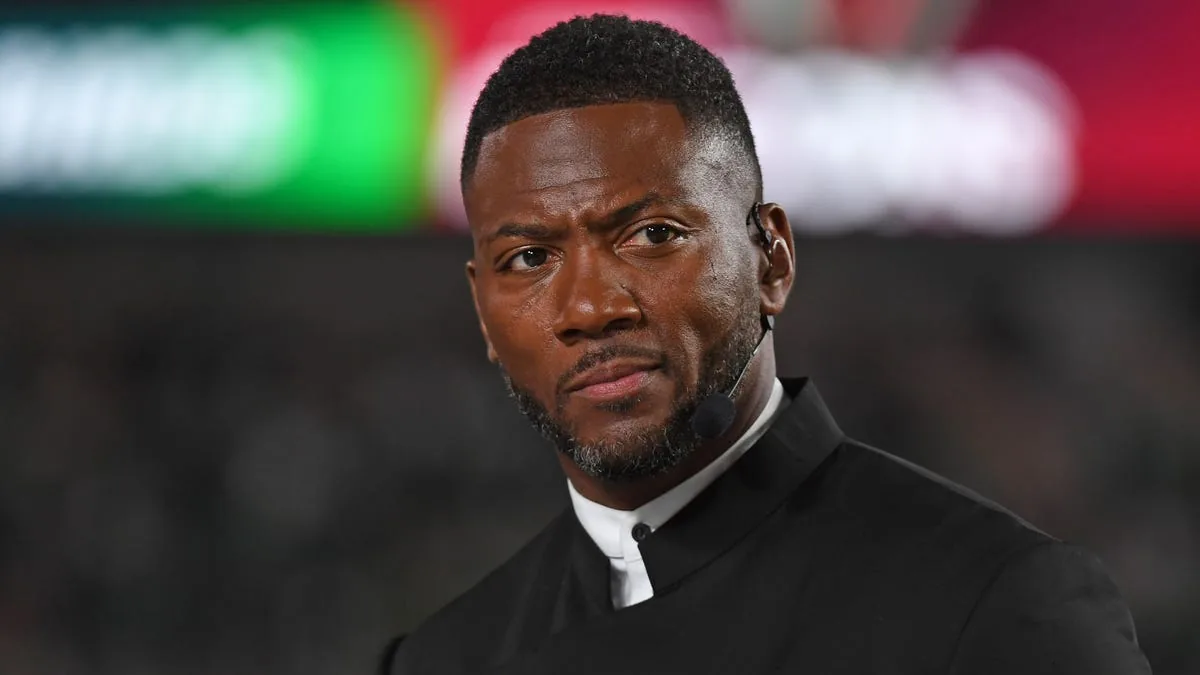
Ryan Clark, a former NFL defensive back and analyst for over a decade, was informed of his impending layoff during a commercial break of an “NFL Live” broadcast. This decision was made after a news outlet inquired about his employment status, setting a deadline for a response. Clark later stated on social media that he was asked if he should be done with the show at that moment, to which the answer was “yes.”
Shifting Priorities and Financial Decisions
The recent layoffs have prompted discussions about ESPN’s spending priorities. While some point to the significant salaries of personalities like Stephen A. Smith, whose annual salary is reported to be $21 million, and Pat McAfee, with a potential deal of $60 million-$65 million per year, these figures are part of broader financial decisions made by ESPN chairman Jimmy Pitaro. The network is valued between $25 billion and $30 billion, suggesting that individual contracts alone may not be the sole cause for the firings.
The integration of NFL Network into ESPN and the pursuit of financial targets are also key factors in these decisions. Pitaro, who took leadership in 2018, has focused on strengthening relationships with the NFL, acquiring additional Super Bowls, and bringing in prominent figures like the Mannings, Joe Buck, and Troy Aikman. The acquisition of NFL Network in February involved the NFL receiving a 10 percent stake valued at $3 billion.
The departures of individuals like David Lloyd, who joined ESPN before the turn of the century and represented the network’s earlier ethos of hard work and company representation, highlight a change in what the network prioritizes. Stephania Bell, known for pioneering the role of injury expert on television over nearly 20 years, also represents a type of ingenuity that has historically contributed to ESPN’s success.
The Post-2013 Era
Since 2013, ESPN has entered a new era marked by significant changes, including recurring layoffs in Bristol, Conn. This shift followed a period where the network benefited from dual revenue streams, including approximately 100 million cable subscribers. However, subscriber numbers have since decreased to around 60 million, leading to a focus on a new “Unlimited” direct-to-consumer app to reverse fortunes.
The current environment at ESPN, particularly in the post-2013 era, suggests a greater emphasis on individual personalities who can break through in a crowded media landscape. This approach has led to the departure of long-serving and respected professionals, indicating a different kind of team being built at the network. The recent layoffs, including those affecting NFL Network employees like Charles Davis, were part of a broader effort to find synergies following the integration of the two entities.
The impact of digital media on the industry continues to influence ESPN’s operational decisions. The network’s evolution reflects a strategic response to changing viewership habits and financial pressures, leading to difficult personnel choices. The changes underscore a new direction for ESPN as it navigates the complexities of the modern sports media landscape.
Many of those affected by the layoffs had dedicated years to the company, with Karl Ravech having been with ESPN since May 1993.
Source: nytimes.com