
Introduction
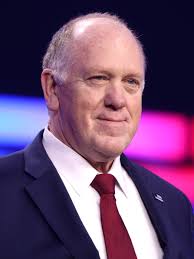
Tom Homan, the former acting director of U.S. Immigration and Customs Enforcement (ICE), has played a pivotal role in shaping immigration enforcement policies in the United States. His career spans over three decades within the agency, and his views on immigration remain relevant as debates continue to intensify nationwide. Homan’s policies and advocacy for stricter immigration enforcement resonate with supporters and critics alike, making him a notable figure in contemporary American politics.
Career and Background
Homan began his career with ICE (which was formed in 2003) as a special agent in the agency’s criminal investigation division. He quickly climbed the ranks, serving in various leadership roles, and was appointed as the acting director of ICE during the Trump administration in 2017. Under his leadership, ICE implemented aggressive immigration enforcement strategies, which included increased deportations and heightened scrutiny of undocumented immigrants.
Policies and Initiatives
Homan’s tenure as the head of ICE was marked by a noticeable shift in immigration policy that emphasized a zero-tolerance approach. He advocated for the expansion of deportation efforts and supported controversial practices such as family separation at the U.S.-Mexico border. His stance won him accolades from advocates for tighter immigration controls, while it also drew severe criticism from human rights groups and many lawmakers who deemed such measures inhumane.
After leaving his official position in early 2021, Homan became a prominent voice in the immigration debate, frequently appearing on major news outlets and congressional hearings. He argued that the Biden administration’s immigration policies have led to a surge in illegal crossings at the border, advocating for a return to stricter enforcement tactics reminiscent of his time in the Trump administration.
Current Influence and Future Role
As of now, Tom Homan continues to influence immigration discourse through public speaking engagements and affiliations with organizations that support stringent immigration laws. His predictions about border control have sparked debate among policymakers, as rising numbers of migrants continue to challenge the Biden administration’s handling of immigration compliance.
Conclusion
Tom Homan’s legacy in U.S. immigration policy remains contentious yet significant. His career has illustrated the complexities and polarizations that surround immigration enforcement in America. As immigration continues to be a pivotal issue in U.S. politics, Homan’s influence can be expected to persist as advocates and opponents of stricter immigration measures grapple with the ongoing challenges at the nation’s borders. The direction of future policies will likely reflect ongoing tensions within the political landscape and the profound uncertainties surrounding immigration law enforcement.