
Introduction
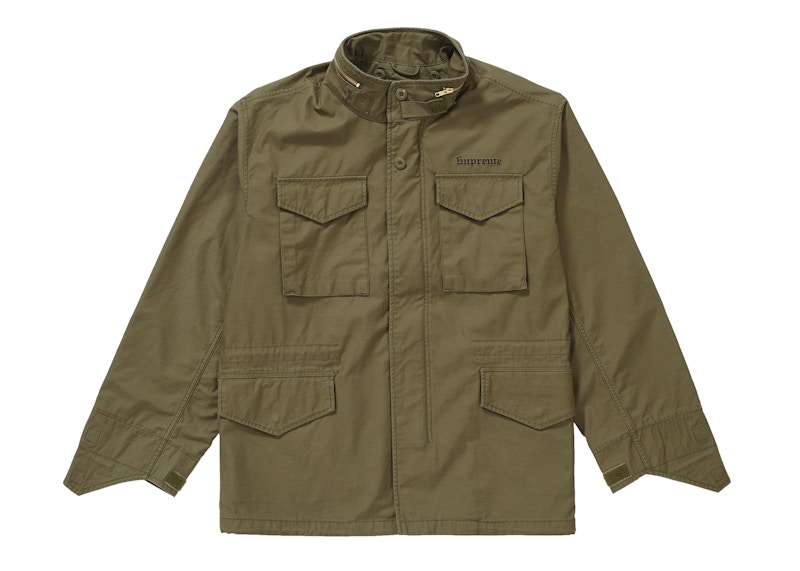
The brand Supreme has transcended its origins as a skateboard shop in New York City to become one of the most influential names in streetwear and pop culture. Founded in 1994 by James Jebbia, Supreme’s unique blend of exclusivity and urban style has not only attracted a loyal customer base but has also made it a symbol of status among fashion enthusiasts. As of 2023, Supreme continues to hold significant relevance in the fashion industry and youth culture, raising questions about consumerism, brand loyalty, and the evolving landscape of fashion.
The Evolution of Supreme
From its humble beginnings, Supreme has carved out a niche in the fashion world by focusing on limited releases and collaborations with various artists and brands. The brand’s collaboration with the likes of Louis Vuitton and Nike has propelled it into the luxury sphere, appealing to both streetwear fans and high-end fashion lovers alike.
The brand’s iconic red box logo is recognized around the globe, a testament to its powerful branding strategies. Recent estimates suggest that Supreme products can resell at prices up to ten times their original retail price, showcasing the brand’s ability to create demand and generate hype. In fact, a Supreme x Louis Vuitton hoodie sold for approximately $100,000 at auction, highlighting the intersection of streetwear with high fashion.
Current Trends and Cultural Impact
In recent years, Supreme has seen engagement from not just fashion enthusiasts but also influencers within music, art, and sports. Collaborations with artists like Takashi Murakami and musicians such as A$AP Rocky have further solidified Supreme’s position as a cultural touchstone. Its success can be attributed to its ability to adapt to the changing market, incorporating sustainable practices and diversifying its offerings to appeal to a wider audience.
The brand’s recent foray into more sustainable products indicates a shift in focus toward environmentally conscious consumerism, which is becoming a vital trend in today’s fashion industry. As younger generations pursue sustainability, Supreme is strategically aligning itself with these values to remain relevant.
Conclusion
As Supreme continues to evolve, its significance in the realms of streetwear and pop culture is undeniable. The brand not only reflects current fashion trends but also shapes them, influencing how we view consumerism and status in society. With ongoing collaborations and a commitment to engaging with contemporary issues, Supreme is likely to remain a leading force in shaping the future of fashion.