
Introduction
Dollar Tree has long been known as a go-to store for budget-conscious shoppers, offering a wide range of products for just one dollar. However, in recent months, the company has initiated changes to its pricing model that could significantly impact its customer base. These changes come as the retail giant responds to rising operational costs and economic pressures, making this an essential topic for consumers, investors, and industry analysts.
Details of Price Point Changes
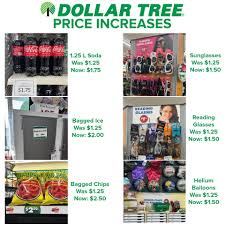
In 2021, Dollar Tree made the unprecedented decision to raise its price point above the iconic one-dollar threshold, testing new prices of $1.25 and even higher in select markets. This strategy aimed to counteract inflation and increasing supply chain costs. According to the company, this price adjustment was necessary to maintain its commitment to quality and variety while supporting its operational expenses.
The decision has sparked mixed reactions among consumers. While some shoppers express disappointment about losing the $1.00 promise, others appreciate the expanded offerings and improved product quality that the new pricing allows. Products that were previously unavailable at a dollar price point now include name-brand items, healthier food choices, and seasonal decor that caters to a broader audience.
Market Response and Implications
Market analysts have noted that Dollar Tree’s price adjustments could reflect broader trends in the retail sector. As inflation continues to rise, many discount retailers are reevaluating their pricing strategies to remain competitive. Following Dollar Tree’s lead, other retailers are likely to consider similar price point enhancements as they navigate economic pressures.
This shift is significant not only for consumers but also for the retail landscape, as it may alter shopping habits and expectations surrounding discount stores. Furthermore, Dollar Tree’s ability to attract and retain customers amid these changes will be crucial for its long-term growth and sustainability.
Conclusion
As Dollar Tree adapts to changing economic conditions through its price point adjustments, shoppers must decide how these changes will influence their purchasing behavior. While the new pricing may mean fewer items at the traditional dollar price, it also opens doors to enhanced product offerings and potential quality improvement. Moving forward, it will be important for consumers to stay informed about these developments and consider their implications on overall spending. As the retail environment evolves, Dollar Tree’s strategic moves could shape the future trajectory of discount retailing in America.