
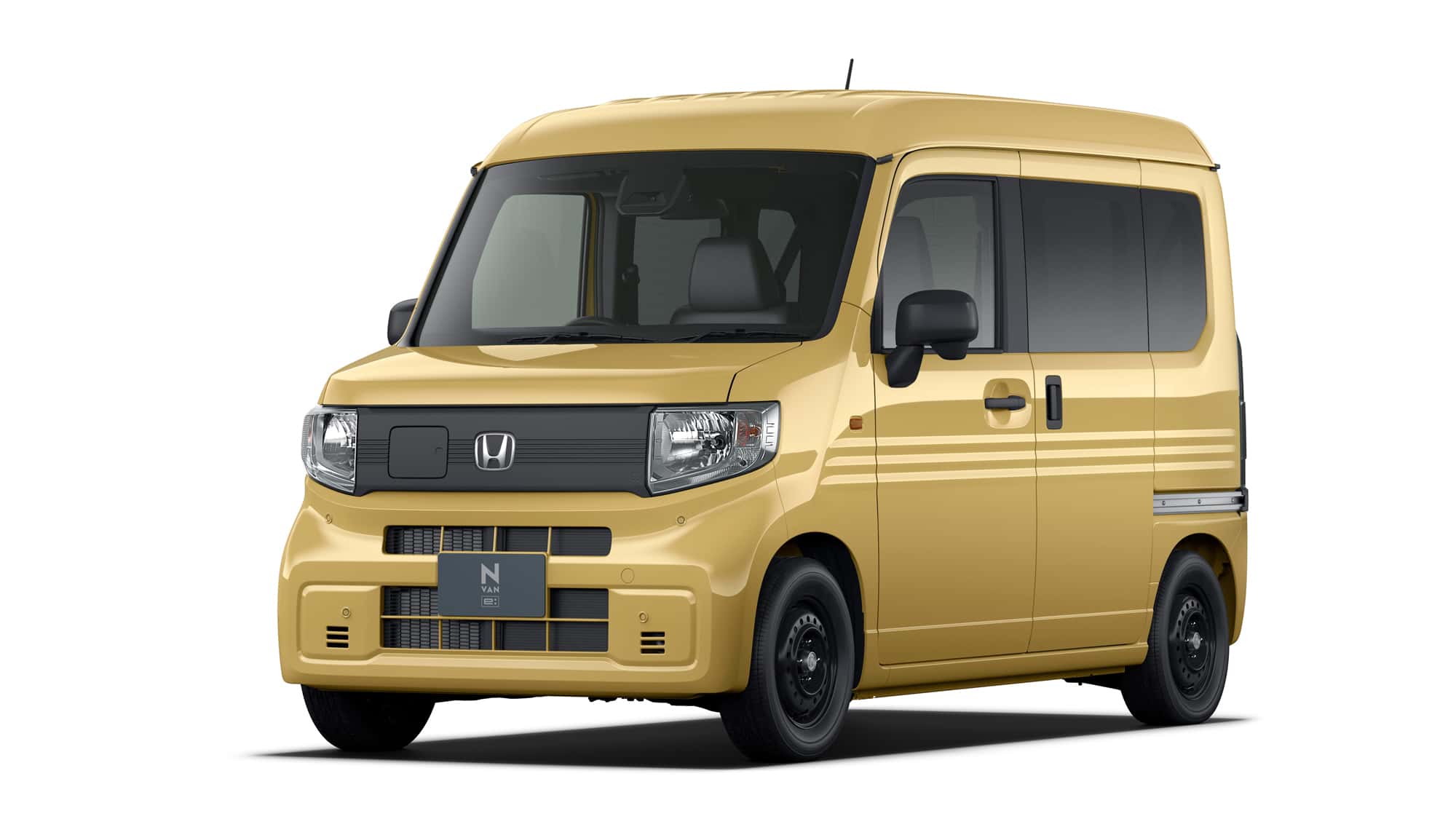
Introduction to Kei Cars
Kei cars, or “K-car”, are a distinctive class of vehicles that originated in Japan in the early 1960s, primarily to promote compact and efficient transportation amidst increasing urbanization. These vehicles are known for their small size, fuel efficiency, and affordability, making them a popular choice among city dwellers. With the rise in environmental consciousness and the need for space-saving solutions in bustling urban areas, kei cars have gained importance not only in Japan but also in international markets.
The Evolution of Kei Cars
Kei cars were introduced to counter the growing number of automobiles which contributed to traffic congestion and pollution in Japan. The Japanese government established regulations in 1955, defining the maximum dimensions of these vehicles at 3.4 meters in length, 1.48 meters in width, and 2 meters in height, alongside a 660cc engine capacity. These specifications ensure that kei cars are remarkably compact, making them easy to navigate on narrow streets.
Over the decades, manufacturers have innovated kei cars to include various styles such as vans, coupés, and even light trucks, catering to a diverse audience. Popular models from manufacturers like Suzuki, Daihatsu, and Honda have showcased modern designs and smart technology, bolstering their appeal.
Current Trends and Global Appeal
In 2023, kei cars continue to thrive, with a significant market share in Japan, constituting about one-third of the nation’s total auto sales. As the automotive industry shifts towards sustainability, kei cars are leveraging their inherent advantages of low emissions and fuel efficiency to position themselves favorably within the eco-friendly vehicle segment. The international automotive landscape is also beginning to take notice, with some manufacturers contemplating the introduction of kei car concepts globally, particularly in densely populated urban areas.
Electric kei cars are also emerging, with models like the Daihatsu Tanto and Suzuki Wagon R transitioning to electric variants, further enhancing their eco-friendliness and operational savings. The demand for these electrified models reflects broader trends in electrification and the shift towards sustainable mobility solutions.
Conclusion: The Future of Kei Cars
As urbanization continues and environmental concerns grow, kei cars stand positioned as a viable transportation solution not just in Japan but potentially in other parts of the world. Their compact designs, cost-effectiveness, and efficiency align with the needs of modern commuters. The ongoing evolution of kei cars, particularly as electric and autonomous technologies advance, signifies their enduring significance in the automobile market. For residents of crowded cities, kei cars may just be the perfect answer to the challenges of modern transportation.