
Introduction
Total War represents a landmark series in the realm of strategy gaming, blending tactical battles with grand strategy and resource management. Since its inception in 2000, the series has captivated millions of players by offering a unique gameplay experience that combines turn-based strategy with real-time combat. Understanding the evolution of Total War is essential for both gamers and industry analysts as it reflects broader trends in gaming design and player engagement.
Historical Context and Development
The first title in the series, Total War: Shogun, introduced players to the feudal Japan era and emphasized strategic planning alongside battlefield tactics. Over the years, Creative Assembly, the company behind Total War, has expanded the series geographically and temporally, introducing numerous titles, including Rome, Medieval, and the more recent Three Kingdoms. Each installment has pushed the envelope in terms of graphical fidelity, AI complexity, and historical accuracy.
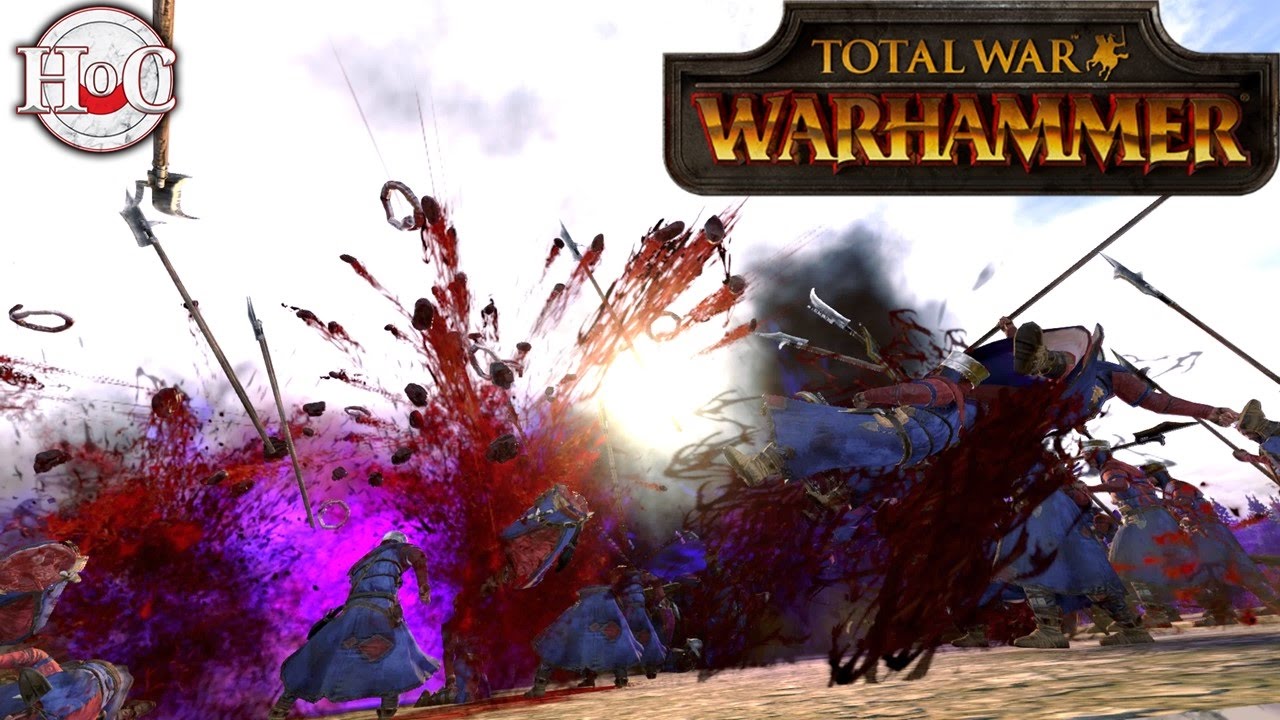
In recent years, Total War has continued to innovate. The introduction of Total War: Warhammer in 2016 marked a significant shift, as it moved away from strict historical settings to embrace a fantasy world. This blend of fantasy and strategy has attracted new audiences while maintaining a core of veteran players.
Recent Events and New Developments
As of October 2023, the latest release, Total War: Pharaoh, explores ancient Egyptian history, allowing players to engage in complex political and military maneuvers during the time of the dynasties. The reception has been largely positive, with players praising the developed battlefield systems and immersive historical narrative.
The game’s success is attributed to its outstanding graphics, intricate gameplay, and a robust modding community that allows players to customize their experiences. Additionally, the introduction of multiplayer modes has enhanced player engagement, making it possible for players to strategize and compete against one another in real time.
Conclusion and Future Prospects
Total War continues to be a beacon within the strategy gaming genre, engaging both casual and hardcore gamers looking for depth and complexity. The combination of its historical settings, innovative gameplay, and community involvement positions it favorably for future releases. As the demand for strategy games grows, so too does the potential for Total War to evolve further, possibly integrating even more advanced technologies such as AI and machine learning to enhance both gameplay and user experience.
Looking ahead, Total War’s ability to adapt to changing player preferences and technological advancements will likely determine its longevity. For fans and newcomers alike, the franchise promises to remain a significant part of the gaming landscape, continuously exploring new historical periods and enhancing its gameplay mechanics.