
Introduction
Norovirus, often referred to as winter vomiting disease, poses a significant public health threat, especially during the colder months. Known for causing sudden outbreaks of gastroenteritis, this highly contagious virus affects millions each year. Understanding its symptoms, transmission, and recent trends is crucial for public awareness and safety, particularly as flu season approaches and health authorities gear up for potential outbreaks.
What is Norovirus?
Norovirus is a group of viruses that cause gastroenteritis, leading to inflammation of the stomach and intestines. Symptoms include severe vomiting, diarrhea, stomach cramps, and nausea, typically appearing 12 to 48 hours after exposure to the virus. Most individuals recover within one to three days, but complications can arise, particularly in vulnerable populations such as the elderly and immunocompromised.
Recent Outbreak Trends
According to the Centers for Disease Control and Prevention (CDC), outbreaks of norovirus tend to peak from November to April. This seasonal trend correlates with increased indoor gatherings during winter months, facilitating viral spread in closed environments like cruise ships, nursing homes, and schools. In the last year, several notable outbreaks have been reported across the United States, prompting health officials to emphasize prevention strategies.
Transmission and Prevention
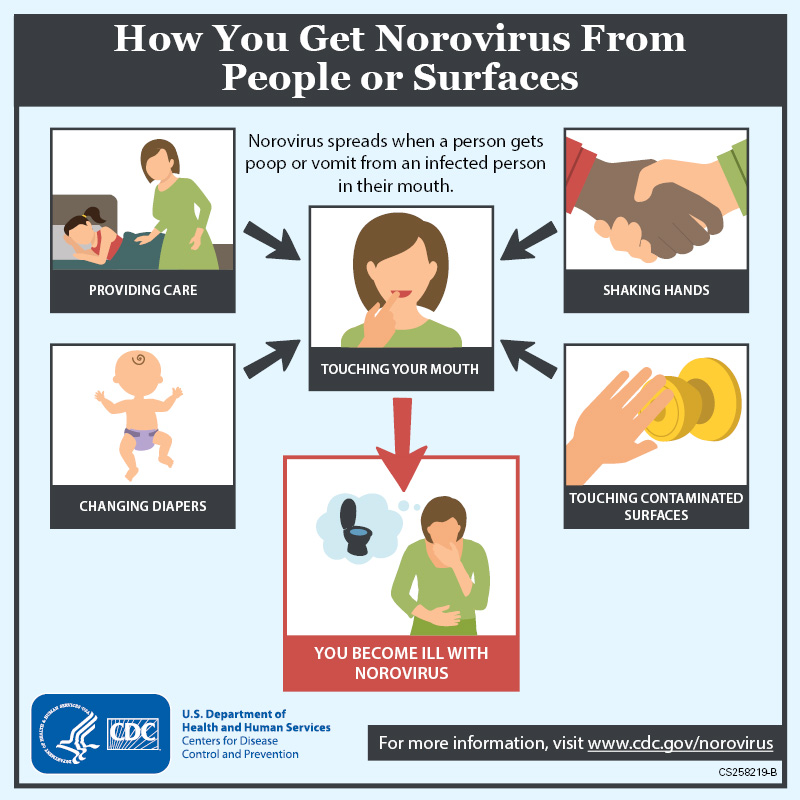
Norovirus spreads primarily through contaminated food and water, direct contact with an infected individual, or touching contaminated surfaces. Health experts recommend several preventive measures: wash hands thoroughly with soap and water, especially after using the bathroom or before preparing food; disinfect surfaces with a bleach-based cleaner; and avoid food preparation if symptomatic.
Conclusion
As the season for norovirus approaches, awareness and proactive measures are essential in mitigating the spread of this highly infectious virus. Health officials continue to monitor outbreak patterns closely and advise the public to adhere to hygiene protocols. Individuals who experience symptoms should remain vigilant and seek medical help when needed. The community’s collective effort in practicing good hygiene habits can significantly reduce norovirus transmission, promoting a healthier winter season for all.