
Introduction
School delays have become a significant issue across the United States, affecting families, students, and educational institutions. These delays can stem from a variety of factors, including weather conditions, transportation problems, and public health concerns. Understanding the causes and consequences of school delays is essential for educators and parents alike, as it impacts not only immediate schedules but also long-term educational outcomes.
Recent Events Surrounding School Delays
Throughout the past month, various regions of the U.S. have experienced notable school delays. For example, heavy snowfall across the Midwest led to widespread school closures, disrupting learning for thousands of students. Additionally, ongoing pandemic-related guidelines have caused delays in school openings as authorities prioritize health protocols. According to the National Center for Education Statistics (NCES), about 25% of school districts reported at least one delay or closure in the past academic year due to COVID-19 outbreaks.
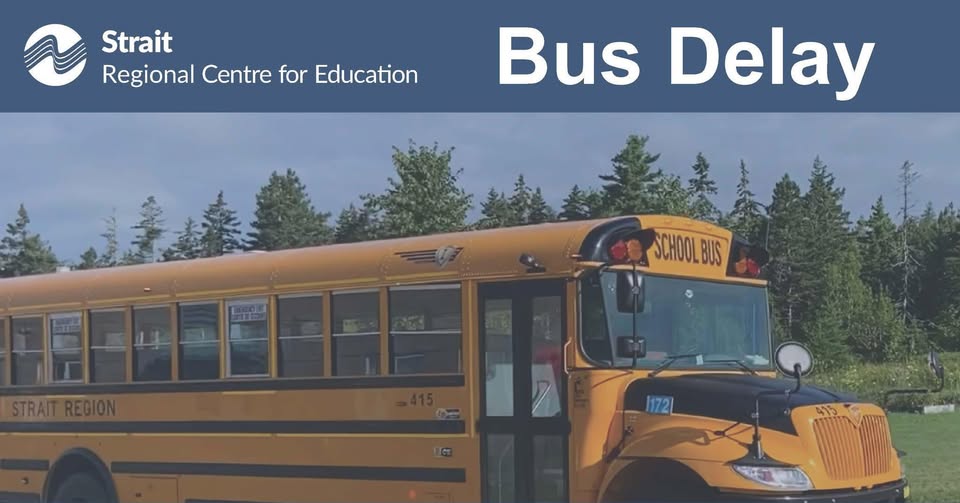
Moreover, transportation issues continue to plague many districts, with bus driver shortages exacerbating the situation. A survey by the National Association of Pupil Transportation found that nearly 80% of school districts face challenges in maintaining adequate transportation staff, leading to further delays in school start times.
Consequences of School Delays
The ramifications of these school delays are profound. Studies indicate that disruptions in the school calendar can adversely affect student achievement, particularly in critical subjects such as math and reading. According to research from the Rand Corporation, students experience a decline in performance following extended breaks or delays, reinforcing the importance of consistent educational experiences.
Moreover, delays can place added pressure on parents and guardians, forcing them to reorganize their schedules for childcare and work commitments. This juggling act can lead to increased stress levels among families and can disproportionately affect lower-income households that may not have flexible job options.
Conclusion
As school delays continue to present challenges, it is imperative for educational authorities to develop mitigation strategies. This may include investing in alternative transportation resources or enhancing remote learning capabilities during closures. Additionally, ongoing communication with families can help alleviate uncertainties related to school schedules.
Looking ahead, it is crucial that school districts prioritize stability in educational delivery, ensuring that all students have the opportunity to succeed despite the challenges posed by delays. Families and educators must remain proactive, advocating for solutions that benefit the entire community during these turbulent times.