
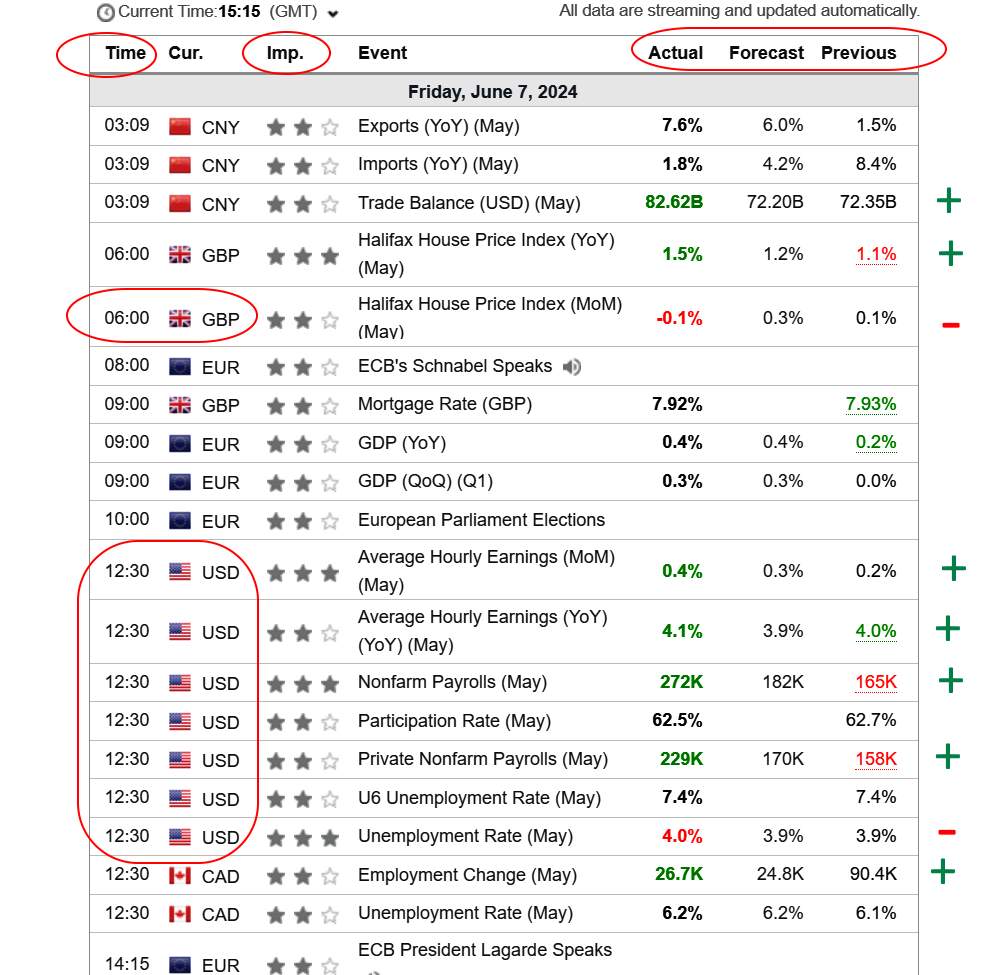
Introduction to the Economic Calendar
The economic calendar is a vital tool for traders, investors, and economists, as it provides scheduled events, reports, and indicators that can impact the market. Keeping track of these events is crucial for making informed financial decisions, understanding market trends, and forecasting economic performance.
Key Components of the Economic Calendar
The economic calendar features a variety of economic indicators including GDP reports, employment statistics, central bank meetings, inflation figures, and trade balance data. Each event is typically accompanied by a scheduled release time and an analysis of its expected impact on the economy and financial markets. For instance, a positive jobs report may bolster investor confidence, while a decrease in consumer spending could signal a potential downturn.
Recent Trends and Events
As of October 2023, the economic calendar has been notably influenced by ongoing shifts in global inflation and interest rates. In recent weeks, the Federal Reserve’s decision to maintain interest rates has captured the attention of investors, causing fluctuations in the stock market and changes in currency valuation. Upcoming events such as the quarterly GDP announcement and CPI data are highly anticipated, with analysts closely monitoring for any signs of economic stability or decline.
Utilizing the Economic Calendar
To effectively use an economic calendar, investors should familiarize themselves with key economic indicators and their historic impacts on the market. Traders often adjust their strategies based on the anticipated outcomes of these events. For example, Forex traders may align their trades with central bank meeting schedules, while equity investors might adjust their portfolios based on upcoming earnings reports influenced by economic trends.
Conclusion and Future Outlook
In conclusion, the economic calendar remains an essential element in the toolkit of anyone involved in financial markets. As global economies continue to navigate challenges such as inflation and geopolitical tensions, the accuracy and timeliness of data provided are more important than ever. Looking ahead, analysts predict that the economic calendar will remain a vital resource for tracking market recovery and growth as businesses adapt to changing economic conditions. Individuals and businesses alike are encouraged to stay informed of upcoming events to make strategic financial decisions.