
Introduction
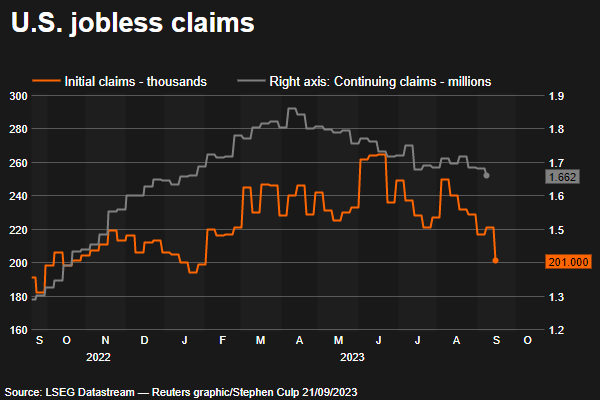
Jobless claims, an important indicator of labor market health, have seen a significant rise in recent weeks. This trend highlights ongoing economic challenges as many individuals continue to face unemployment. Understanding these claims is crucial as they reflect not only individual hardships but also broader economic conditions affecting consumers and businesses alike.
Current Trends in Jobless Claims
According to the latest report from the U.S. Department of Labor, the number of initial jobless claims jumped to 261,000 for the week ending October 14, 2023. This marks an increase of 15,000 from the previous week, suggesting that the job market may be cooling. Economists had projected a slightly lower number, reflecting ongoing concerns about potential layoffs due to rising interest rates and inflation.
The increase in jobless claims is notable as it shows a deviation from the patterns seen earlier in the year, when the labor market was deemed resilient. Analysts attribute this rise to several factors, including recent business closures and a slowdown in hiring across various sectors.
Impact on the Economy
The rise in jobless claims raises questions about the overall economic recovery, particularly as the Federal Reserve maintains its stance on controlling inflation through interest rate hikes. Such measures can impact employment rates and job security for many workers. The sectors most affected include retail, hospitality, and manufacturing, which are often sensitive to economic fluctuations.
Furthermore, economists warn that prolonged high jobless claims could result in decreased consumer spending, which is a critical driver of economic growth. As more individuals rely on unemployment benefits, there may be additional strain on governmental resources and financial assistance programs.
Conclusion: Looking Ahead
The ongoing rise in jobless claims underscores the challenges faced by the American workforce. As uncertainty looms over economic conditions, businesses and workers must navigate these turbulent waters. Analysts suggest that monitoring trends in jobless claims will be critical, as it provides valuable insights into labor market health and potential recovery.
Moving forward, stakeholders will need to reassess strategies to promote job creation and stability within the workforce. Observers also anticipate that government intervention may be necessary to support unemployed individuals and bolster economic confidence moving into 2024.