
Introduction
Flu symptoms are a critical topic during the fall and winter months when influenza becomes prevalent. Understanding these symptoms is essential for early diagnosis and treatment. The flu can lead to severe health complications, especially in vulnerable populations such as the elderly and those with pre-existing conditions. This article explores common flu symptoms and their implications, helping readers stay informed and prepared.
Main Body
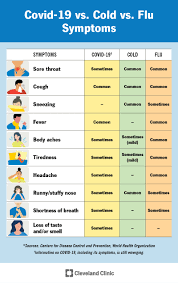
The flu, caused by influenza viruses, typically manifests with sudden onset. Symptoms generally include fever, body aches, fatigue, and cough. According to the Centers for Disease Control and Prevention (CDC), additional signs may include sore throat, runny or stuffy nose, headaches, and chills. Some patients may also experience gastrointestinal symptoms such as nausea or diarrhea, though these are less common in adults.
This year’s flu season has already shown a spike in cases, with the CDC reporting that hospitalization rates have increased compared to the previous year. As of early October 2023, emergency departments across the country have noted a rise in patients seeking care for flu-like illnesses. Many individuals may overlook symptoms at first, attributing them to a common cold; however, early intervention can be key in minimizing the impact of the virus.
Health professionals are urging the public to be vigilant and recognize the difference between the common cold and the flu. While cold symptoms are generally mild and develop gradually, the flu hits hard and fast. Most people will recover in a few days to less than two weeks, but some may develop serious complications, including pneumonia, bronchitis, and sinus infections.
Conclusion
Flu symptoms play a pivotal role in maintaining public health, especially during peak seasons. Recognizing these symptoms can lead to timely medical intervention, reducing the potential for severe complications. Health officials encourage everyone to consider vaccination as the flu vaccine is one of the most effective ways to reduce illness and prevent hospitalizations. As flu season progresses, being informed about flu symptoms allows individuals to take proactive measures for themselves and their communities.