
Introduction
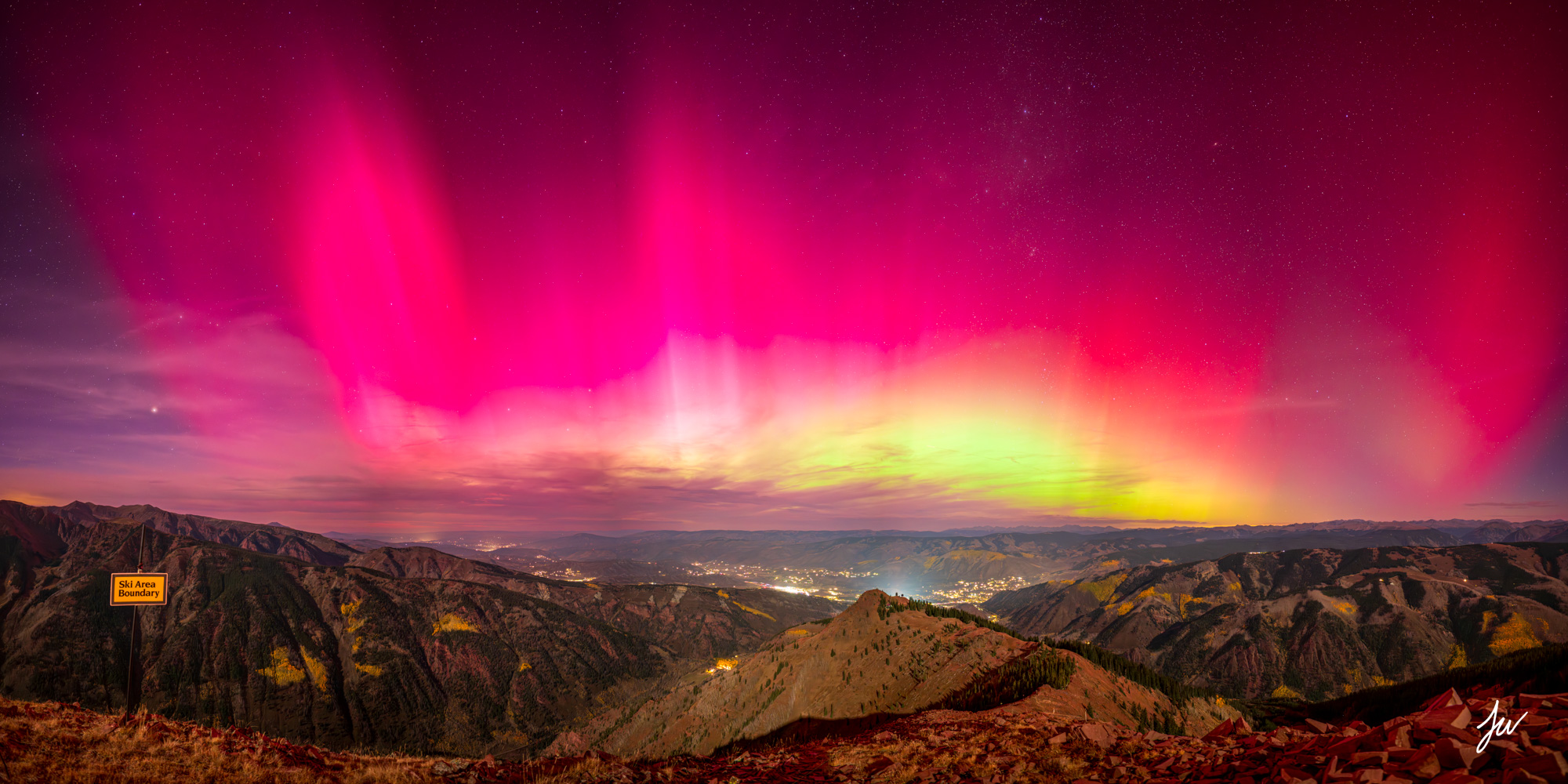
The Northern Lights, or Aurora Borealis, are a breathtaking natural phenomenon that captivate stargazers and nature enthusiasts alike. Visible primarily in polar regions, the aurora presents vibrant displays of light in the night sky, drawing millions to witness this stunning spectacle. Understanding the Northern Lights forecast is crucial for viewers hoping to experience this wonder, particularly as changes in solar activity can significantly impact visibility.
What Affects the Northern Lights?
The Northern Lights are caused by particles from the sun colliding with gases in Earth’s atmosphere. Solar storms and coronal mass ejections (CMEs) can increase the chances of observing the aurora. Monitoring space weather is essential for accurate forecasts. For example, the National Oceanic and Atmospheric Administration (NOAA) provides real-time updates on solar activity, which can indicate heightened aurora activity.
Current Forecast for Aurora Observations
<pAs of mid-October 2023, the forecast predicts enhanced solar activity due to a recent solar flare, indicating a strong possibility of auroras in the northern parts of the United States, including locations like Alaska and parts of Minnesota. Forecasters anticipate that the conditions will remain favorable over the next few nights, particularly from October 15 to October 17, 2023. Meanwhile, individuals in Canada, especially in regions like Yukon and the Northwest Territories, may also enjoy outstanding views of the aurora borealis.
Best Practices for Viewing the Aurora Borealis
To maximize the chances of witnessing the Northern Lights, consider the following tips:
- Check the Forecast: Regularly consult reliable meteorological sources, such as NOAA’s Space Weather Prediction Center, for updates.
- Choose the Right Location: Seek dark locations away from city lights, like national parks or remote areas, for the best visibility.
- Time Your Viewings: The best time to view the aurora is generally between 10 PM and 2 AM, when the sky is darkest.
- Be Patient: Natural phenomena can be unpredictable. Allow time for shifts in weather or solar activity.
Conclusion
The Northern Lights remain one of nature’s most enchanting displays, and autumn is a prime season for aurora sightings. With an accurate aurora forecast at hand, enthusiasts can plan their outings to align with the best viewing opportunities. As solar activity peaks, the excitement builds for observers eager to witness this awe-inspiring spectacle in person. Stay connected with weather updates as you prepare to experience the magic of the aurora borealis this season.