
Introduction
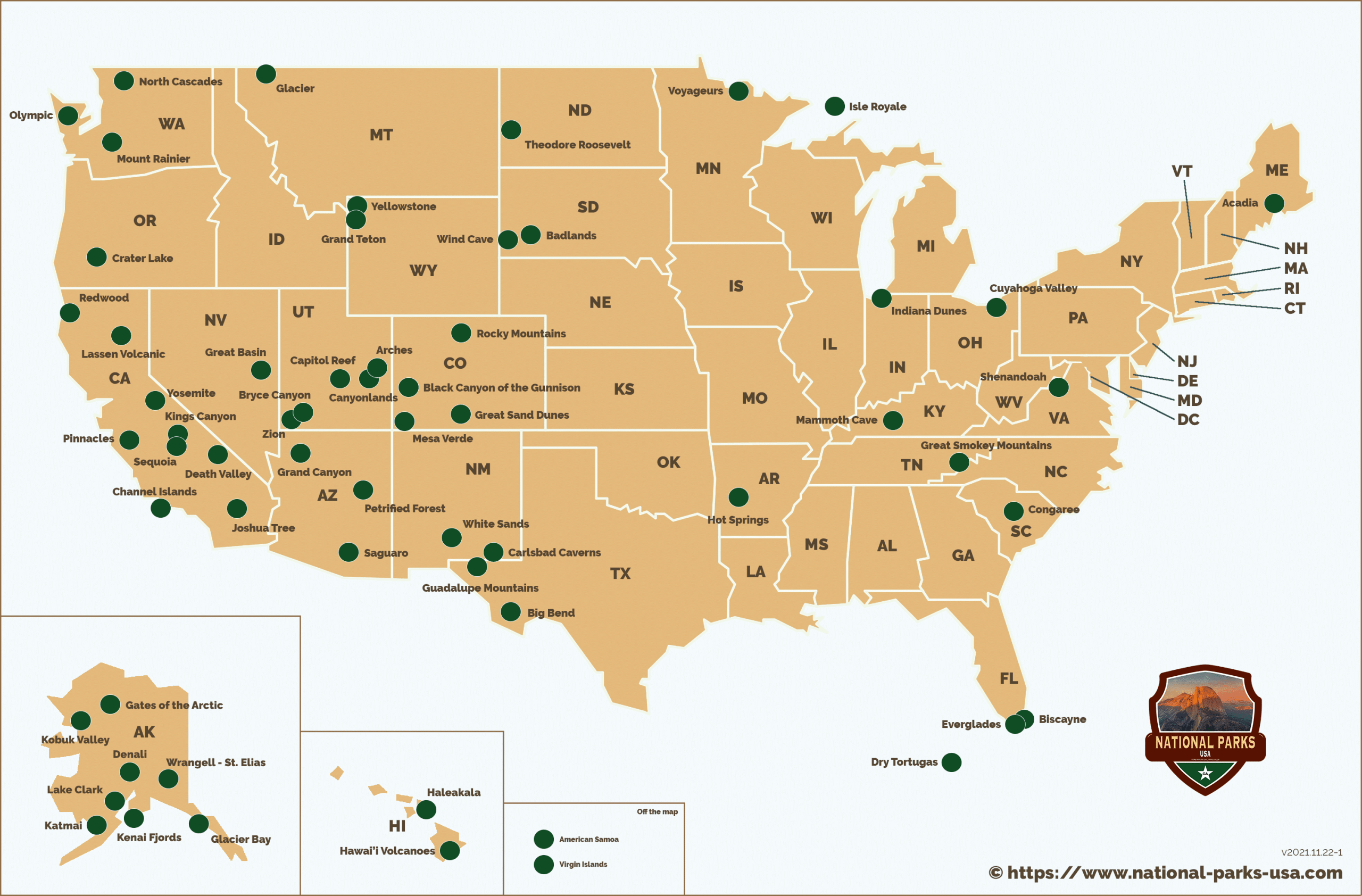
National parks in the USA are not just scenic landscapes; they represent America’s commitment to preserving the natural beauty and cultural heritage of the country. Established to protect unique ecosystems and historic sites, these parks offer vital recreational opportunities, educational experiences, and habitat preservation for countless species. With increasing awareness of environmental issues, the importance of these national treasures continues to grow, making it critical to examine their significance and the challenges they face.
National Parks: A Brief Overview
As of 2023, the National Park Service manages 63 designated national parks across the United States, attracting millions of visitors each year. Among the most notable are Yellowstone, the first national park in the world, established in 1872, and the majestic Grand Canyon, both iconic symbols of the American wilderness. Together, these parks protect diverse ecosystems ranging from deserts and wetlands to mountains and forests, ensuring that wildlife can thrive while offering visitors a chance to connect with nature.
Challenges Facing National Parks
While national parks are vital for conservation, they face several challenges, including climate change, overcrowding, and funding shortages. Climate change poses serious threats to the delicate ecosystems within parks, causing shifts in animal migrations, plant growth patterns, and increased frequency of wildfires. Additionally, many parks struggle with high visitor numbers, which can lead to environmental degradation and affect the overall visitor experience. The National Park Service has been actively working on strategies to mitigate these issues, including implementing visitor management systems and investing in sustainable practices.
Future of National Parks
Looking forward, the future of national parks in the USA hinges on conservation efforts, public awareness, and legislative support. Initiatives aimed at promoting eco-tourism and responsible visiting practices are being developed to ensure that these parks remain protected for future generations. As more people recognize the importance of preserving natural spaces, the hope is that funding and resources will increase, allowing for better management and protection measures. Furthermore, educational programs aimed at fostering a deeper connection between people and nature will empower future stewards of these lands.
Conclusion
National parks in the USA are not only breathtaking places to explore but are essential to preserving the nation’s natural and cultural heritage. As visitors flock to these parks, the importance of responsible stewardship and ongoing conservation efforts cannot be overstated. By supporting national parks through advocacy, visiting responsibly, and promoting sustainability, we can ensure that these irreplaceable treasures remain for generations to come.