
Introduction
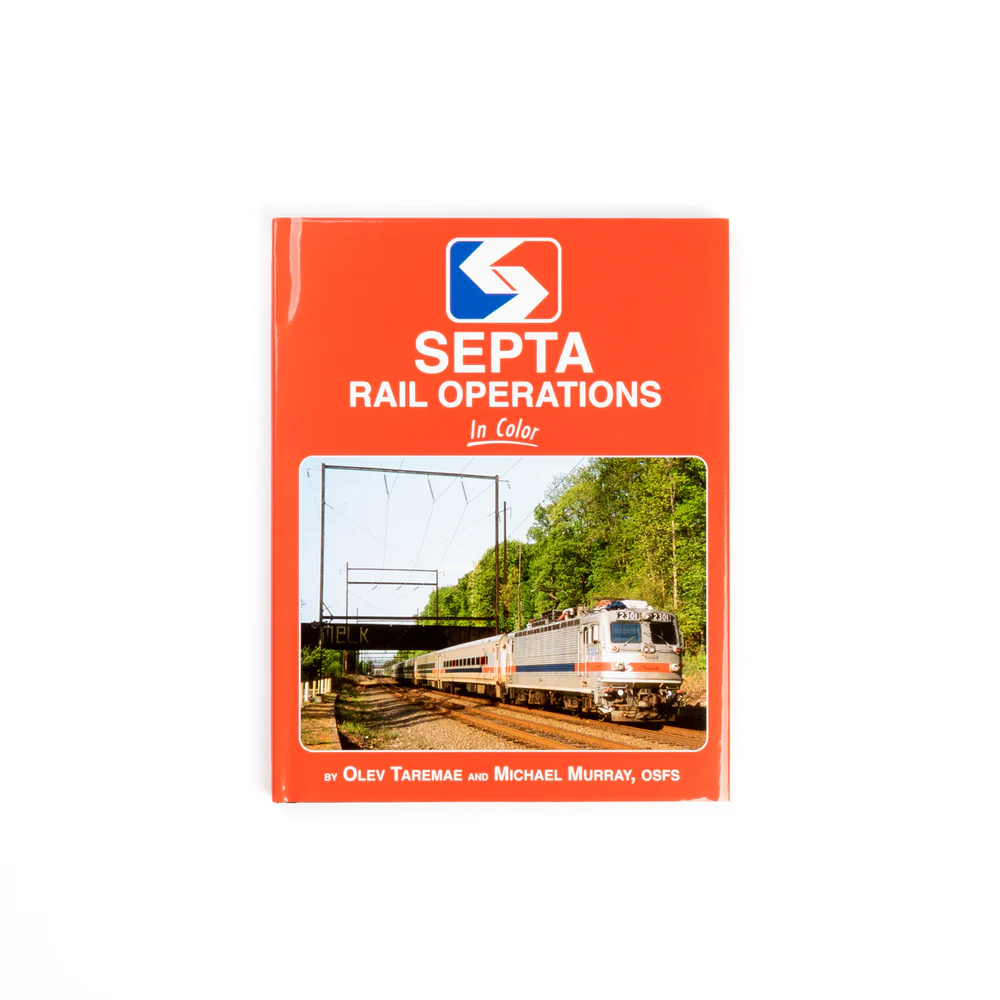
The Southeastern Pennsylvania Transportation Authority (SEPTA) is a critical component of daily commuting for residents in the Greater Philadelphia area. With its extensive network of buses, trolleys, and trains, SEPTA facilitates public transit for millions. As cities increasingly grapple with congestion and environmental concerns, efficient public transportation systems like SEPTA are essential for sustainable urban mobility.
Current Operations and Challenges
As of late 2023, SEPTA operates routes across the city and surrounding counties, serving over 300,000 riders daily. However, the authority faces numerous challenges, including budget constraints and the lingering impacts of the COVID-19 pandemic, which altered commuting patterns. Ridership has not fully returned to pre-pandemic levels, leading to concerns about funding and service cuts. Furthermore, ongoing infrastructure upgrades, particularly on aging rail lines and stations, necessitate substantial investment.
Funding and Future Development
In response to these issues, SEPTA has implemented a strategic plan focusing on modernization and improved services. The agency announced a multi-year capital budget of $2 billion, aiming for enhancements in safety and efficiency through technology upgrades. This includes upgrading the regional rail system, enhancing signals, and expanding the service frequency on bus and trolley routes. These initiatives are designed to attract back riders and improve overall system reliability.
Public Engagement and Environmental Commitment
SEPTA has also focused on public engagement, hosting community meetings to gather feedback and adjust services to better meet the needs of the community. Furthermore, as part of its long-term strategy, SEPTA is committed to environmental sustainability, collaborating with local governments to promote emissions reduction through increased public transit use. This initiative aligns with broader regional goals of reducing traffic congestion and improving air quality.
Conclusion
In a rapidly evolving urban landscape, SEPTA’s efforts to enhance transit services represent a significant move toward sustainable transportation solutions in Philadelphia. With continued investment in infrastructure and a commitment to improving rider experience, SEPTA aims to reclaim lost ridership and meet the changing needs of its community. For residents of the Greater Philadelphia area, SEPTA remains a vital service that will shape the future of urban mobility.