
Introduction
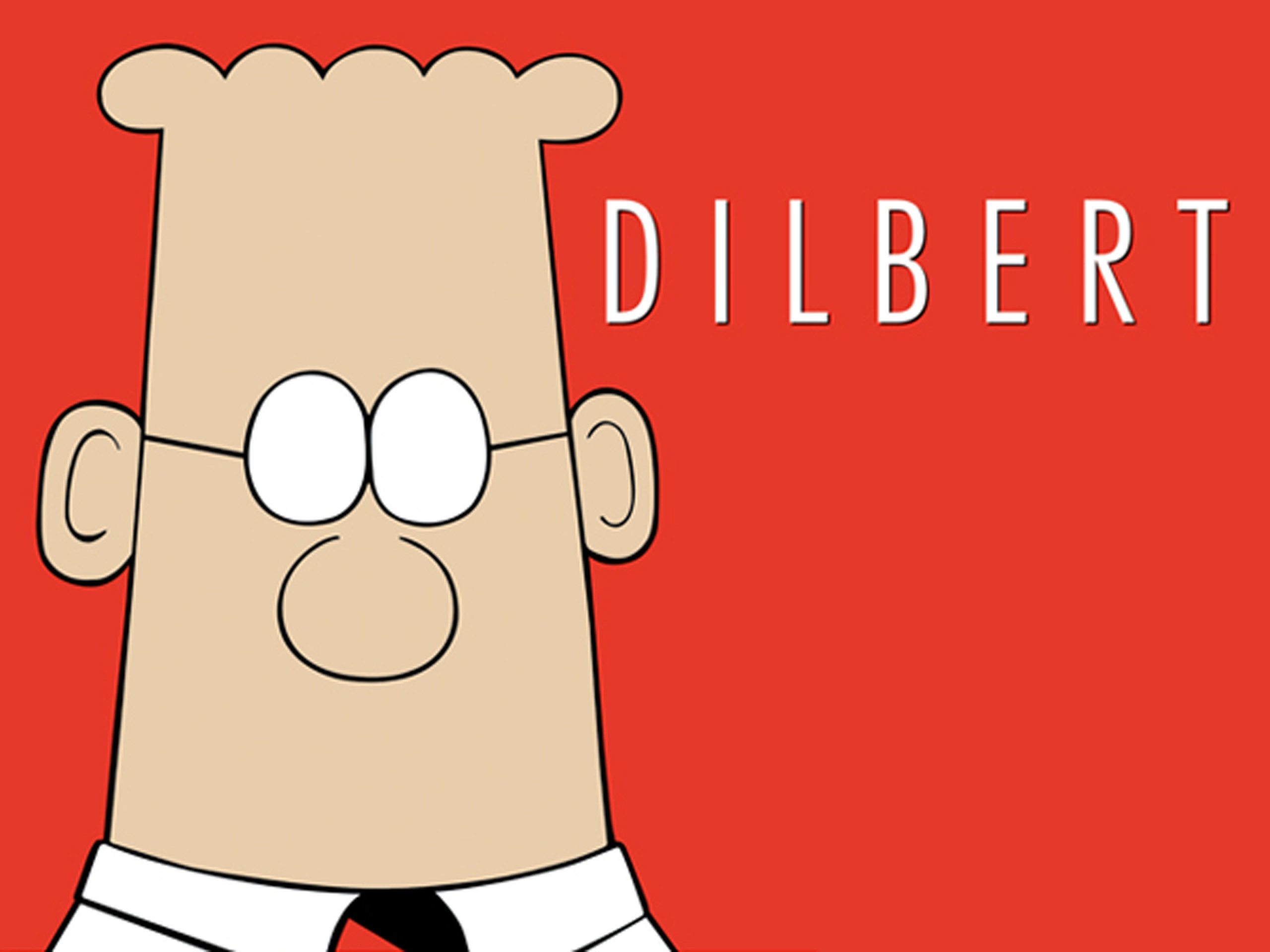
The Dilbert comic strip, created by Scott Adams, has long served as a mirror reflecting the absurdities of corporate culture. With its trademark satirical humor, Dilbert critiques the challenges faced by employees in the modern workplace. As the landscape of work continues to evolve due to advances in technology and changes in management styles, Dilbert’s relevance has never been greater.
Recent Developments in the Dilbert Universe
In recent weeks, the cartoon has made headlines not just for its humor but also due to Scott Adams’ controversial statements and their impact on the brand. The harsh critique of remote work and corporate policies swiftly ignited conversation among fans and critics alike. As companies reassess hybrid and remote models of work following the pandemic, the insights provided in Dilbert offer both laughter and serious reflection on the dynamics of office life.
Moreover, Adams’ characterizations of workplace scenarios have taken on new dimensions as issues such as mental health, diversity, and employee well-being become increasingly prevalent in corporate discussions. In a survey conducted by Gallup, over 62% of employees reported feeling burnt out, a topic that has seeped into recent Dilbert strips, resonating with many who relate to the depicted struggles.
The Cultural Impact of Dilbert
Since its debut in 1989, Dilbert has transcended the comic page, influencing workplace discussions, management practices, and even corporate training programs. Its impact can be seen in the way employees articulate disenchantment with tasks that feel mindless or bureaucratic. The series prompts critical conversations about transparency and employee empowerment. The recent return of Dilbert to the forefront of these discussions underscores its continued significance in representing the employee experience.
Conclusion
As organizations navigate post-pandemic realities with hybrid work, Dilbert remains a vital cultural touchstone, capturing the ongoing evolution of corporate culture. The mixture of humor and candid commentary allows it to maintain relevance despite changing work environments. As the debate continues over the best ways to foster productivity and employee satisfaction, Dilbert serves as both a source of entertainment and a catalyst for discussion, reminding readers that while the workplace may evolve, the fundamental challenges often remain the same.