
Introduction
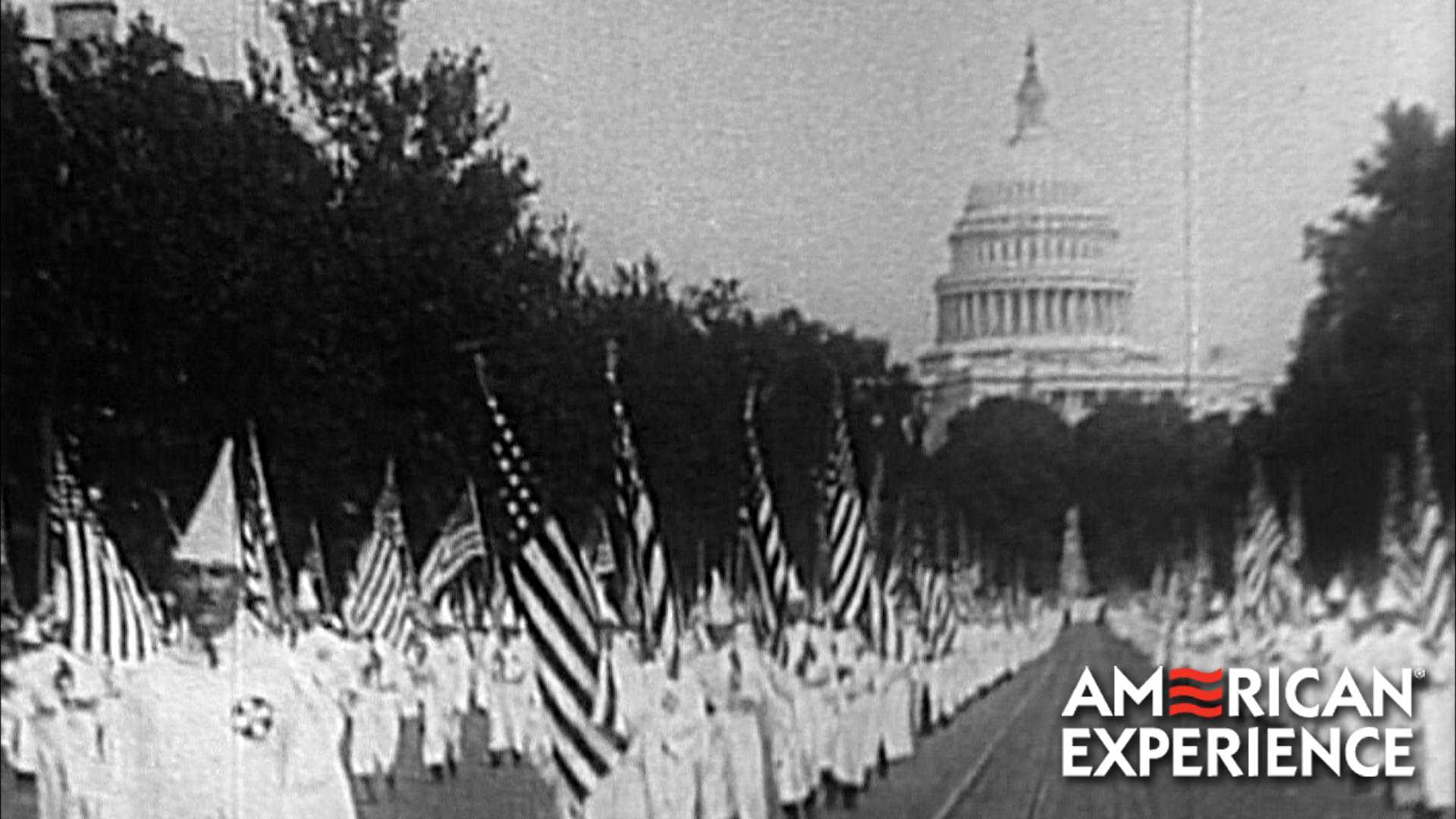
The Ku Klux Klan Act, commonly referred to as the KKK Act, was passed in the aftermath of the Civil War in 1871 to combat the rampant violence and intimidation perpetrated by the Ku Klux Klan (KKK) against African Americans and their allies. Understanding the KKK Act is vital as it lays the groundwork for civil rights protections in the United States and continues to inform contemporary discussions about hate crimes and domestic terrorism.
Historical Context
The KKK Act was enacted during a tumultuous period in American history known as Reconstruction, when the United States grappled with the integration of formerly enslaved individuals into society. The KKK emerged as a white supremacist group that sought to undermine the progress made towards racial equality through violent means, including lynching and intimidation. The Act aimed to provide federal protection to citizens against these violent acts and empower the federal government to intervene in states that failed to protect their citizens.
Key Provisions of the KKK Act
The KKK Act contains several significant provisions, most notably Section 1983, which allows individuals to bring civil lawsuits for violations of constitutional rights. This provision has been a powerful tool in modern civil rights cases, allowing victims of police brutality, discrimination, and other forms of injustice to seek redress.
Recent Developments
In recent years, the relevance of the KKK Act has resurfaced as hate groups have gained visibility and activity has increased in various parts of the United States. Movements advocating for racial justice have highlighted the importance of enforcing the provisions of the KKK Act as part of broader efforts to combat hate crimes. In 2021, there were significant calls for the federal government to use the Act to counteract the rise in hate crimes against Asian American and Pacific Islander communities, demonstrating its ongoing applicability.
Conclusion
The KKK Act remains a crucial component of the United States’ legal framework for protecting civil rights. Its historical context illustrates the ongoing struggle against domestic terrorism and hate crimes. As we continue to combat the resurgence of hate-based violence, the Act serves as a reminder of the need for vigilance in upholding civil liberties for all citizens. Moving forward, policymakers and advocates may look to the KKK Act as a blueprint for addressing contemporary issues of injustice and discrimination.