
Introduction
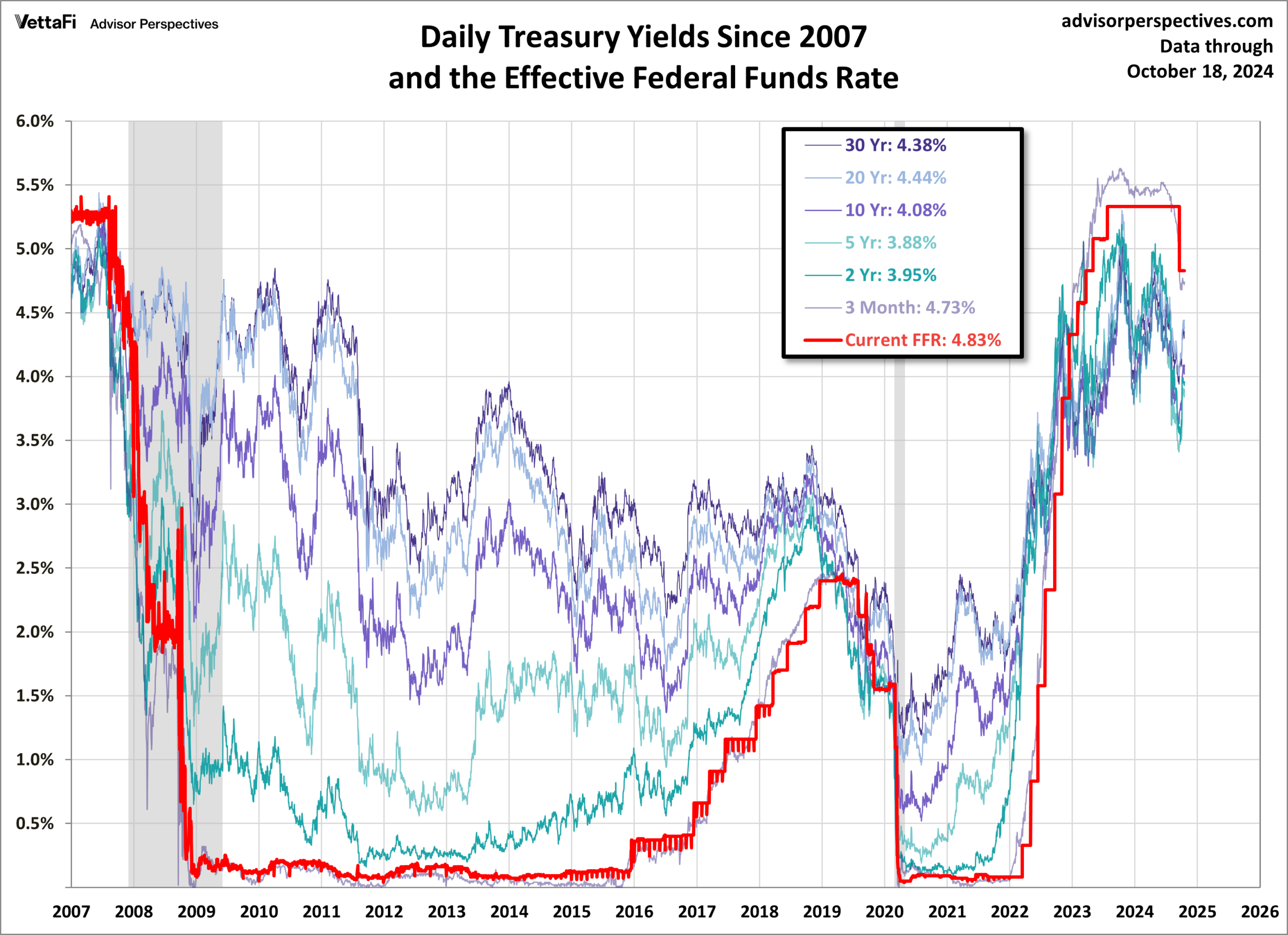
The 10 Year Treasury yield is a crucial indicator of economic health, as it reflects investor confidence and future interest rate expectations. With the ongoing fluctuations in the financial markets, the 10 year treasury yield has captured the attention of investors, policymakers, and economists alike. Its movements can significantly influence borrowing costs for consumers and businesses, making it essential to understand its implications.
Current Trends in the 10 Year Treasury Yield
As of late October 2023, the 10 Year Treasury yield stands at approximately 4.10%, marking a slight increase from the previous month’s 3.90%. This rise is attributed to a combination of factors, including the Federal Reserve’s ongoing interest rate hikes aimed at curbing inflation, which has persisted above the target rate of 2%. Economic indicators such as strong labor market data and robust consumer spending have also contributed to investor expectations of prolonged higher rates.
The yield on the 10 Year Treasury note plays a pivotal role in setting the backdrop for other interest rates across the economy. Mortgage rates, for example, are closely associated with the movement of the 10 year yield. As yields rise, so do mortgage rates, impacting housing affordability and potentially slowing down the real estate market.
Market Reactions and Investor Sentiment
The recent uptick in the 10 Year Treasury yield has led to increased volatility in the stock market, particularly impacting sectors sensitive to interest rates, such as technology and consumer discretionary. Investors are adjusting their portfolios in response to fears of tightening financial conditions, as the higher yields imply more expensive financing costs.
Bond markets are also reacting to the changes; with yields climbing, demand for existing bonds at lower rates decreases, leading to price declines. This scenario has prompted discussions regarding the potential for a bond market correction.
Conclusion
The 10 Year Treasury yield serves as a barometer for economic sentiment and federal monetary policy. As it continues to rise in the current economic climate, its effects on the broader financial landscape are significant. For investors, understanding these dynamics is critical in making informed decisions. Monitoring the 10 year Treasury yield will remain essential as it could herald changes in financial strategies across sectors. In conclusion, both consumers and investors should remain vigilant about the implications of the shifting yields on their financial health and investment strategies.