
Introduction
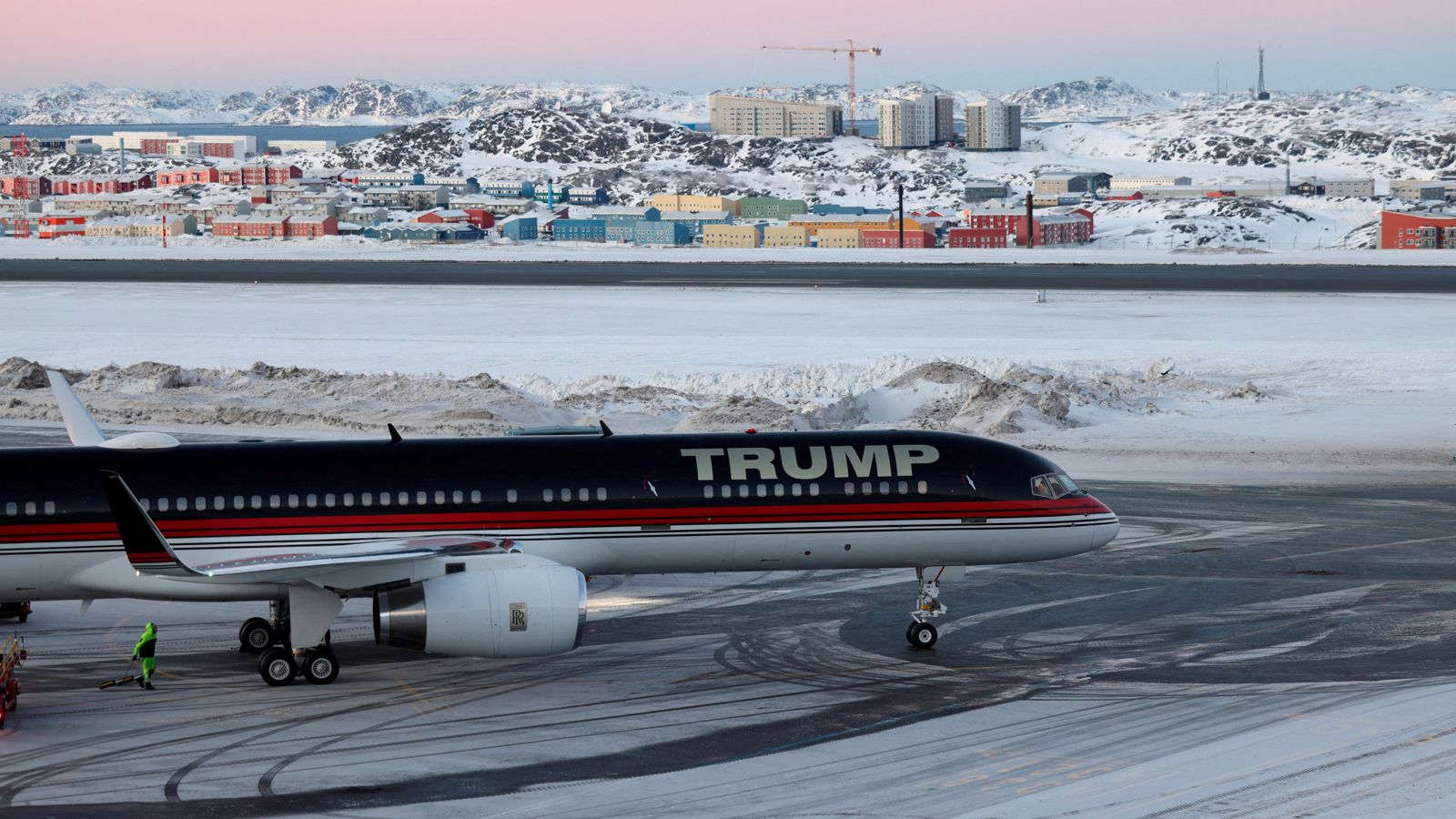
The discussion around why former President Donald Trump expressed interest in purchasing Greenland still resonates in political and economic circles today. This unusual geopolitical topic gained significant attention during Trump’s presidency, raising questions about motives, strategy, and broader implications for U.S. foreign policy. Understanding these dimensions helps clarify the ongoing significance of this issue.
The Context of Trump’s Interest
Trump’s interest in Greenland surfaced publicly in 2019 when he suggested the U.S. should buy the autonomous territory of Denmark. This proposal was met with swift criticism and was dismissed by Danish Prime Minister Mette Frederiksen, who referred to it as ‘absurd.’ However, Trump’s fascination with Greenland can be dissected into several critical aspects.
Geopolitical Strategy
One major argument for acquiring Greenland revolves around its strategic location. Situated between North America and Europe, Greenland holds a significant position in terms of military and shipping routes. Experts suggest that maintaining a foothold in the Arctic could enhance U.S. influence in a region increasingly important for global trade and national security, especially with Russian and Chinese interests growing.
Natural Resources
Greenland is rich in natural resources, including rare earth minerals, which are critical for modern technology and renewable energy. As countries vie for energy independence and seek to transition to sustainable practices, the potential access to these resources becomes increasingly tantalizing. Trump’s administration emphasized the importance of resource acquisition, which would motivate the interest in Greenland.
Historical Interest
It is worth noting that the U.S. has a historical connection to Greenland. The United States has maintained a military base in Thule, Greenland since World War II, demonstrating an existing strategic stake in the region. This historical context lends credence to the idea that securing more formal control over Greenland could be viewed as an extension of existing ties.
Conclusion
While Trump’s proposal to purchase Greenland generated a wave of media attention and political debate, the implications of such an acquisition highlight important themes in U.S. foreign policy. Greenland’s strategic location, abundant natural resources, and existing military presence make it a valuable asset on the global stage. As geopolitical dynamics continue to evolve, particularly in the Arctic region, discussions surrounding Greenland may resurface, revealing deeper strategies that extend beyond mere land acquisition.