
Introduction
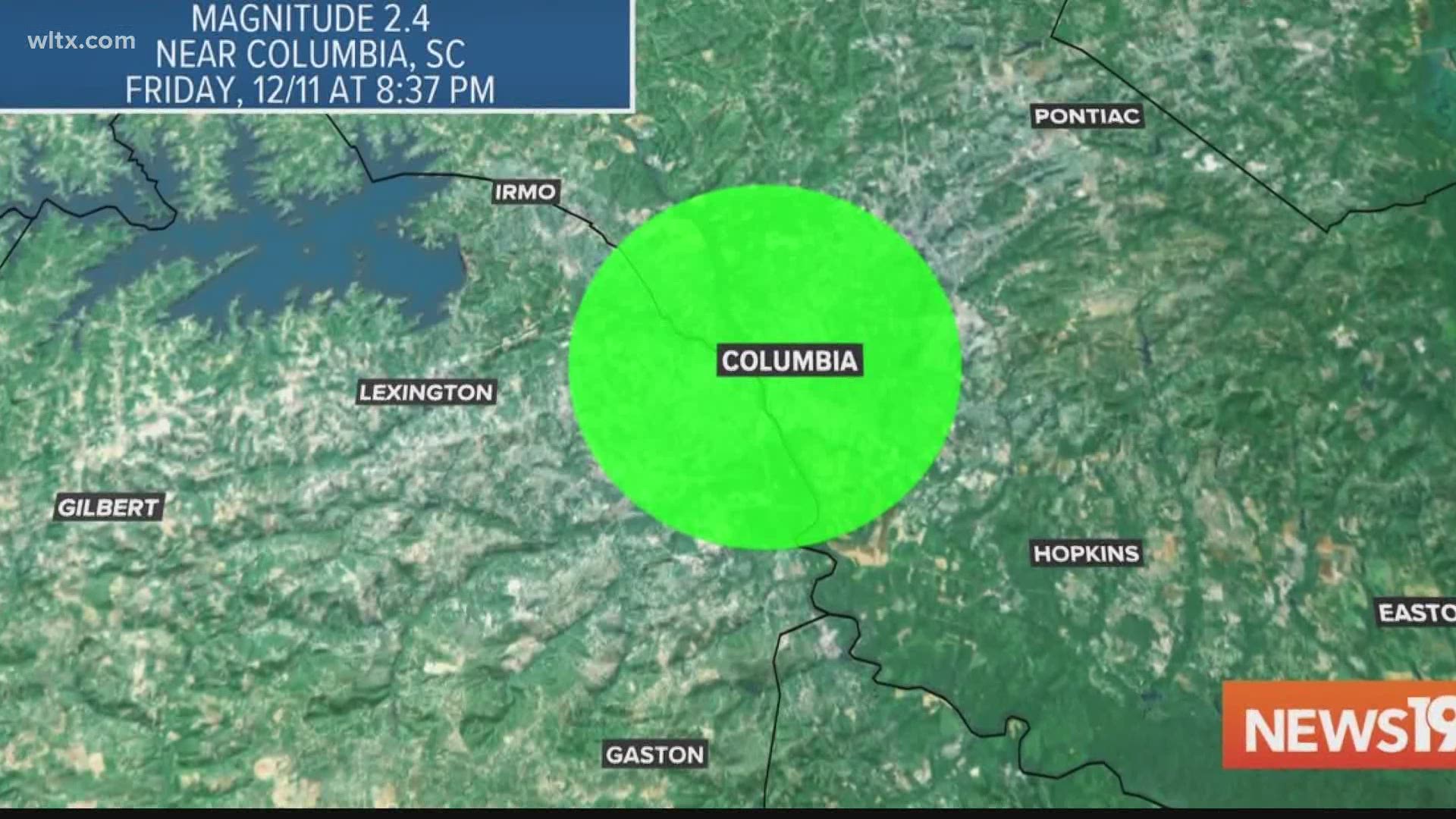
On the morning of March 30, 2023, residents of Columbia, South Carolina experienced a tremor that shook buildings and rattled nerves. The earthquake, measuring 4.1 on the Richter scale, caught many by surprise, as such seismic activity is relatively rare in this region of the southeastern United States. Understanding the implications of this earthquake and the measures residents should take is crucial for safety and preparedness in the future.
Details of the Earthquake
The epicenter of the earthquake was located just outside of Columbia, approximately 10 miles northeast of the city center. Reports indicated that the tremor occurred at around 10:15 AM, with shaking felt by residents in nearby counties, including Lexington and Richland. Local authorities received numerous calls reporting structural damage, although no injuries were reported. Building inspectors quickly assessed the situation, focusing on older structures that may have been more vulnerable to the shaking.
Response from Authorities
The South Carolina Emergency Management Division immediately activated response protocols. Officials urged residents to remain calm and check for safety hazards in their homes. The Mayor of Columbia, Daniel Rickenmann, addressed the public, reassuring them that the city was prepared for such events and that emergency responders were actively assessing any potential damage. “We take every precaution to ensure our community is safe and informed during these unpredictable events,” he stated.
Preparedness and Safety Measures
Seismologists recommend that residents in areas prone to earthquakes familiarize themselves with safety measures, including the “Drop, Cover, and Hold On” technique during an earthquake to protect themselves from falling debris. The recent earthquake serves as a reminder for all residents, not only in Columbia but across South Carolina, to prepare an emergency kit and create a family communication plan.
Conclusion
The earthquake in Columbia, SC, though not severe in terms of damage or injuries, highlights the importance of earthquake preparedness in all regions, even those that do not typically experience significant seismic activity. As climate change and geological activity continue to evolve, understanding and preparing for earthquakes can save lives and property. Residents are encouraged to remain vigilant, be informed of potential hazards, and participate in community drills to ensure everyone’s safety in future occurrences.