
Introduction
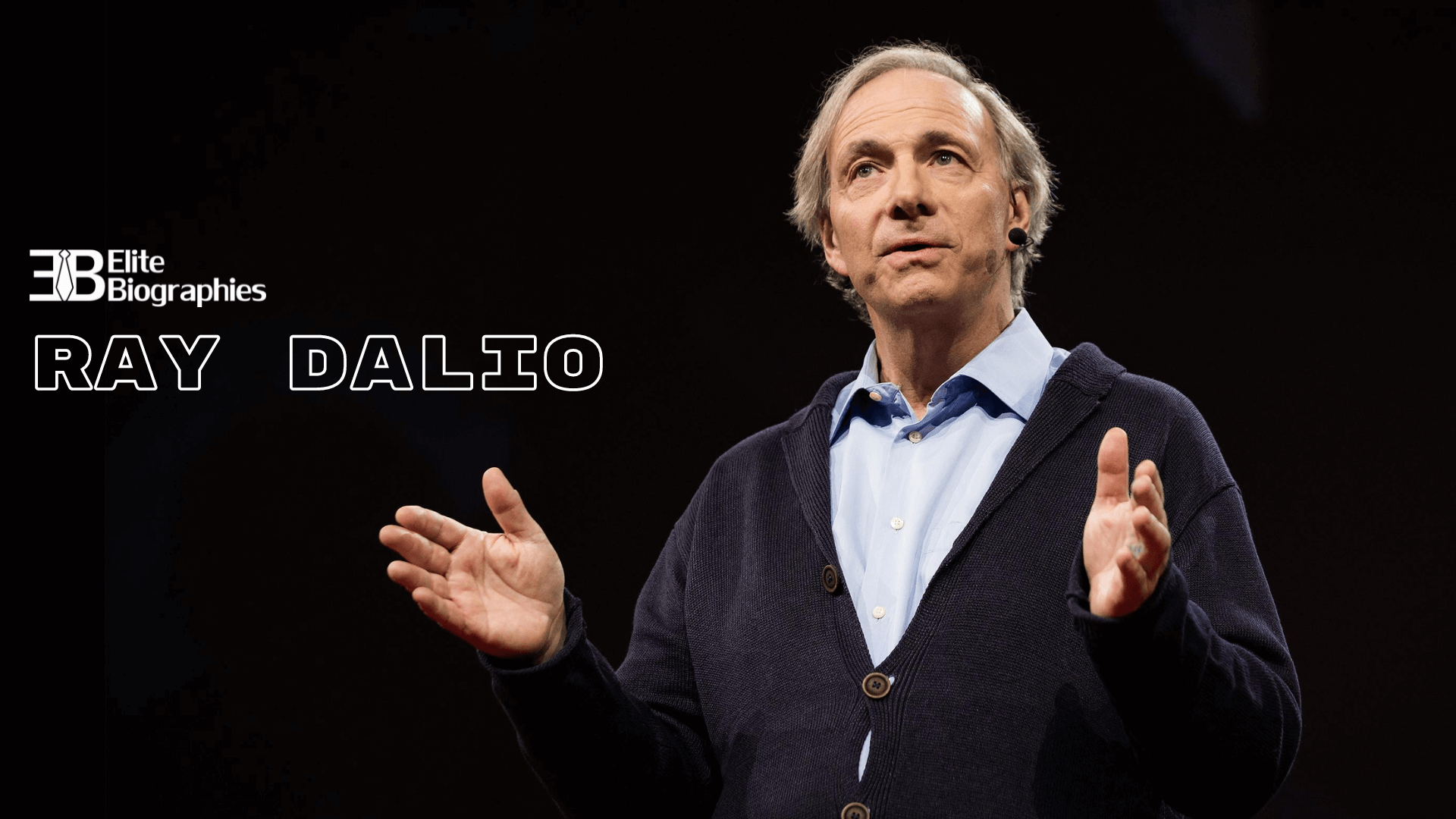
Ray Dalio, the founder of Bridgewater Associates, is a prominent figure in the finance world, known for his unique investment philosophies and principles. With a net worth estimated at over $18 billion, Dalio is not only one of the world’s wealthiest individuals but also a thought leader whose insights influence investors globally. Understanding his approach to investing and economics has become increasingly relevant, especially as markets continue to experience volatility and unpredictability.
Career and Contributions
Dalio founded Bridgewater Associates in 1975 from his apartment in New York City. Over the decades, he developed the company into the world’s largest hedge fund, managing around $150 billion in assets. His success can be attributed to his systematic approach to investing and his development of the “Pure Alpha” strategy, focusing on diversified investments and risk parity.
One of Dalio’s most significant contributions to the investing community is his book, “Principles: Life and Work,” published in 2017. In the book, Dalio outlines his principles for both work and life, centered on radical transparency and meritocracy. His philosophy has garnered a large following among business leaders and investors who seek to cultivate a culture of openness and continuous learning.
Current Perspectives
In recent months, Dalio has been vocal about various economic issues, including rising inflation, geopolitical tensions, and the changing global financial landscape. He warns that investors need to be prepared for significant market disruptions caused by shifts in fiscal policies and international relations. His advice encourages a balance between stock market investments and the ownership of tangible assets such as commodities and real estate.
Dalio also actively engages in discussions around economic theory and policy. He frequently shares his thoughts through blogs and social media, where he is not afraid to challenge conventional wisdom. His recognition of the importance of understanding historical economic cycles guides his investment decisions and informs his broader economic outlook.
Conclusion
Ray Dalio’s insights and methodologies continue to shape the investment landscape. As markets confront new challenges, his writings and strategies provide valuable guidance for both seasoned and novice investors. For readers and investors, keeping an eye on Dalio’s perspectives will be essential for navigating the complexities of modern finance. His commitment to transparency and understanding systemic risk will remain significant, fostering a more informed and resilient approach to investing in the future.