
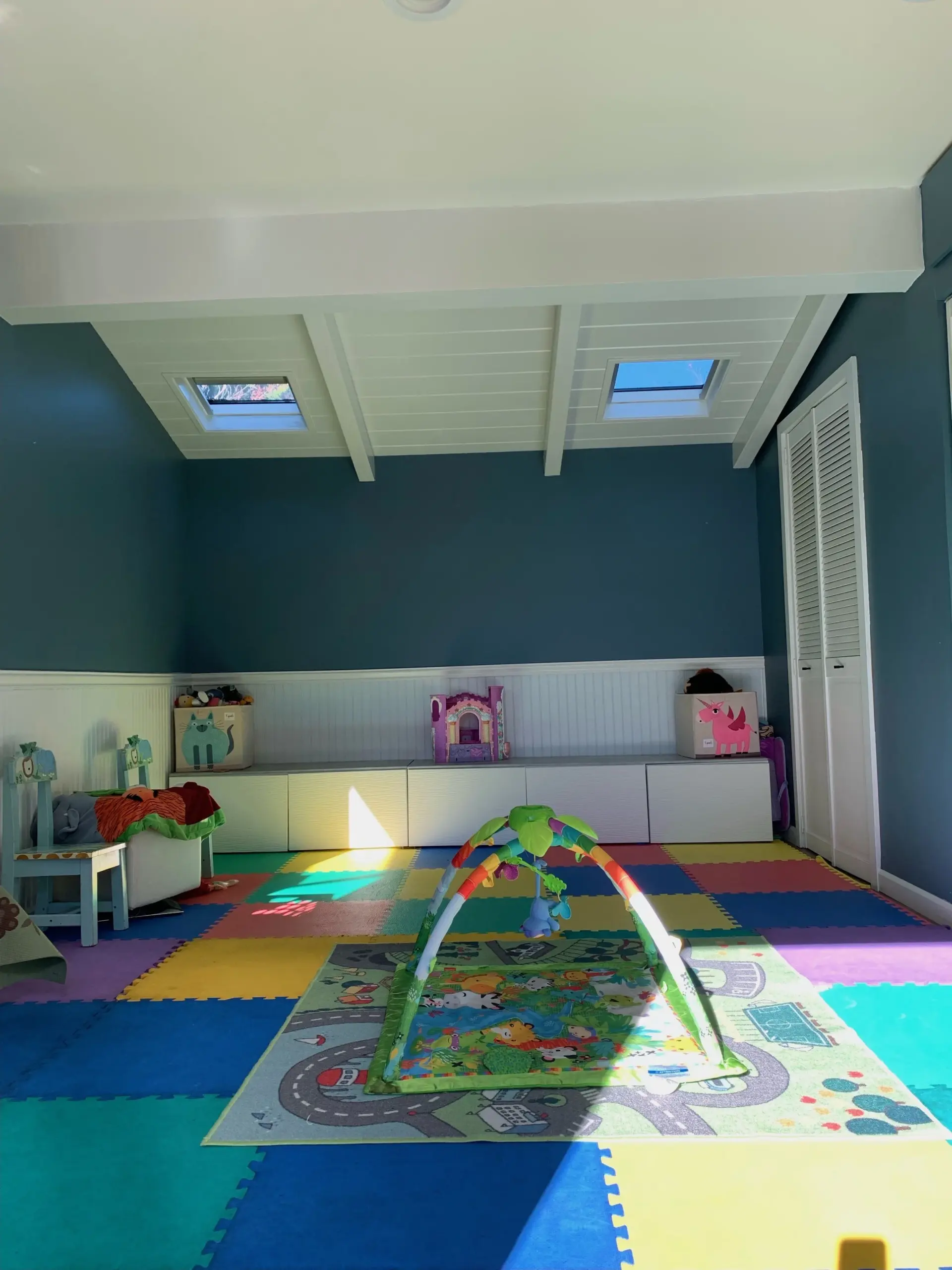
Introduction
Daycare plays a crucial role in early childhood development and is increasingly important for working families. With both parents frequently in the workforce, the need for quality daycare facilities has become paramount. This topic is not only relevant for parents but also for policymakers, educators, and child development experts, as it addresses the well-being of future generations.
The Role of Daycare in Child Development
Research indicates that quality daycare can have a significant positive impact on a child’s cognitive, social, and emotional development. According to a study from the National Institute of Child Health and Human Development, children who attend high-quality daycare programs show better language and social skills compared to those who do not. These programs often encourage interactive learning and provide a structured environment that fosters growth.
Current Trends and Statistics
As of 2023, approximately 60% of children under the age of five are enrolled in some form of daycare. The demand for daycare services has surged, particularly in urban areas where both parents are typically employed. Furthermore, the COVID-19 pandemic emphasized the importance of sustaining safe, healthy daycare environments. The CARES Act funded many daycare centers to enhance their facilities and provide COVID-19 training, ensuring increased safety for children and staff alike.
Challenges Facing Daycare Providers
Despite its importance, daycare providers face numerous challenges. Staffing shortages, rising costs of operation, and inconsistent regulations across states present ongoing difficulties. The pandemic has exacerbated these issues, with many centers closing or reducing enrollment capacity. Furthermore, the economic strain has led to increased tuition rates, making quality daycare less accessible for many families.
Conclusion
As society continues to recognize the importance of quality daycare, it is essential to focus on addressing these challenges. Investment in daycare programs not only benefits children but also supports families and the broader economy. Policymakers must prioritize funding and resources for these facilities, ensuring they can provide safe and nurturing environments that cater to the developmental needs of children. As we look to the future, the significance of quality daycare cannot be overstated—it is an investment in the foundation of our society.