
Introduction
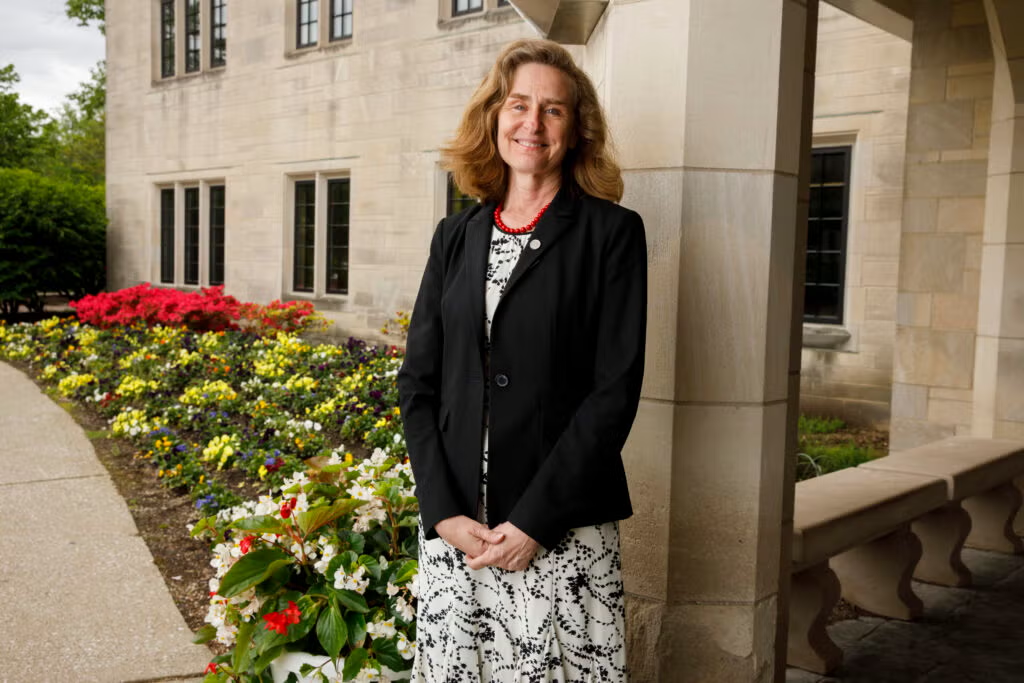
Pamela Whitten, a prominent figure in the realm of higher education, has recently been in the spotlight due to her leadership role and significant contributions to academic institutions. As a visionary leader, Whitten is at the forefront of discussions regarding policy changes, equity in education, and the future of university systems. Her strategies and initiatives are shaping the way universities adapt to challenges in today’s evolving educational landscape.
Current Role and Impact
Currently serving as the president of Indiana University, Whitten is known for her innovative approaches to enhancing educational access and promoting diversity in academia. Under her leadership, IU has rolled out numerous programs aimed at increasing student enrollment and retention, particularly among underrepresented groups. Recent enrollment data show a positive trend, with IU experiencing a 5% increase in diverse student enrollment compared to the previous year, reflecting the efficacy of her initiatives.
Advocacy and Leadership
Whitten’s advocacy extends beyond student enrollment. She has been a strong proponent for mental health resources on campuses, particularly as institutions navigate the effects of the COVID-19 pandemic on student well-being. In early 2023, she launched the “Wellness for All” initiative, which aims to provide comprehensive mental health support across campus and offers resources for students facing health challenges. This initiative has garnered national attention and serves as a model for other institutions to follow.
Conclusion
As Pamela Whitten continues to lead Indiana University and influence higher education policies nationwide, her efforts manifest a promising future where education is more accessible and equitable. Her strategic initiatives are not only beneficial for students today but are also paving the way for future generations of learners. Observers note that Whitten’s approach may inspire similar leadership models across the country, making her a significant figure in shaping the future landscape of higher education.