
Introduction
Snow squalls are brief but intense snowstorms that can create hazardous conditions for both drivers and pedestrians. Understanding snow squalls is crucial, especially during the winter months, as they can lead to sudden reductions in visibility and dangerous road conditions. Recent weather patterns have shown an increase in the frequency of these snow squalls, making awareness and preparedness essential for safety.
Characteristics of Snow Squalls
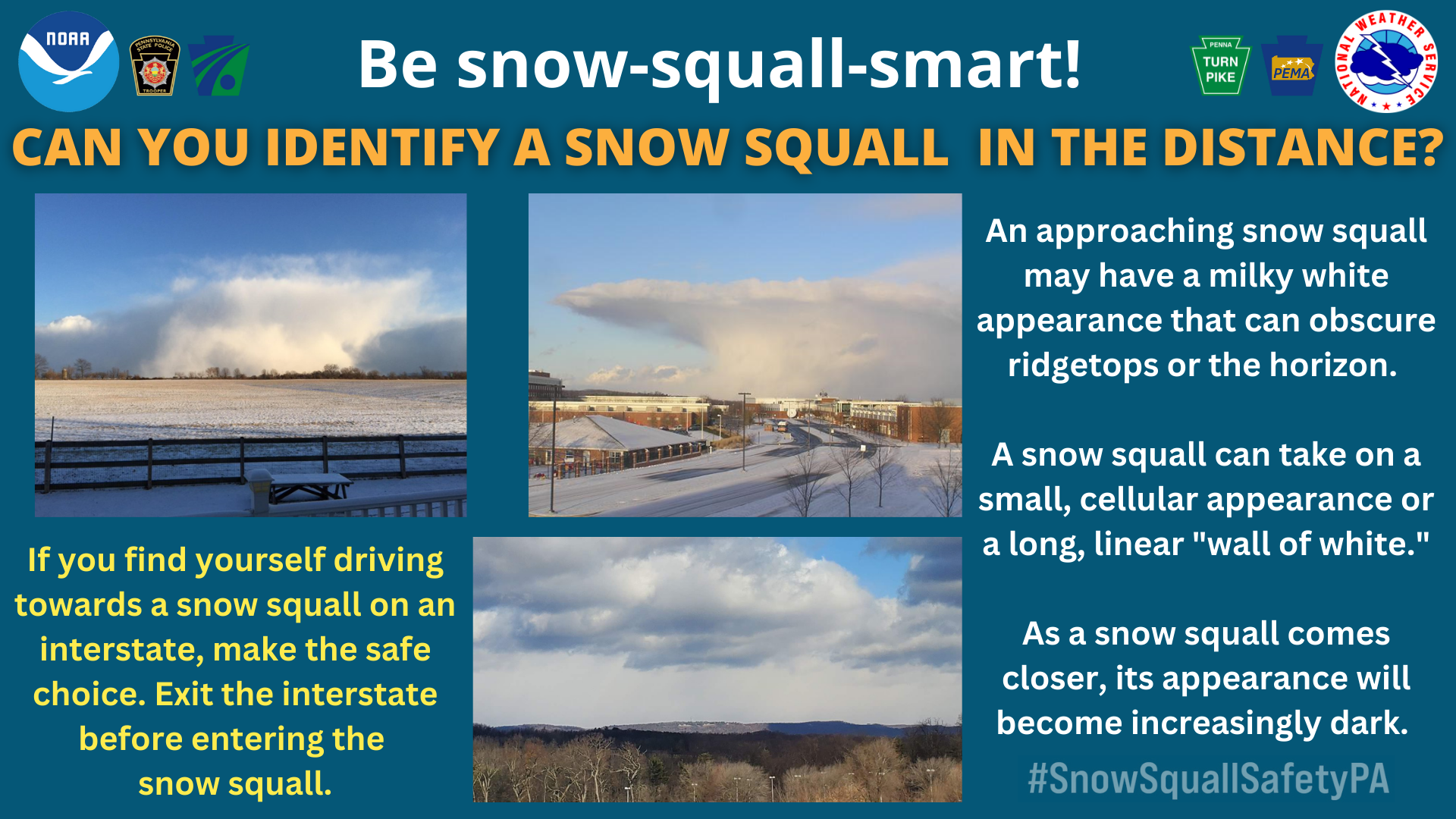
Snow squalls are meteorological events characterized by strong winds, heavy snowfall, and a rapid drop in temperature. The National Weather Service (NWS) notes that these squalls can occur with little warning, sometimes resulting in zero visibility within minutes. Typically, a snow squall lasts for a short period, usually less than an hour, but the effects can be long-reaching, particularly on highways and urban areas.
Recent Events
This winter season, several regions across the northeastern United States have experienced severe snow squalls, leading to multiple car accidents and travel interruptions. In January 2023, a strong snow squall swept through Pennsylvania, causing multi-vehicle pileups and prompting officials to issue immediate advisories for drivers. Such incidents underline the urgent need for public awareness regarding worsening weather conditions.
Safety Tips
In light of recent snow squall occurrences, here are some essential safety tips:
- Stay Informed: Always check weather reports and warnings before heading out in winter.
- Preparation: Equip your vehicle with emergency supplies, including blankets, canned food, and a first-aid kit.
- Cautious Driving: Reduce your speed when driving in snow squall conditions and maintain a safe distance from other vehicles.
Conclusion
Snow squalls are a concerning aspect of winter weather that can have immediate and serious consequences. As winter storms become more unpredictable, it is essential for individuals and communities to stay informed and prepared. By understanding the characteristics of snow squalls and taking necessary precautions, we can better protect ourselves and others from their potentially dangerous impacts.