
Introduction
The sounds from a doggy daycare have recently become a focal point of discourse among pet owners and animal behaviorists alike. These jovial sounds—barking, panting, and playful growls—are essential indicators of a dog’s well-being and socialization skills. Understanding these sounds not only enhances the daycare experience for dogs but also provides insights into the emotional states of our pets, making it a relevant topic for all pet owners.
The Sounds of Joy
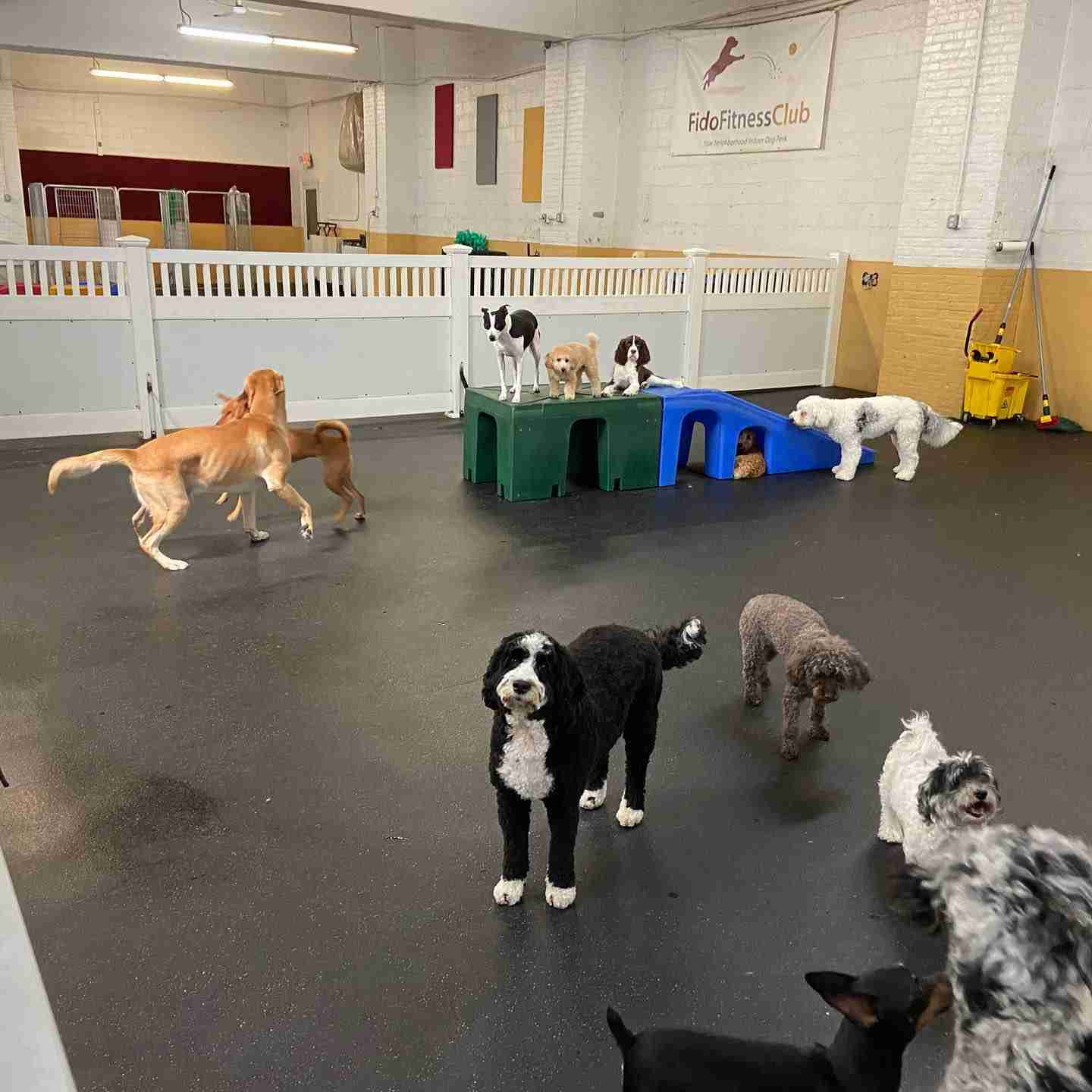
At a typical doggy daycare, the auditory landscape is filled with a symphony of canine communication. Recent studies have shown that a certain amount of barking and playful noise is beneficial for dogs. According to Pet360, being around other dogs promotes mental stimulation and reduces anxiety, leading to happier and healthier pets. Doggy daycares across the United States are utilizing these sounds as a measure of happiness; facilities now emphasize the importance of multiple play areas to encourage social interactions and playful sounds among dogs.
Enhanced Social Skills
Sounding cheerful is not just about happiness; it can reflect a dog’s ability to adapt to social settings. Experts from the American Kennel Club emphasize that dogs who frequently interact in daycare settings learn the nuances of canine communication, which includes sounds and body language. Enhanced social skills consequently result in more well-adjusted pets that can play nicely with both dogs and people—a boon for every pet owner.
Impacts on Owners
The importance of these sounds extends to dog owners, who often find comfort in knowing their pets are engaged and happy while they are away. Many daycare facilities are now offering live audio streams or pre-recorded soundscapes to reassure owners that their furry friends are thriving. These initiatives not only alleviate anxiety for pet owners but also lead to increased loyalty towards daycare services.
Conclusion
As the doggy daycare trend continues to rise in popularity, the sounds from these facilities are emerging as a significant aspect of canine care and socialization. Future studies will likely focus on how these sound patterns affect dogs’ psychological health, further reinforcing the need for structured play environments. For pet owners, understanding and appreciating these sounds can lead to better choices regarding their dog’s daycare needs, ultimately contributing to a happier, healthier dog.