
Introduction to Dagestan
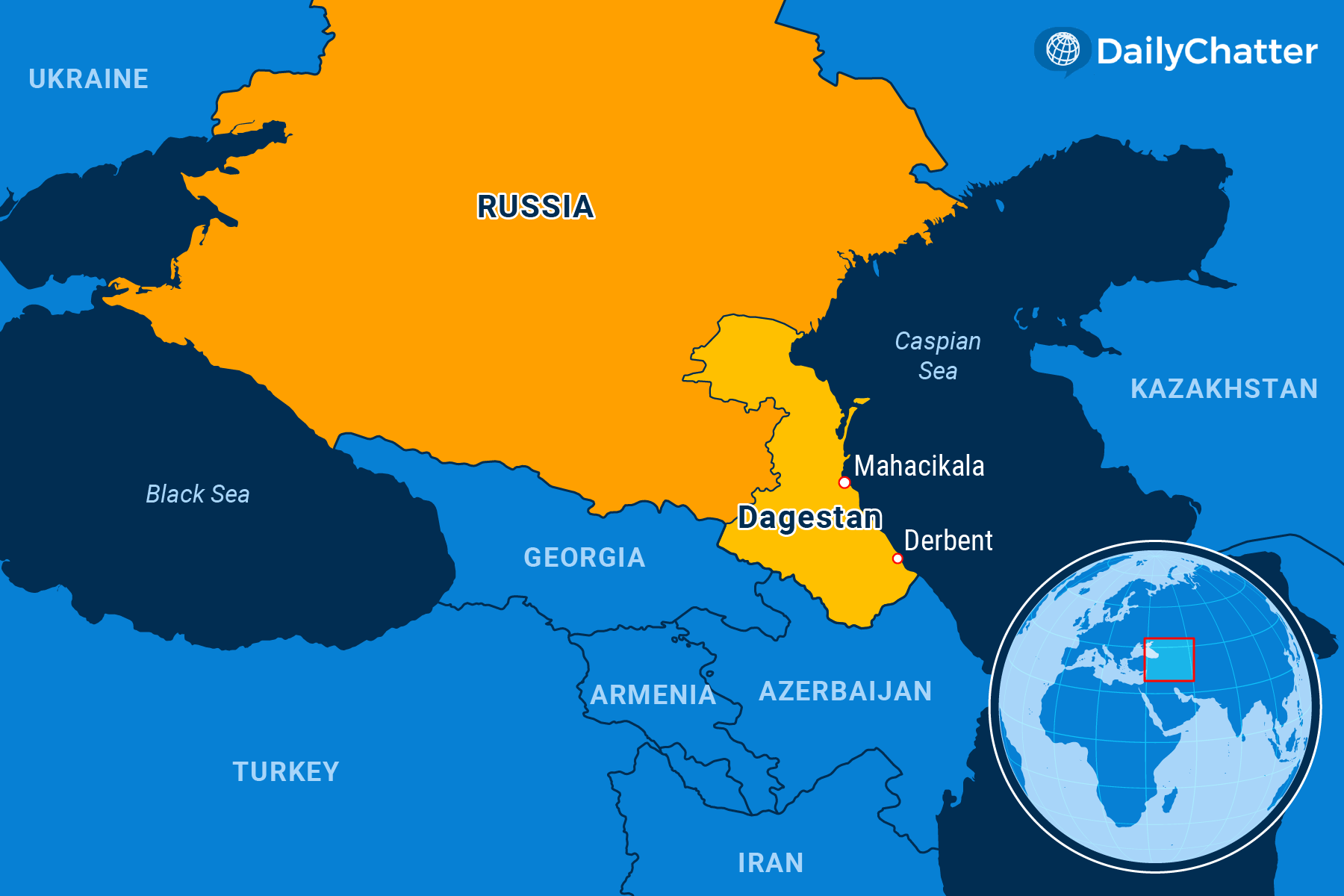
Dagestan, a mountainous republic in the North Caucasus region of Russia, is known for its diverse culture, rich history, and stunning landscapes. As one of the largest republics in Russia, Dagestan has been a focal point for various socio-political issues, making its current events relevant for understanding the broader dynamics within the region.
Geography and Culture
Located along the Caspian Sea, Dagestan is surrounded by the Caucasus Mountains, which significantly influence both its climate and lifestyle. The republic’s rugged terrain has fostered a diverse array of ethnic groups, including Avars, Dargins, Kumyks, and Lezgins, each with their own languages and traditions. This cultural mosaic contributes to Dagestan’s vibrant heritage, symbolized through traditional music, crafts, and culinary offerings that are unique to the region.
Current Events
In recent months, Dagestan has gained media attention due to a surge in clashes between local authorities and various militant groups. Experts believe that increased radicalization, alongside economic difficulties, is contributing to unrest. In response to these challenges, regional leaders have initiated programs aimed at improving living conditions and offering educational opportunities to young people, aiming to counteract the appeal of militant ideologies.
Moreover, Dagestan is also pivotal for discussions on national security in Russia. The federal government has been closely monitoring the region as part of its broader strategy to ensure stability in the Northern Caucasus, which has historically been susceptible to extremism and separatist movements.
Conclusion
Understanding Dagestan is crucial for comprehending the complex interplay of culture, geography, and socio-political dynamics in the North Caucasus. As Dagestan navigates its challenges, there is significant potential for growth through reforms and the support of civil society initiatives. The region’s ability to foster peace and stability will not only impact its residents but could also serve as a model for neighboring areas grappling with similar issues. Readers interest in international relations, geopolitics, or cultural studies will find Dagestan a noteworthy case study in resilience and diversity.