
Introduction
The Hmong community, known for their rich cultural heritage and resilience, has become increasingly prominent in the United States. As a group with deep-rooted traditions and unique experiences, the Hmong people reflect a complex history of migration, war, and adaptation. Understanding their journey is essential for fostering inclusivity and appreciation of cultural diversity in an increasingly multicultural society.
Background and Migration
The Hmong are an ethnic group originally from the mountainous regions of China, Laos, Vietnam, and Thailand. They played a significant role during the Vietnam War, aligning with American forces against communism. After the war, many Hmong faced persecution, prompting a mass migration to the United States during the late 1970s and 1980s. Today, over 300,000 Hmong individuals reside in the U.S., primarily in regions such as Minnesota, California, and Wisconsin.
Cultural Identity
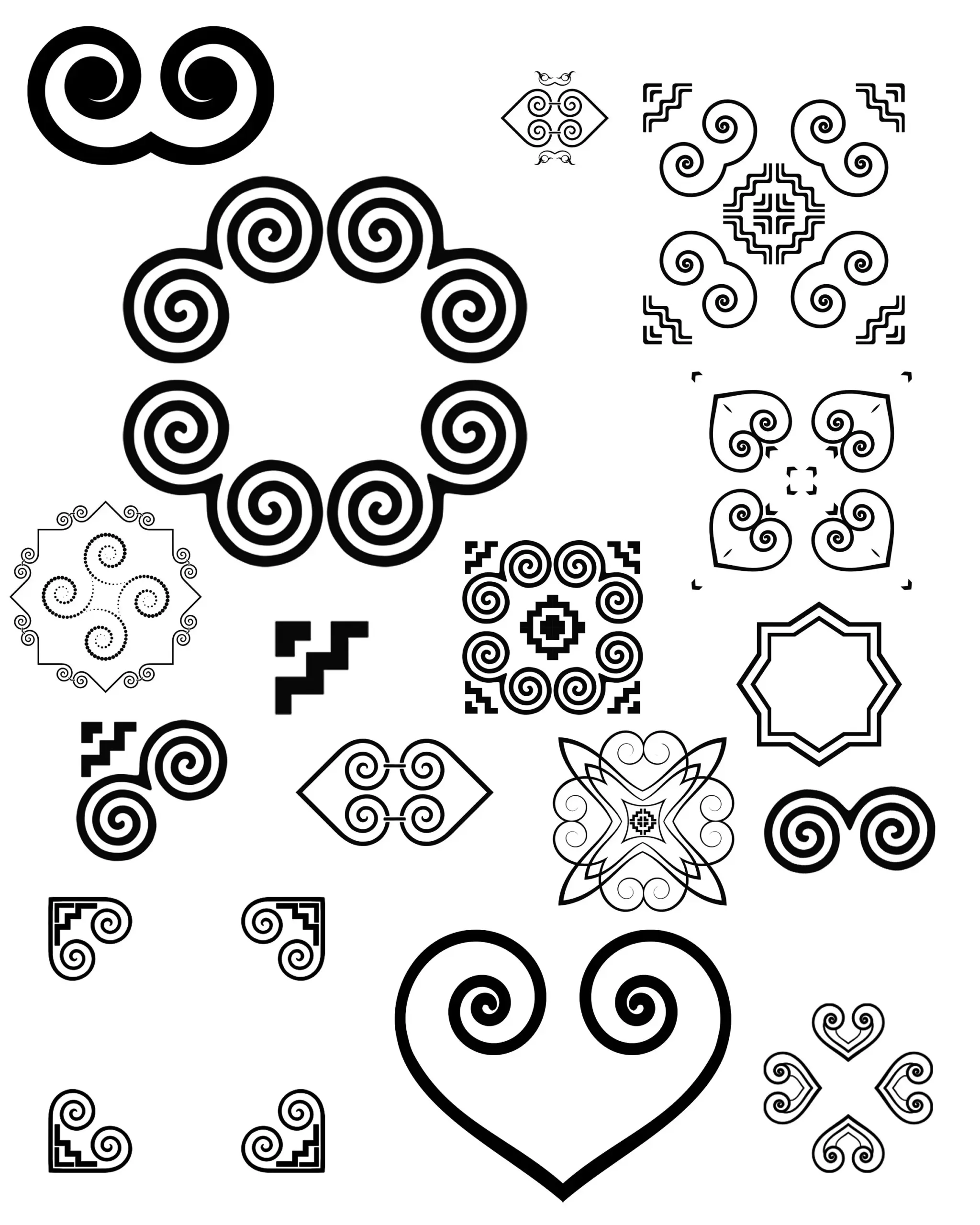
The Hmong community is characterized by its strong emphasis on family, farming, and traditional practices. Their rich cultural heritage is expressed through vibrant textiles, intricate embroideries, and seasonal celebrations like the Hmong New Year. Language plays a crucial role in their identity; many Hmong people speak Hmong, a language that has multiple dialects. Efforts to preserve their language and traditions among younger generations are ongoing, as integration into American society presents both challenges and opportunities.
Recent Developments
In recent years, the Hmong community has made notable contributions to various sectors in the U.S. Education has become a priority, with increasing numbers of Hmong students entering higher education. However, challenges remain, such as addressing economic disparities and health issues within the community. Notably, organizations dedicated to advocating for the Hmong population have emerged, providing resources and support for a range of issues including health care, education, and immigrant rights.
Conclusion
The Hmong community’s story in the United States reflects both a struggle for survival and a celebration of cultural identity. As the community continues to grow and adapt, there is a significant opportunity for greater understanding and support from the general public. Building connections and fostering dialogue about the Hmong experience is vital for enriching America’s multicultural tapestry, creating a more inclusive society for all. As we move forward, it is essential to recognize and celebrate the contributions of the Hmong, ensuring their legacy is honored for generations to come.