
Introduction
Benin, a small West African nation nestled between Togo and Nigeria, is a country with a rich and vibrant cultural heritage. Known for its ancient kingdoms, diverse ethnic groups, and historical significance, it plays a crucial role in understanding the heritage of Africa. Benin is also famously the birthplace of Vodun (Voodoo), an indigenous belief system that has gained recognition worldwide. With a history that intertwines with the transatlantic slave trade and colonialism, understanding Benin’s past is vital for appreciating its influence on African and diaspora cultures today.
Key Historical Events
Benin was once the center of the powerful Kingdom of Dahomey, established in the 17th century. This kingdom was known for its military prowess and extensive trade networks, including the slave trade, which dramatically impacted its development. In the late 19th century, Dahomey fell under French colonial rule, which lasted until Benin gained independence in 1960. Since then, the country has experienced political instability but has made significant strides toward democracy and development in recent years.
Cultural Significance
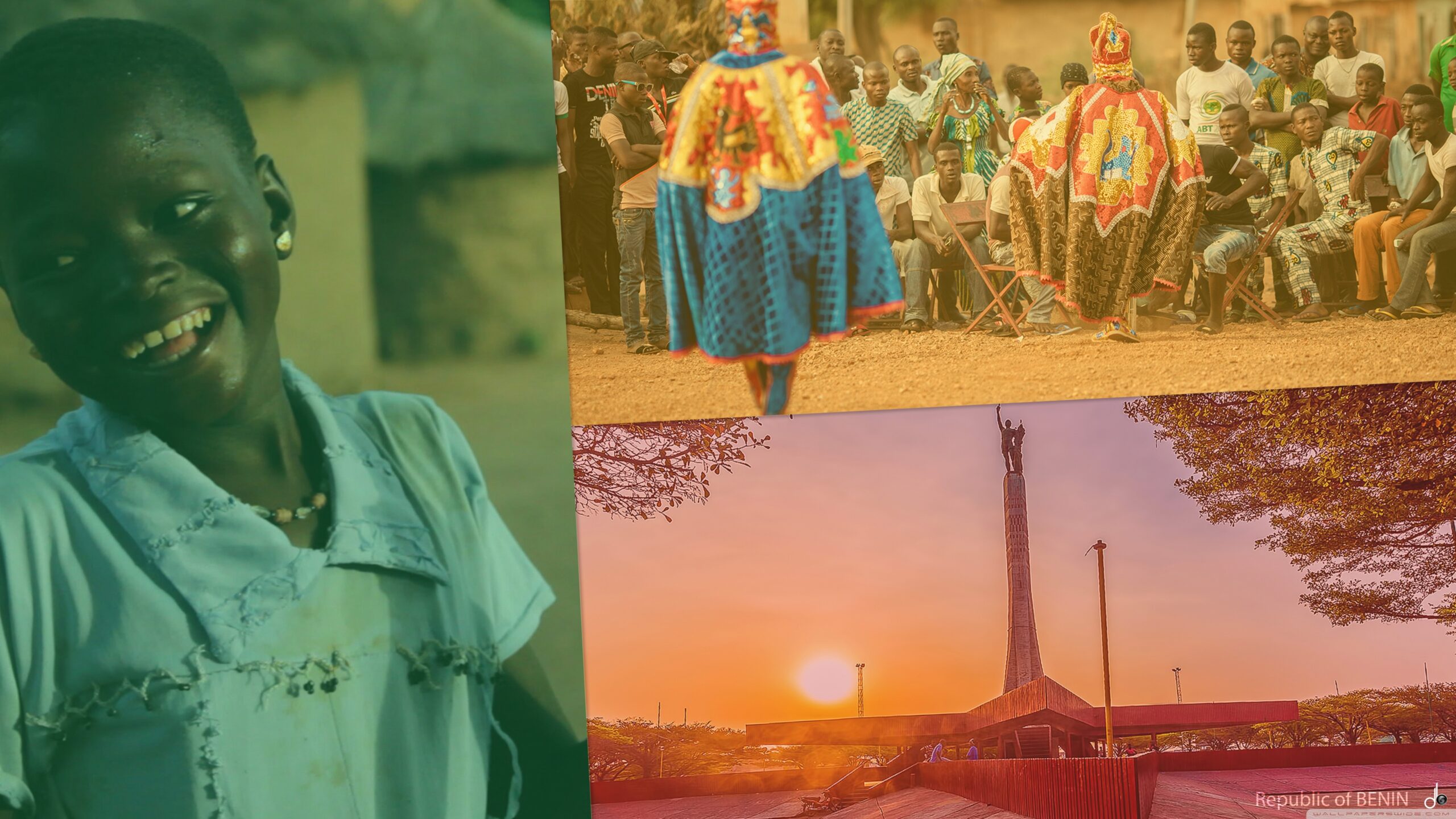
The culture of Benin is a remarkable blend of old traditions and contemporary influences. The country’s artistic expression is evident in its handicrafts, textiles, and intricate bronze sculptures that trace back to the Kingdom of Benin. Annual festivals, such as the Voodoo Festival in Ouidah, draw both local and international visitors, showcasing colorful ceremonies and rituals that honor ancestral spirits. Furthermore, the nation’s commitment to preserving its cultural heritage is highlighted by the UNESCO World Heritage sites, including the historic city of Abomey, which showcases the grandeur of the ancient kingdom.
Modern Day Benin
Today, Benin is making headlines for its strides in economic reform and tourism development. The government is focused on diversifying its economy, moving away from dependence on agriculture and cotton production to sectors such as tourism and services. With beautiful coastlines, vibrant markets, and rich cultural experiences, Benin is positioning itself as an emerging tourist destination in Africa, attracting visitors interested in exploring its rich history and culture.
Conclusion
Benin stands as a testament to the resilience and richness of African culture. As the country continues to develop and embrace its heritage, it is essential for the global community to engage with and appreciate its contributions to world history and culture. For travelers, historians, and those interested in cultural studies, Benin offers a unique opportunity to explore the depths of Africa’s past and present, making it a significant country worth learning about and visiting.