
Introduction to Measles
Measles is a highly contagious viral disease that has seen a resurgence in recent years, raising public health concerns globally. Understanding measles symptoms is crucial for early identification and prevention of outbreaks. With factors such as vaccine hesitancy and international travel contributing to its spread, being informed about the symptoms can aid in protection and response.
Common Symptoms of Measles
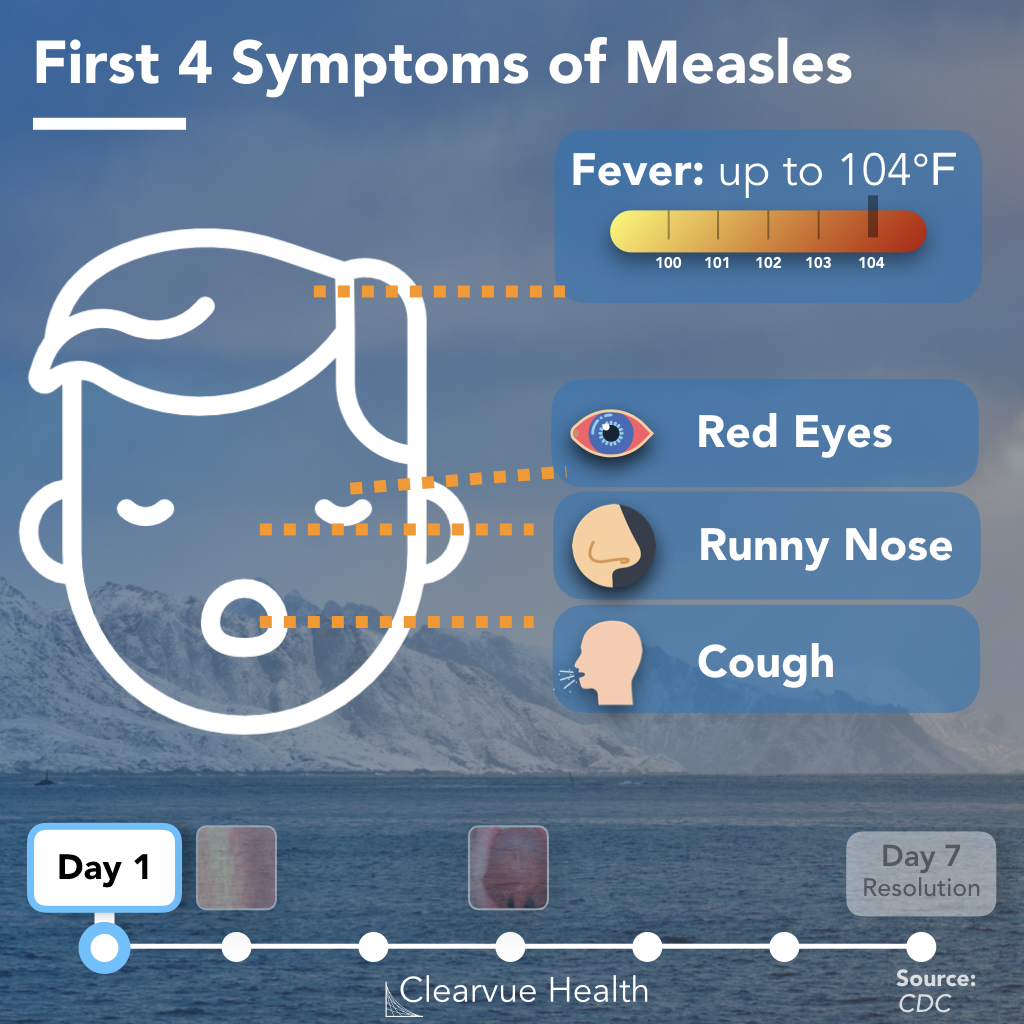
Measles symptoms typically emerge 10 to 12 days after exposure to the virus. The initial symptoms are often flu-like and can include:
- High Fever: One of the first signs, usually rising to over 101°F (38.3°C).
- Cough: A dry cough often develops alongside other symptoms.
- Runny Nose: Nasal congestion and rhinorrhea can occur.
- Red Eyes: Conjunctivitis is common, leading to red, watery eyes.
Distinctive Rash
After a few days, the characteristic rash appears. Starting with flat red spots, it typically starts at the hairline and spreads to the face and neck before reaching the rest of the body. The rash usually lasts about a week and may fade in stages.
Complications of Measles
Measles can lead to serious complications, especially in young children and those with weakened immune systems. Potential complications include:
- Pneumonia: A severe lung infection that can be life-threatening.
- Encephalitis: Inflammation of the brain occurs in about 1 in 1,000 cases.
- Diarrhea and Ear Infections: These conditions are more common in children.
Conclusion
Recognizing measles symptoms is vital for timely medical intervention and outbreak control. Vaccination remains the most effective means of preventing measles, and public health campaigns emphasize its importance, especially among communities with low vaccination rates. As measles continues to pose a threat, staying informed allows individuals and families to protect themselves and others. If you suspect measles exposure or symptoms, seek medical advice promptly to help prevent further spread.