
Introduction
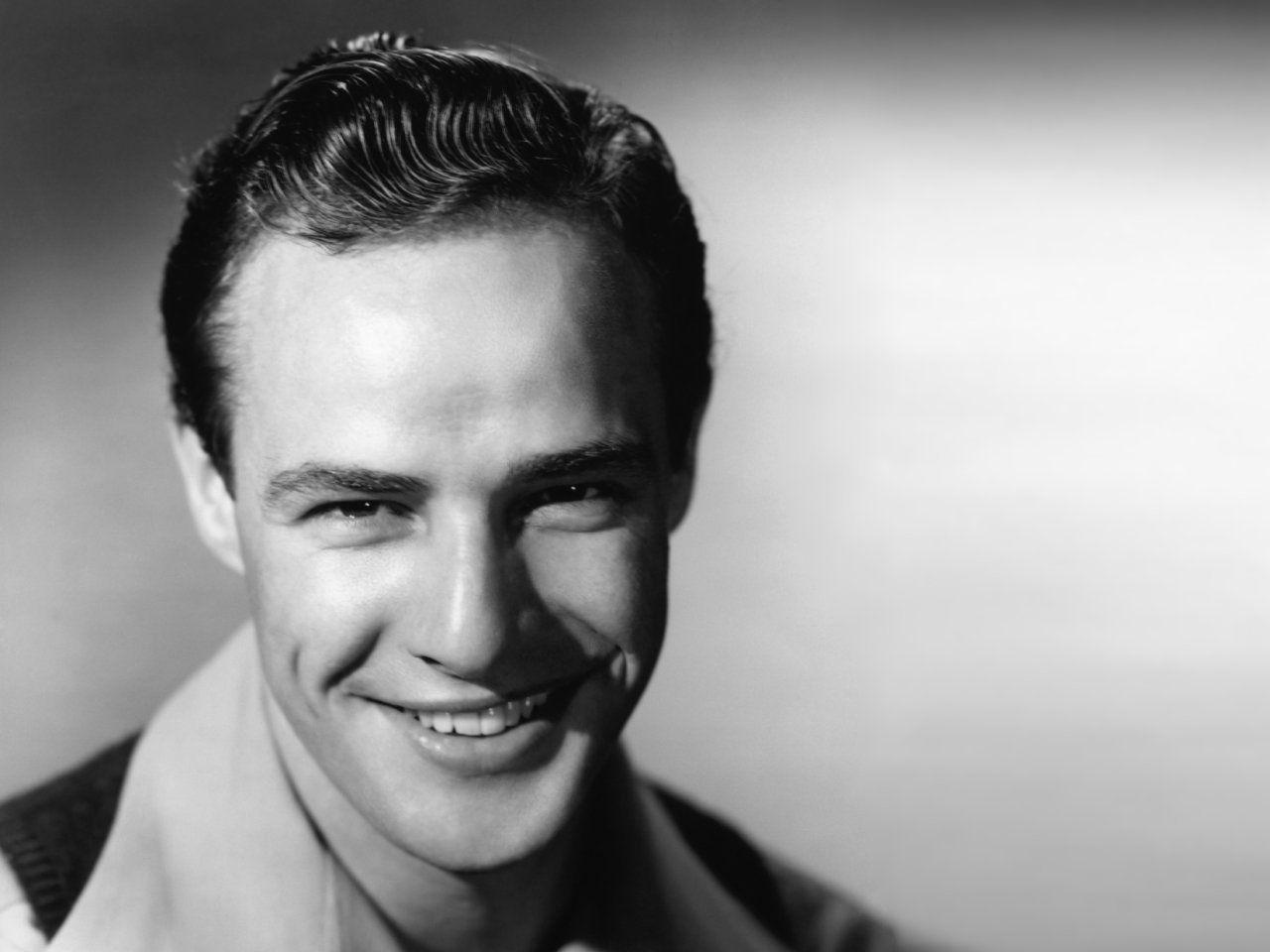
Marlon Brando, widely regarded as one of the most influential actors in the history of cinema, revolutionized the art of acting and left an indelible mark on film and culture. His groundbreaking performances redefined methods of character portrayal, cementing his legacy in the film industry and influencing generations of actors. As we reflect on his impact, it’s essential to examine the key moments and contributions that he made throughout his illustrious career.
Career Highlights
Brando first rose to prominence with his role in the 1947 Broadway production of “A Streetcar Named Desire,” leading to his iconic performance in the film adaptation directed by Elia Kazan in 1951. His portrayal of Stanley Kowalski showcased a raw emotional depth that brought authenticity to the screen. This performance marked the beginning of a series of critically acclaimed roles, including his unforgettable portrayal of Vito Corleone in Francis Ford Coppola’s “The Godfather” (1972), for which Brando won his second Academy Award.
His ability to convey complex emotions through subtle expressions and body language was groundbreaking, helping to usher in the method acting technique that would dominate Hollywood. This approach to performance encouraged actors to delve deeply into their character’s psyche, making their portrayals more relatable and impactful. Brando’s influence is evident in the performances of countless actors today, including peers like Robert De Niro and contemporary stars like Joaquin Phoenix.
Personal Life and Activism
Beyond his film career, Brando was also known for his outspoken views on social issues, particularly regarding Native American rights and civil rights. His significant 1973 Oscars boycott, where he declined to accept the Best Actor award for “The Godfather” and sent a Native American activist in his place to protest discrimination, showcased his commitment to activism. This act of protest sparked conversations across media and Hollywood, emphasizing the power of celebrity in advocating for change.
Conclusion
Marlon Brando’s contributions to film and culture remain relevant long after his passing in 2004. His unique acting style and commitment to authenticity helped pave the way for future generations of artists. As cinema continues to evolve, the principles that Brando embodied—vulnerability, truthfulness, and social responsibility—remain crucial. Observing the way his performances and activism continue to inspire today’s actors and filmmakers serves as a testament to his unforgettable legacy in the world of art and culture.