
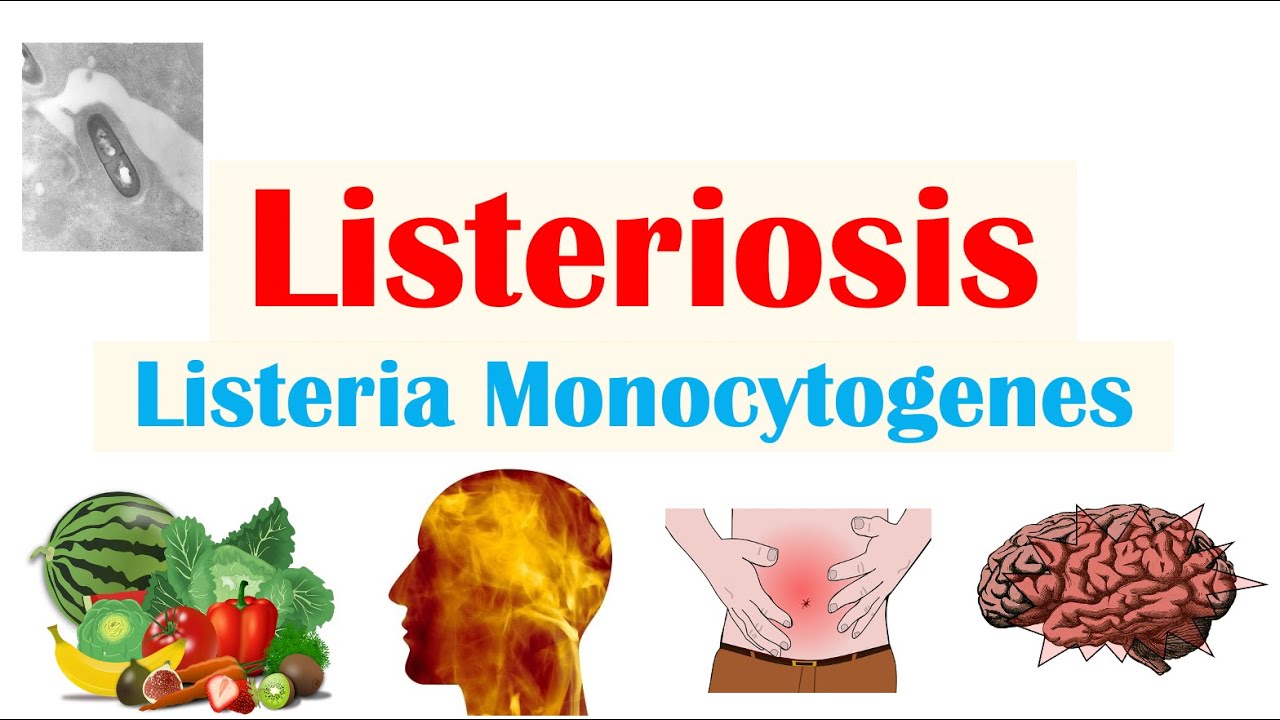
Introduction to Listeria
Listeria Monocytogenes is a foodborne bacterium that can cause severe illness in humans, particularly affecting vulnerable populations such as the elderly, pregnant women, and individuals with weakened immune systems. Recent outbreaks have highlighted the importance of understanding listeria, its sources, and preventative measures as food safety continues to be a critical public health issue.
Recent Outbreaks and Health Risks
In early 2023, the CDC reported an uptick in listeria cases linked to contaminated deli meats and cheeses, underscoring the need for heightened awareness and food safety protocols. Listeriosis, the infection caused by listeria, can lead to symptoms such as fever, muscle aches, and gastrointestinal distress. In severe cases, it may progress to more serious conditions, including meningitis or septicemia, especially in high-risk groups.
The Centers for Disease Control and Prevention (CDC) estimates that approximately 1,600 people get listeriosis each year in the United States, and about 260 die from the infection. This high fatality rate emphasizes the significance of immediate action when dealing with potential exposure.
Preventative Measures
To mitigate the risk of listeria infection, the CDC recommends several key practices:
- Proper Food Handling: Always wash hands, utensils, and surfaces before handling food.
- Safe Cooking Temperatures: Ensure foods, especially meats and seafood, are cooked to a safe internal temperature.
- Refrigeration: Keep the refrigerator at 40°F (4°C) or below, and consume leftovers promptly.
- Listeria-Contaminated Foods: Be cautious with ready-to-eat products such as deli meats and unpasteurized dairy products, particularly for vulnerable populations.
Conclusion and Future Outlook
As listeriosis cases continue to emerge, ongoing research and public health initiatives are critical to understanding and managing this foodborne illness. Increased awareness among consumers and effective food safety practices can help reduce the incidence of listeria infections. The FDA and USDA remain vigilant in their regulatory efforts to monitor food sources, emphasizing the importance of safe food production and handling across all sectors. Ultimately, public education on listeria’s risks and safe food practices remains essential for safeguarding community health.