
Introduction
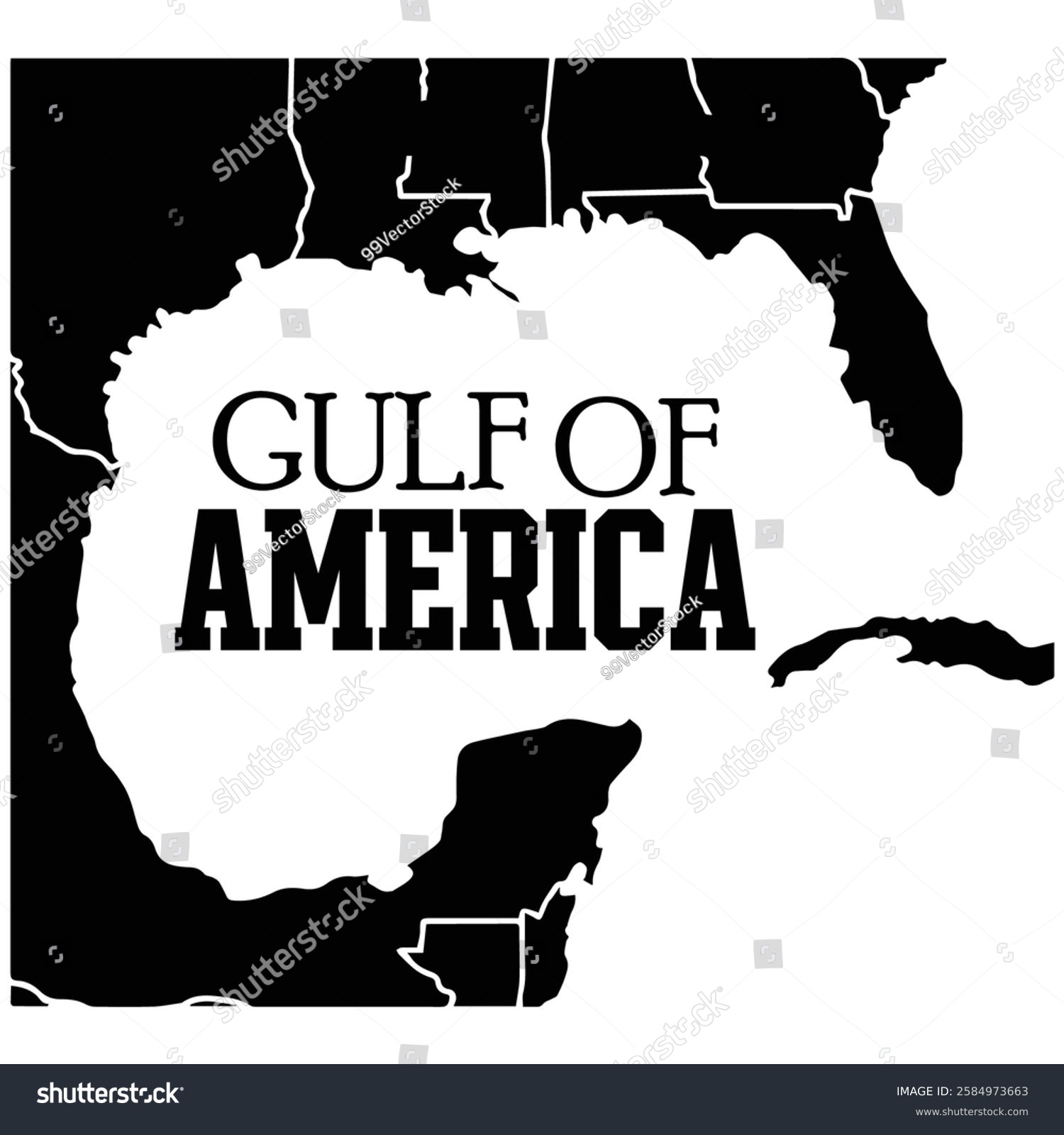
The Gulf of Mexico is a vital part of North America’s marine ecosystem and plays a crucial role in the economy of the surrounding states. Its waters support a diverse range of wildlife and are pivotal for industries such as fishing and tourism. Recent events have once again highlighted the importance of this region, particularly in terms of environmental stewardship and resource management.
Environmental Challenges
As of 2023, the Gulf of Mexico faces numerous environmental challenges, including the impacts of climate change, pollution, and habitat degradation. The region has seen a rise in harmful algal blooms, which can lead to significant fish kills and impact local economies reliant on fishing. Concerns over oil spills remain relevant, especially following the aftermath of the Deepwater Horizon disaster over a decade ago. This year, the National Oceanic and Atmospheric Administration (NOAA) reported an increase in oil spill incidents, prompting regulatory bodies to call for stricter safety measures for offshore drilling operations.
Efforts for Restoration
In light of these challenges, various state and federal initiatives have emerged to address environmental degradation. The Gulf of Mexico Alliance, a partnership of Gulf state governors, aims to enhance collaboration on coastal and ocean resource management. Recently, they have launched new programs focused on water quality improvement and wildlife habitat restoration. These programs emphasize the importance of preserving mangroves and wetlands, which serve as critical buffers against storms and protect biodiversity.
Community and Economic Impact
The Gulf economy relies heavily on tourism and fishing, both of which are threatened by environmental issues. In recent months, several coastal towns have invested in sustainable practices that emphasize eco-tourism, drawing visitors interested in wildlife and natural beauty while promoting conservation efforts. According to the Bureau of Economic Analysis, tourism in the Gulf region is projected to grow by 4% annually over the next five years, indicating a potential for economic recovery through responsible practices.
Conclusion
The Gulf of Mexico is not only a rich natural resource but also a vital economic engine for the communities that surround it. As we look to the future, enhanced environmental awareness and policy changes could help mitigate the challenges facing this critical region. Public engagement and support for sustainable practices will be essential in preserving the Gulf of Mexico for generations to come. Observers predict that if current restoration efforts succeed, the Gulf could see a significant recovery by 2030, setting a precedent for the management of other ecosystems across the country.