
Introduction
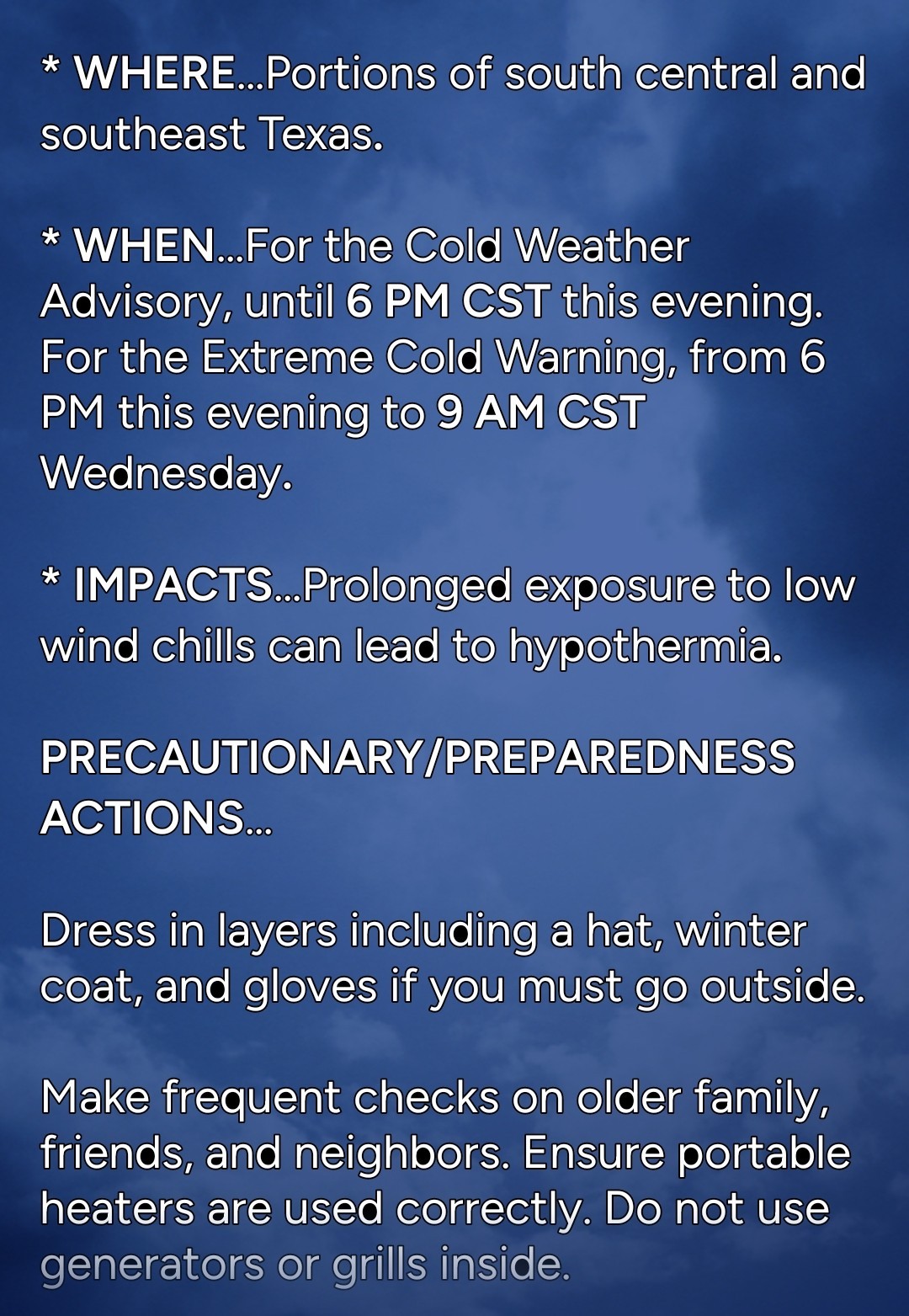
As temperatures plunge across various regions, the National Weather Service (NWS) has issued an extreme cold warning, emphasizing the critical need for awareness and preparedness. Such warnings are essential as they inform the public about dangerously low temperatures that can have serious health implications, including frostbite and hypothermia, especially for vulnerable populations. With winter conditions becoming increasingly severe, understanding and responding to these warnings is more important than ever.
Details of the Extreme Cold Warning
Recent forecasts indicate that parts of the Midwest and Northeast may experience temperatures dipping well below zero, accompanied by hazardous wind chills. According to the NWS, areas such as Minneapolis, Chicago, and Buffalo could face wind chills as low as -30°F to -50°F, creating an extremely dangerous environment not only for people but also for pets and livestock. The NWS advises individuals to limit outdoor activities, dress in layers, and ensure they have emergency supplies on hand.
Health Implications
Exposure to extreme cold can lead to severe health risks. The American Red Cross warns that hypothermia can occur even at temperatures above freezing if a person becomes chilled from rain, sweat, or submersion in cold water. Additionally, frostbite can happen in a matter of minutes on exposed skin. The warning serves as a reminder to ensure proper winter clothing is worn and to monitor friends and family, especially the elderly who may be at higher risk.
Community Responses
Communities are responding proactively to this extreme weather event. Many cities have set up warming centers to provide shelter for homeless individuals and those without adequate heating. In urban areas, local governments are urging residents to check on neighbors who may need assistance. Schools and businesses are also taking precautions, with many canceling or postponing activities to ensure safety.
Conclusion
The extreme cold warning is a critical alert that highlights the need for vigilance as winter intensifies. As frigid conditions loom, it is vital for residents to stay informed about the weather, heed warnings, and take necessary precautions. Looking ahead, meteorologists predict an uptick in severe winter weather events due to climate variability, making it crucial for communities to prepare for possible future incidents. The current warning serves not only as a wake-up call for immediate action but also as a reminder of the ongoing challenges faced by many during winter months.