
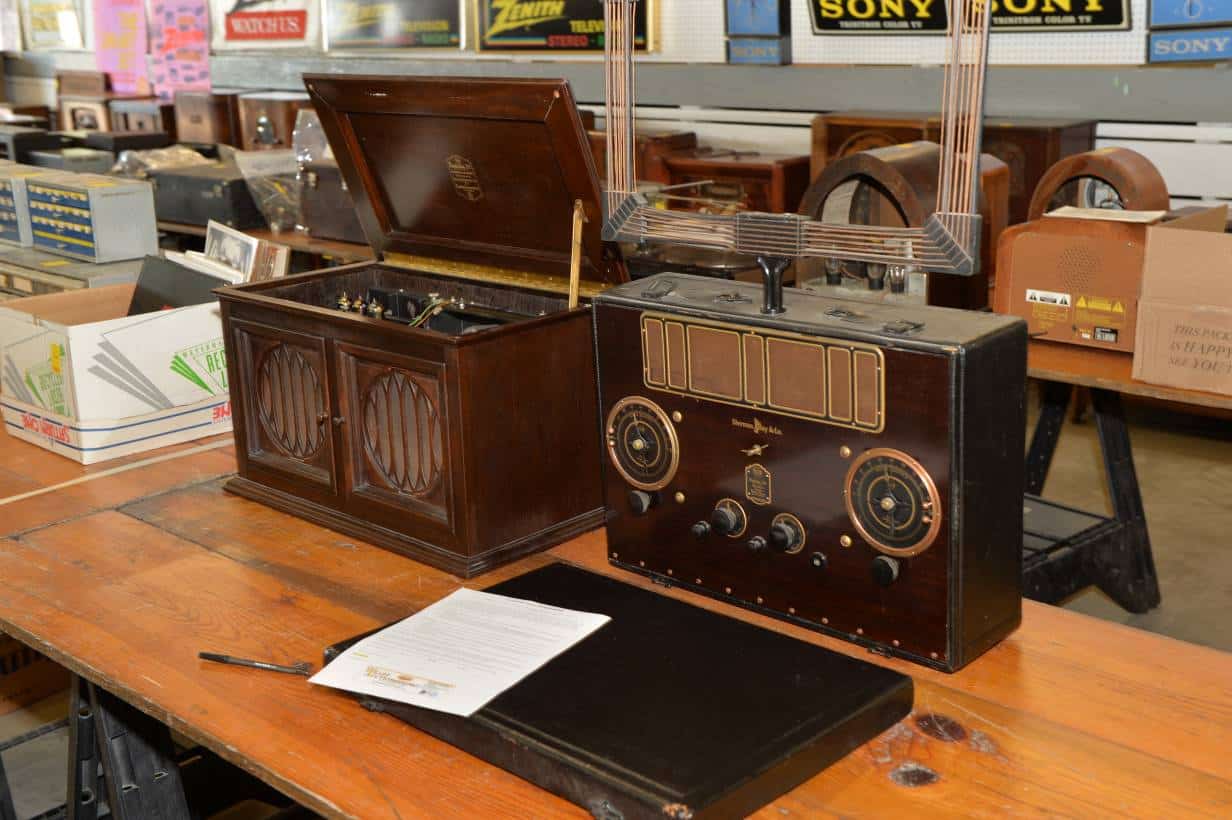
Introduction
Radio technology has been a cornerstone of communication since its inception in the late 19th century. As a medium that transcended geographical barriers, radio played a crucial role in shaping public opinion, disseminating information, and providing entertainment for decades. The relevance of radio today remains significant, especially in a world increasingly dominated by digital media.
The Birth of Radio Technology
The concept of radio communication began with the experiments of pioneers like Guglielmo Marconi, who successfully transmitted the first radio waves over long distances in the early 1900s. This breakthrough paved the way for commercial radio broadcasting, which emerged as a popular method for information sharing and entertainment in the 1920s and 1930s.
Radio’s Role in Society
Throughout the 20th century, radio became an essential source of information, particularly during times of crisis. Notably, during World War II, radio broadcasts provided crucial updates and entertainment to soldiers and civilians alike. The post-war era witnessed a golden age for radio, with households relying on it for news, music, and popular serials.
Modern Developments in Radio
In recent years, the evolution of radio has adapted to technological advancements. With the rise of the internet, traditional AM and FM radio have found new life through online streaming and podcasting. Services like Spotify and Apple Music offer curated playlists, while platforms such as iHeartRadio and TuneIn provide access to thousands of radio stations globally, making it easier than ever to find niche content.
The Future of Radio
Looking forward, radio is predicted to continue evolving. As Smart Speakers and mobile apps gain more traction, the integration of voice-activated commands is changing how listeners interact with their favorite stations and shows. Despite the growth of digital platforms, radio’s unique ability to create local communities and provide immediate updates remains irreplaceable.
Conclusion
In conclusion, radio technology has transformed significantly since its inception, reflecting societal changes and the advent of new technologies. Its capacity to adapt and remain relevant in an increasingly digital world demonstrates its enduring importance. For listeners, radio represents a source of connection, familiarity, and trusted information that will likely continue to thrive well into the future.