
Introduction
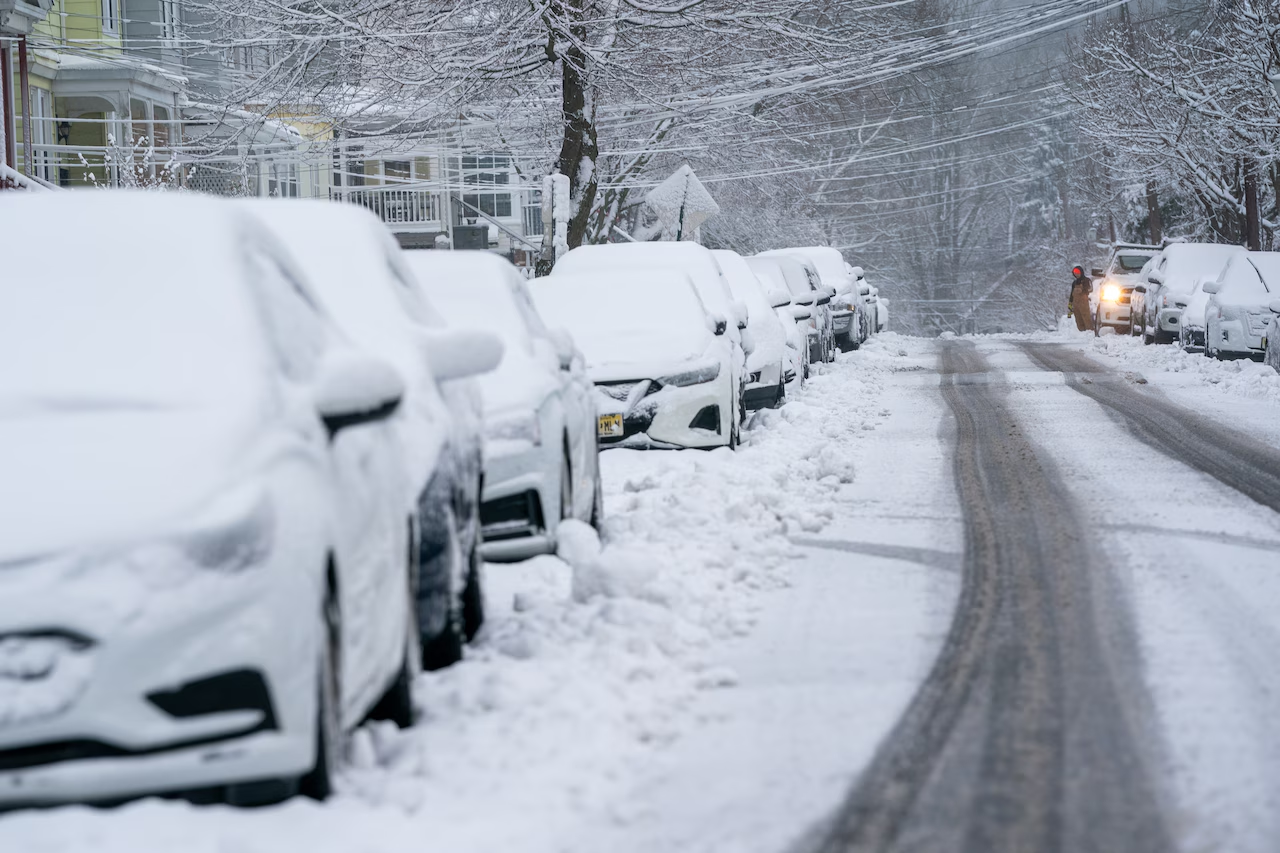
As the winter season continues to unfold, New Jersey is currently facing a severe snow storm that is causing major disruptions across the state. With forecasts predicting accumulations of up to a foot of snow in certain areas, this storm has significant implications for residents, commuters, and emergency services. Understanding the potential impacts of this storm is essential for preparedness and safety.
Storm Details and Impact
The National Weather Service has issued winter storm warnings and advisories for various regions in New Jersey, indicating that the storm began late last night and is expected to continue throughout today. Many areas are experiencing near-zero visibility and dangerous travel conditions, which have led to numerous traffic accidents and road closures.
In northern New Jersey, snowfall has reached as high as 10 inches in some communities, particularly in Morris and Sussex Counties. Southern regions are experiencing lighter accumulations; however, heavy winds and freezing temperatures have resulted in hazardous conditions.
Local authorities have been actively working to clear roads and assist residents. New Jersey Transit has reported delays and cancellations on multiple rail lines due to heavy snow and ice, further complicating the morning commute for thousands of travelers. Emergency management services are urging the public to avoid unnecessary travel and to stay indoors if possible.
Impacts on Daily Life
Businesses across the state are adjusting operations, with many opting to close or reduce hours due to the inclement weather. Schools have also been preemptively closed, with announcements made the day before to ensure student safety. This snow storm comes on the heels of several other weather events this winter, raising concerns about preparedness and infrastructure resilience as New Jersey grapples with increasingly severe winter weather patterns.
Conclusion
This current snow storm in New Jersey underscores the need for residents to stay informed about weather conditions and to prepare adequately for winter storms. As snow and potential ice continue to accumulate, it is crucial to remain vigilant and heed the advice of local authorities. Looking ahead, meteorologists warn that winter storms may become more frequent, and residents should prepare for potential disruptions as climate patterns shift. Keeping an emergency kit ready and having a plan in place can make a significant difference in safety during such challenging weather occurrences.