
Introduction
Red Bull has become synonymous with energy drinks across the globe since its introduction in 1987. With its iconic branding and bold marketing strategies, Red Bull has not only changed the way energizing beverages are perceived but has also created an entire lifestyle around the adrenaline-filled experiences associated with its brand. Understanding how Red Bull has reached this level of popularity gives insights into cultural trends and consumer behavior.
A Brief History
Founded by Dietrich Mateschitz and Chaleo Yoovidhya, Red Bull was inspired by a Thai drink called Krating Daeng. The duo adapted the formula and marketing strategy for Western audiences, launching Red Bull in Austria. The energy drink quickly gained a foothold in Europe and then expanded globally, leading to an impressive market share in the energy drink sector.
Recent Developments
In 2023, Red Bull continues to innovate and expand its product line. The company recently introduced new flavors and sugar-free variants to meet consumer demands for healthier options. Furthermore, a recent market report indicated that Red Bull captured over 40% of the energy drink market in the U.S., solidifying its position as a leader in a highly competitive industry.
Marketing Mastery
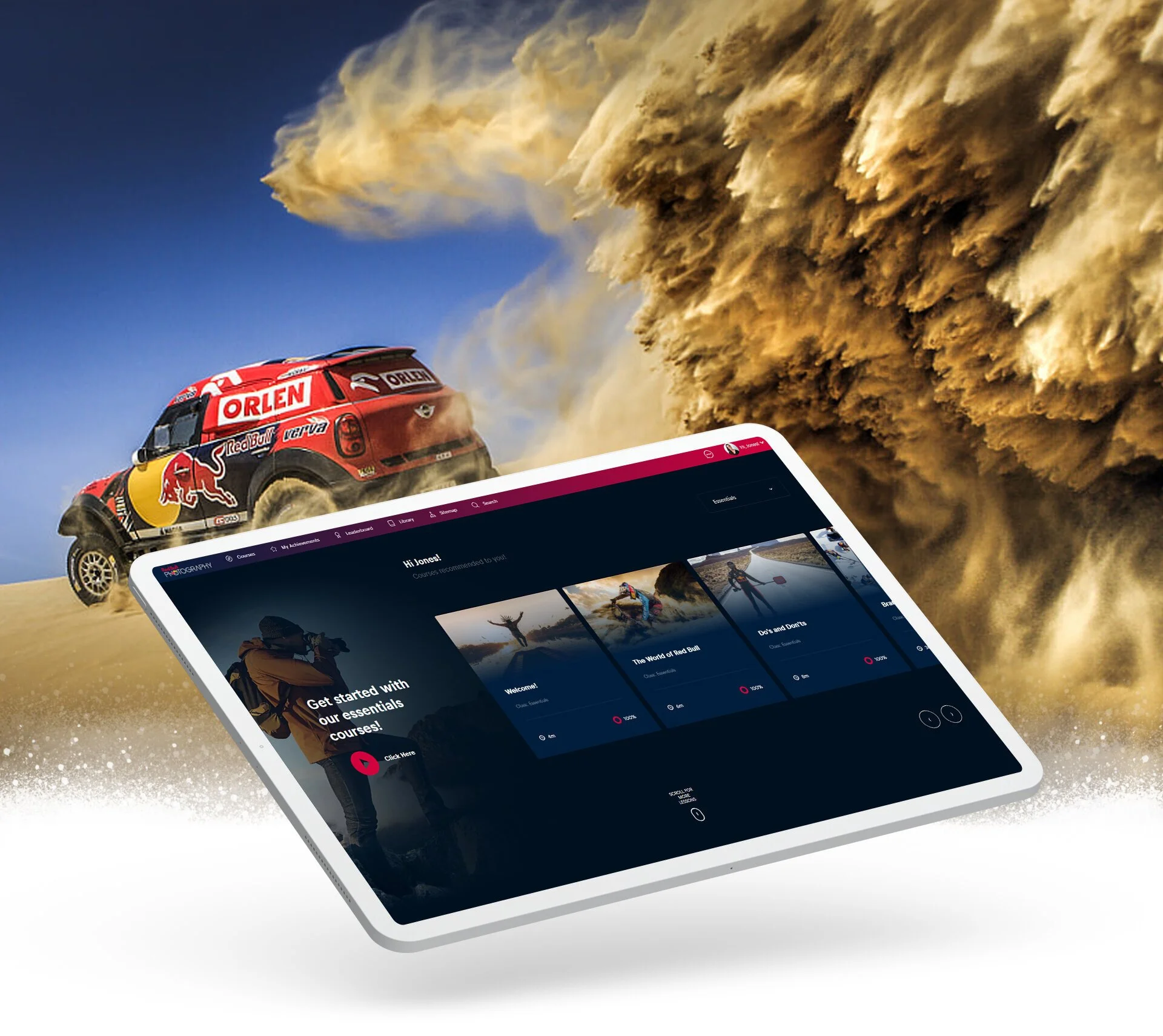
Red Bull is renowned for its unique marketing strategies, which have often blended sports, music, and extreme adventure. Its sponsorship of extreme sports events and athletes has created a strong brand association with an energetic and adventurous lifestyle. Notable events like the Red Bull Stratos project, in which Felix Baumgartner jumped from the stratosphere, captured global attention and exemplified the brand’s commitment to pushing boundaries.
Conclusion
As Red Bull continues to grow and evolve, its impact on the beverage industry and popular culture remains significant. The company’s focus on innovation, marketing, and product diversification highlights its ability to respond to changing consumer preferences. Looking forward, it will be interesting to see how Red Bull adapts to a market increasingly focused on health and wellness while maintaining its edgy image. For consumers, Red Bull is not just a drink; it represents a lifestyle aimed at fueling adventure and exploration.