
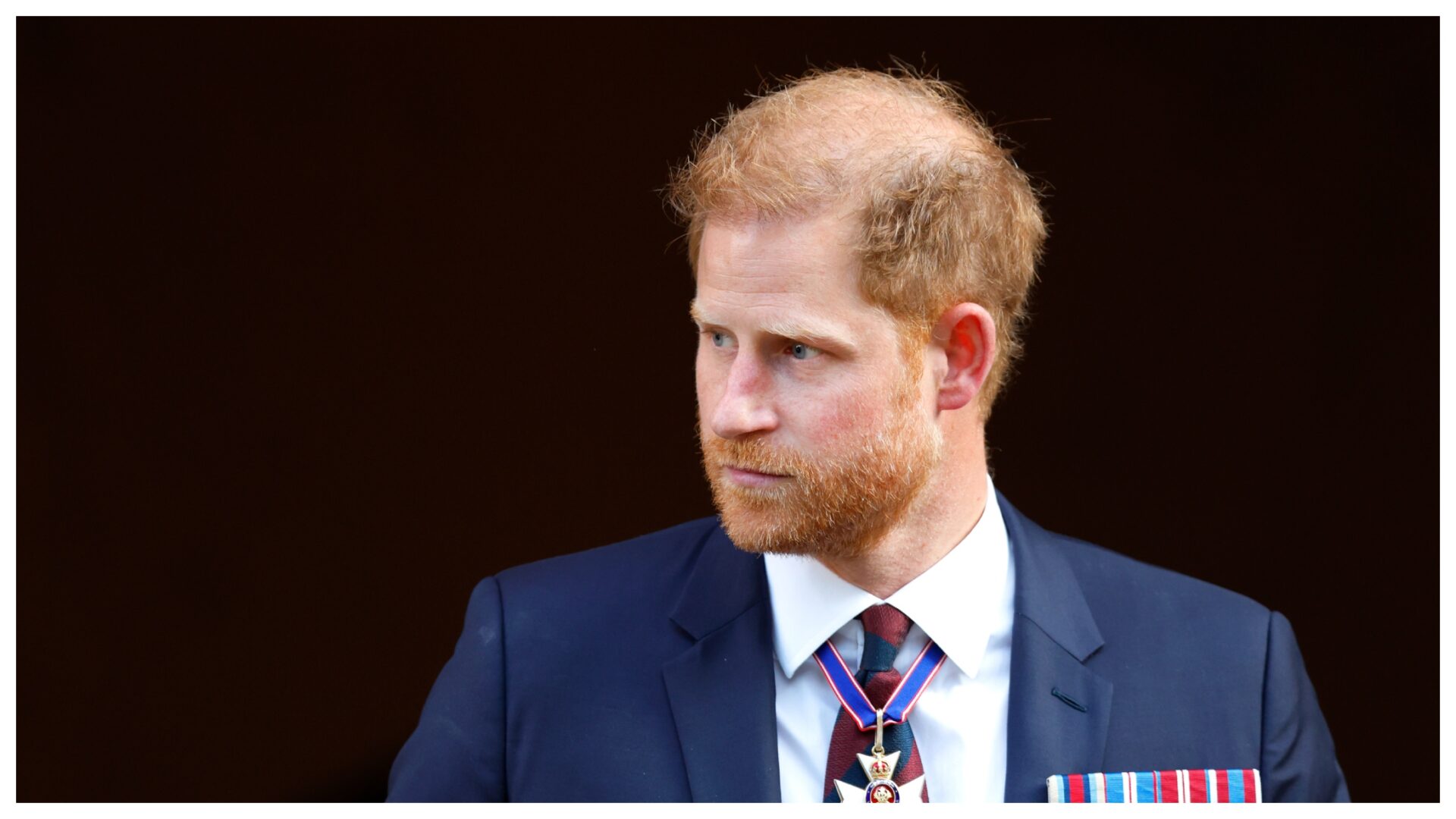
Introduction to Prince Harry
Prince Harry, the Duke of Sussex, continues to capture global attention as a prominent member of the British royal family. His evolving role in the public eye underscores the broader conversation about mental health, societal change, and the responsibilities of modern royalty. As he steps further away from royal duties, Harry’s impact on various social issues remains a focal point of discussion.
Recent Developments
In recent months, Prince Harry has been at the center of several notable events. Following his and Meghan Markle’s departure from royal responsibilities, the couple has launched various initiatives aimed at mental health awareness and gender equality. Their Archewell Foundation has been pivotal in these efforts, notably partnering with organizations that focus on psychological support and community welfare.
Harry’s candidness about his mental health struggles, particularly following the trauma of losing his mother, Princess Diana, has resonated with many. He appeared in several high-profile interviews and documentaries, where he discussed the importance of seeking help and the stigma associated with mental health issues. This openness has not only garnered support but has also prompted discussions on how the royal family can engage more authentically with contemporary issues.
Public Reception and Influence
Public perception of Prince Harry has shifted considerably. While initially viewed through the lens of traditional royalty, many now regard him as a vital figure advocating for change. Recent polls suggest that a significant portion of the public supports his initiatives, viewing him as a leader who challenges the status quo. His relationship with Meghan Markle, who has faced her own controversies, further complicates their standing within and outside the royal family.
Conclusion
As Prince Harry navigates his post-royal life, the implications of his actions will likely continue to ripple through social discourse. His commitment to issues like mental health and social justice positions him as a potential catalyst for change, moving away from the largely ceremonial role traditionally associated with royalty. While his journey is just beginning outside of the monarchy, one can forecast that his influence will persist and evolve, prompting further discussions on the royal family’s role in contemporary society.